Find answers to your most pressing questions about peptide categories and their usage.
What exactly are peptides?
Find answers to your most pressing questions about peptide categories and their usage.
What are the benefits?
Peptides can offer a range of benefits, including enhanced recovery, improved muscle growth, and better overall health. Each peptide has unique properties that target specific outcomes. Researching each peptide’s benefits can help you choose the right one.
What kinds of research are peptides used in?
Peptides are studied in a wide range of scientific fields including cell regeneration, metabolism, immune signaling, neurobiology, and mitochondrial health. Researchers often explore how specific peptides influence healing, hormone pathways, or cellular performance under various conditions.
Are certain peptides associated with recovery or repair studies?
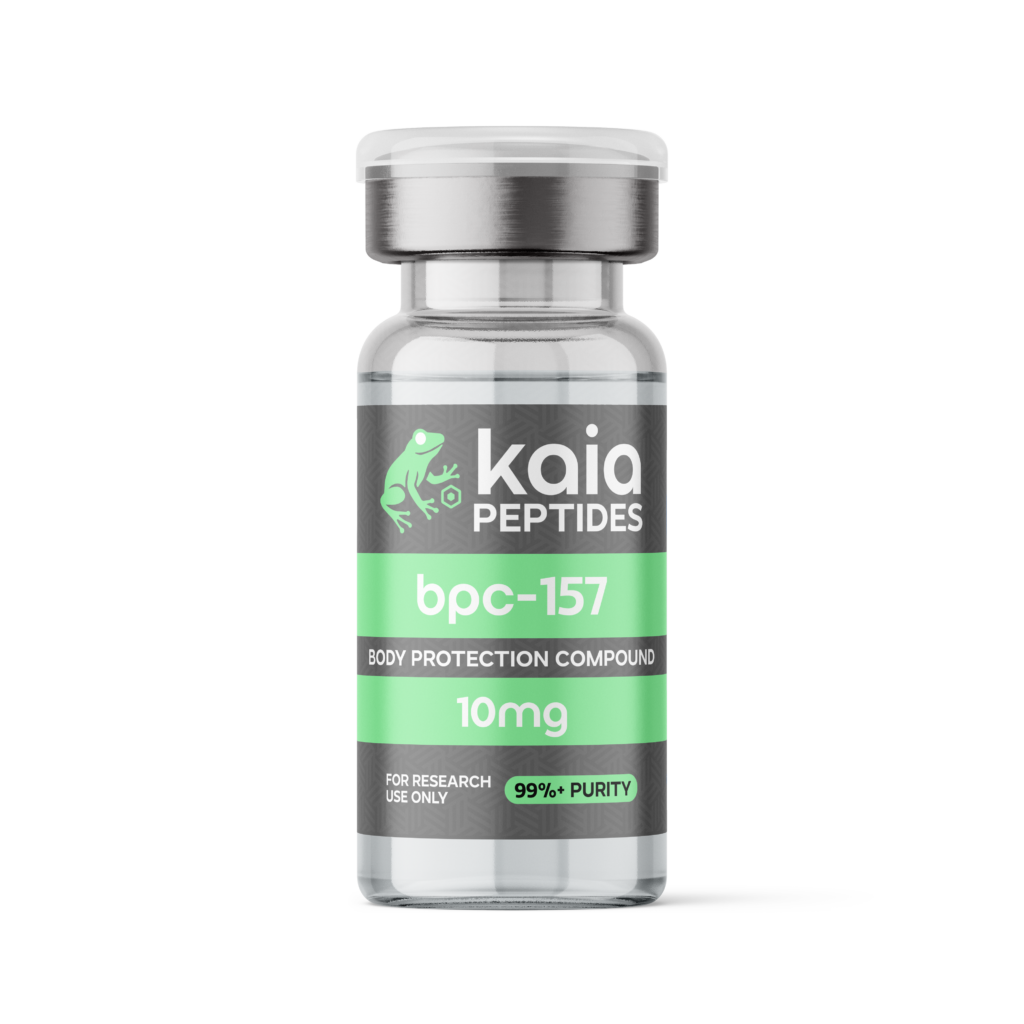
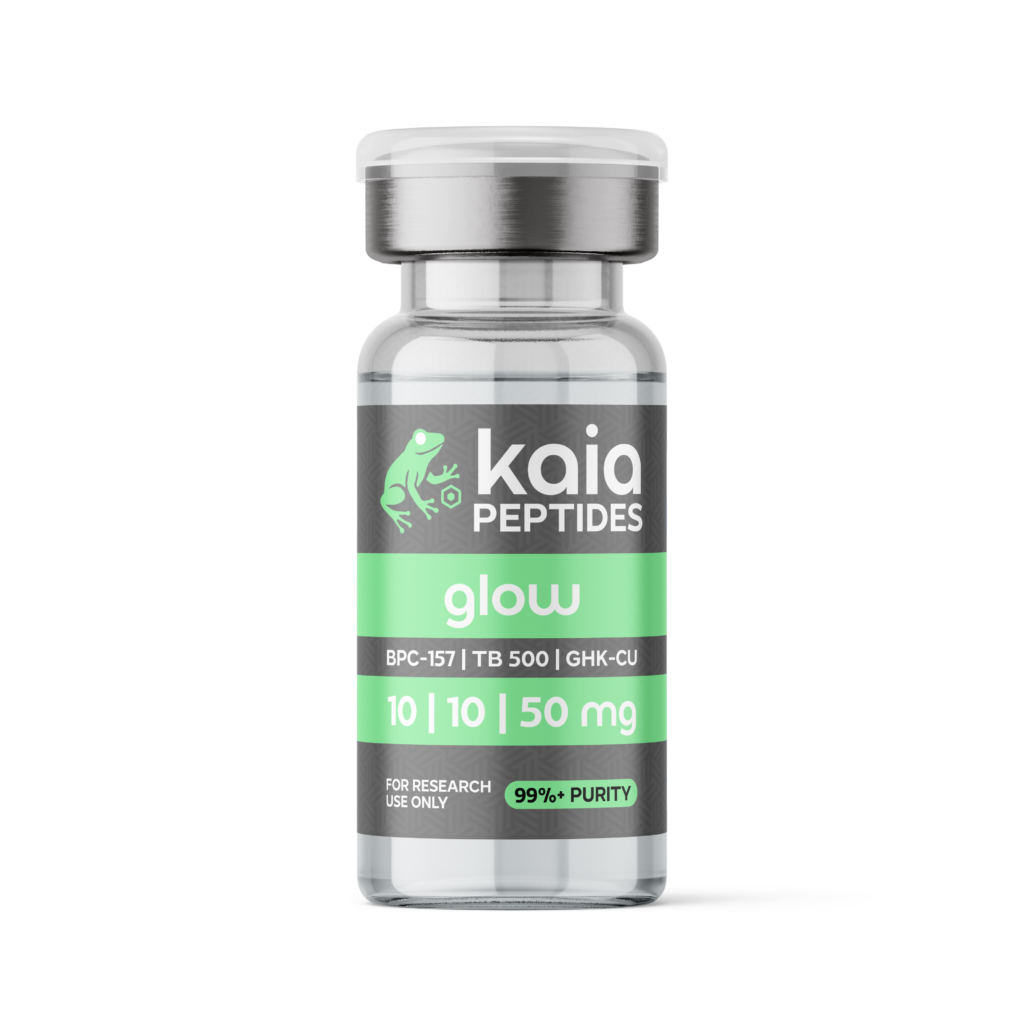
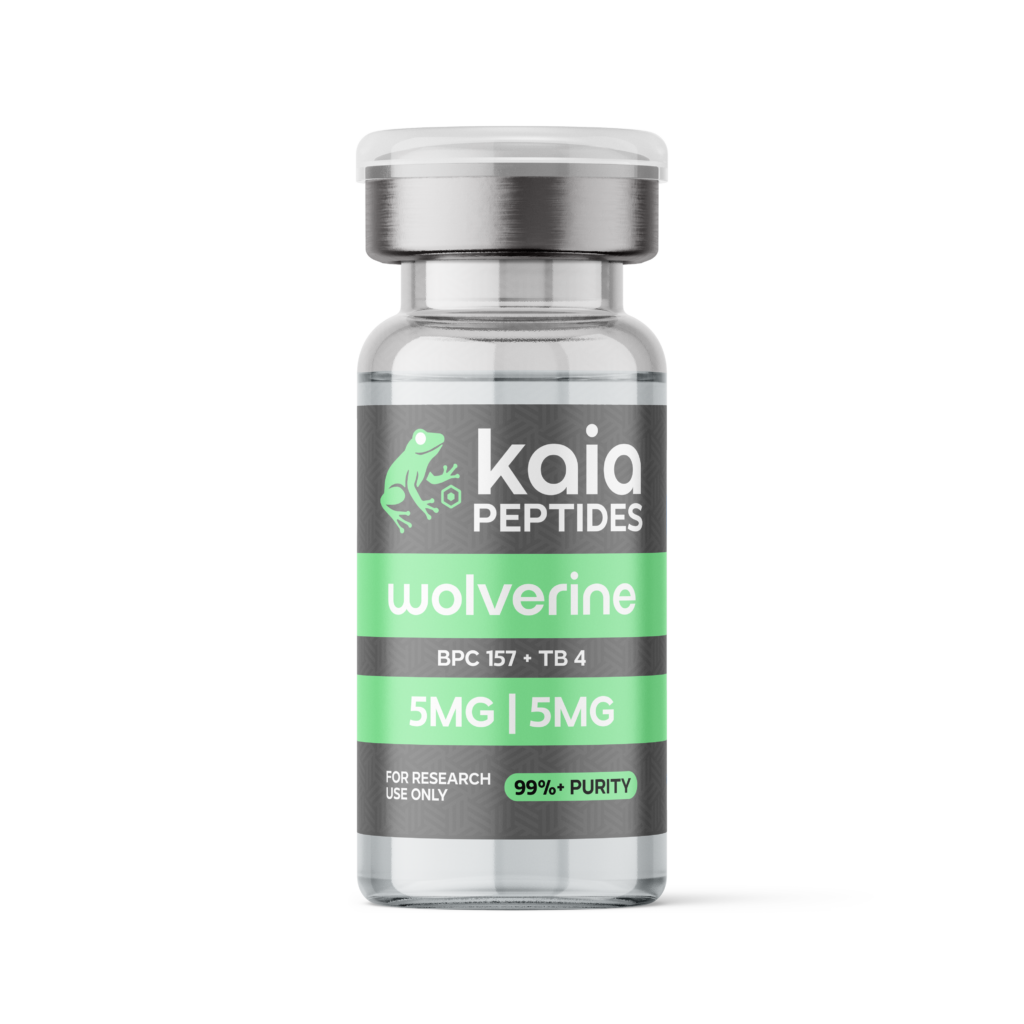
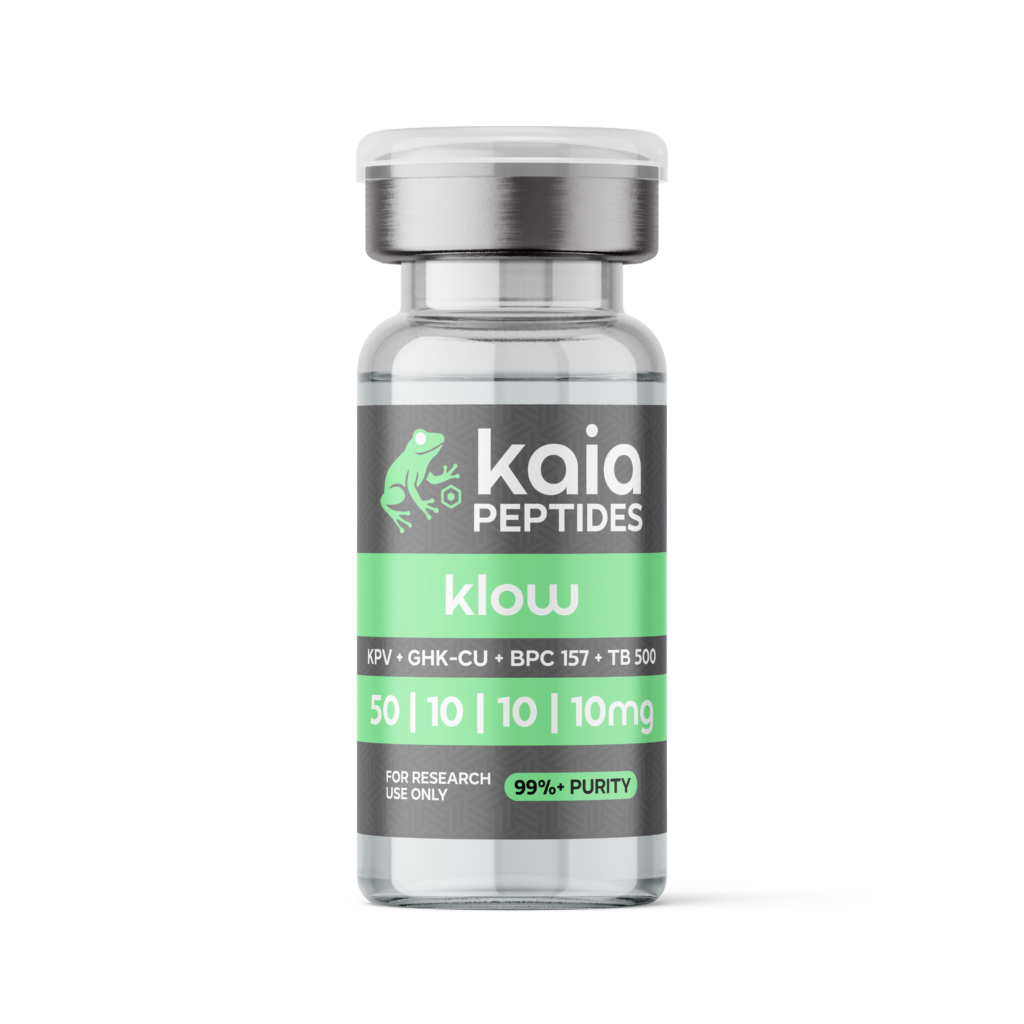
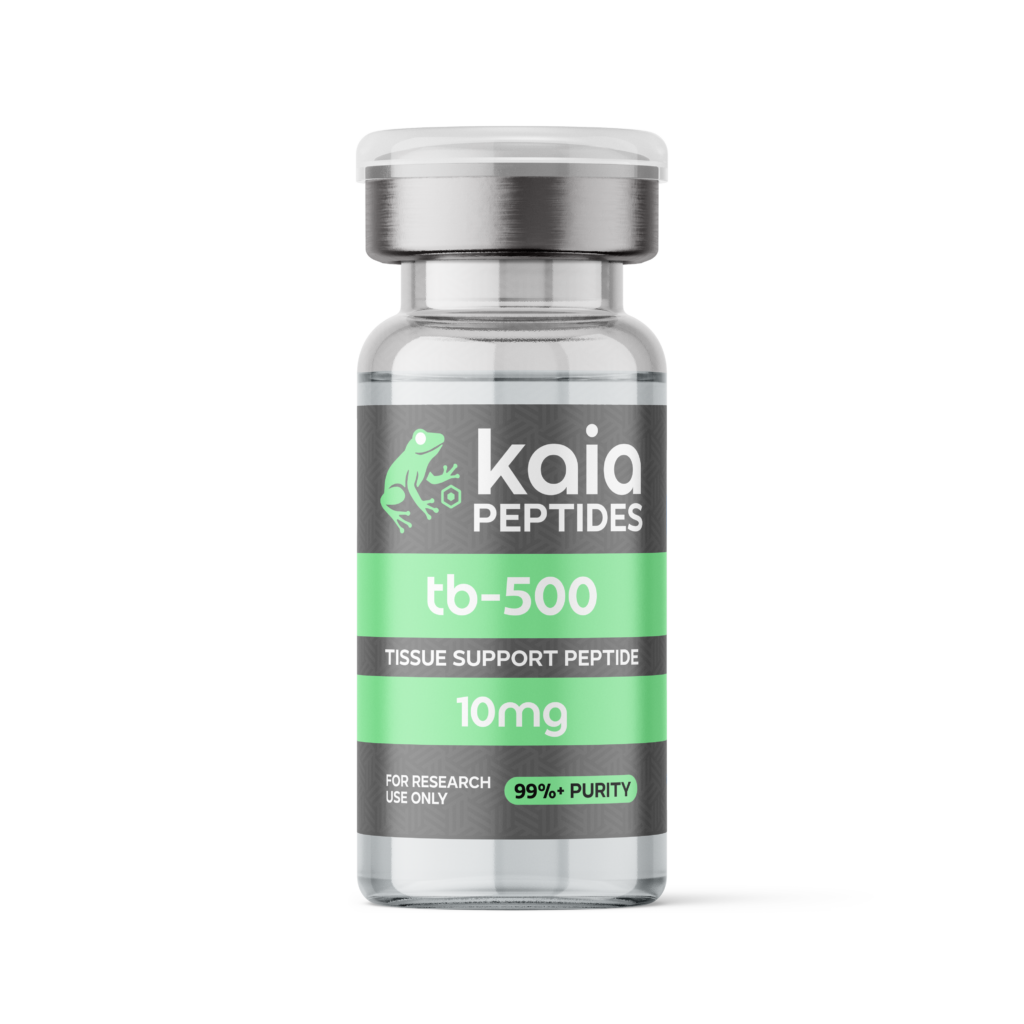
Yes. Peptides like BPC‑157 and TB‑500 are frequently studied for their potential roles in tissue regeneration, angiogenesis, and soft tissue recovery. These compounds are of interest in lab models exploring inflammation, tendon support, and post-injury recovery.
Which peptides are commonly researched for cognitive support?
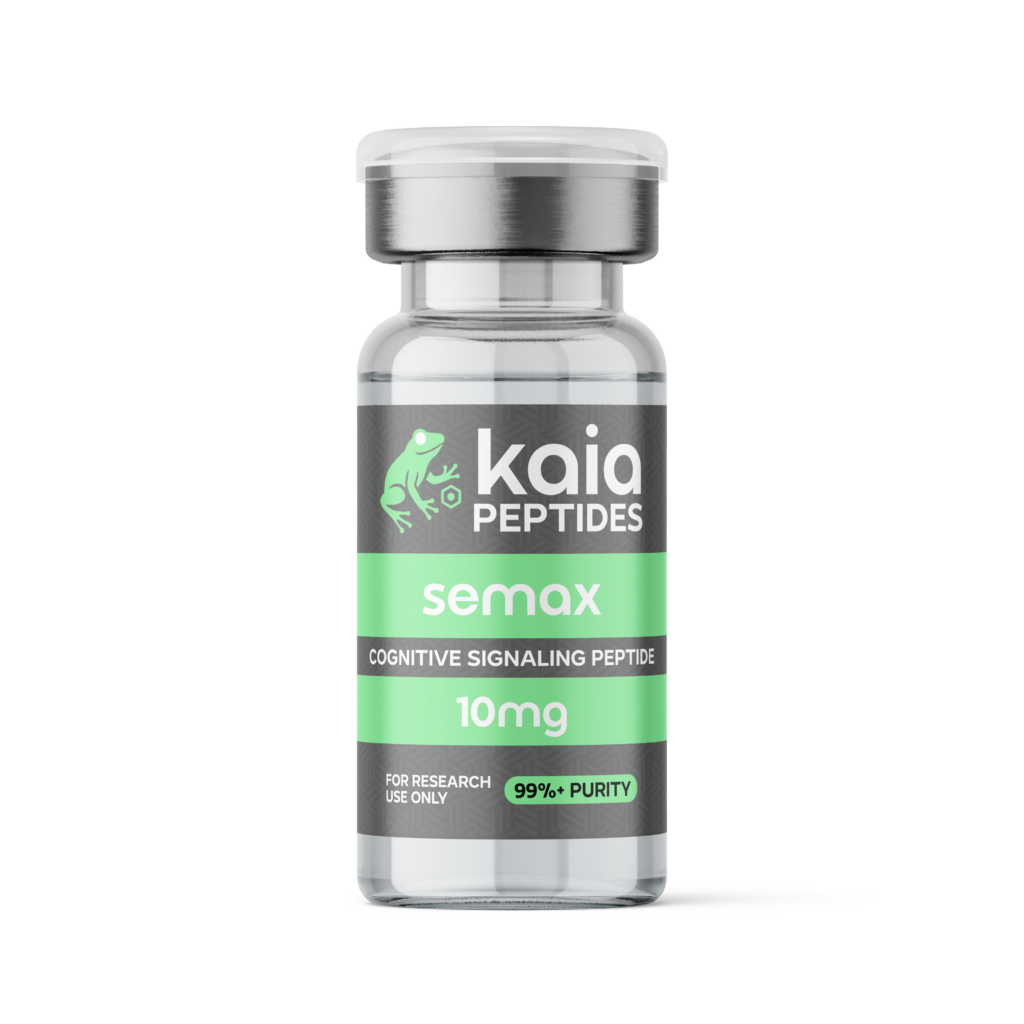
Peptides such as Semax and Selank are often explored in neuroscience settings. Studies have focused on their effects on focus, memory, mood modulation, and neuroprotection, making them popular in brain-related research.
Are there peptides being studied for metabolic function or body composition?
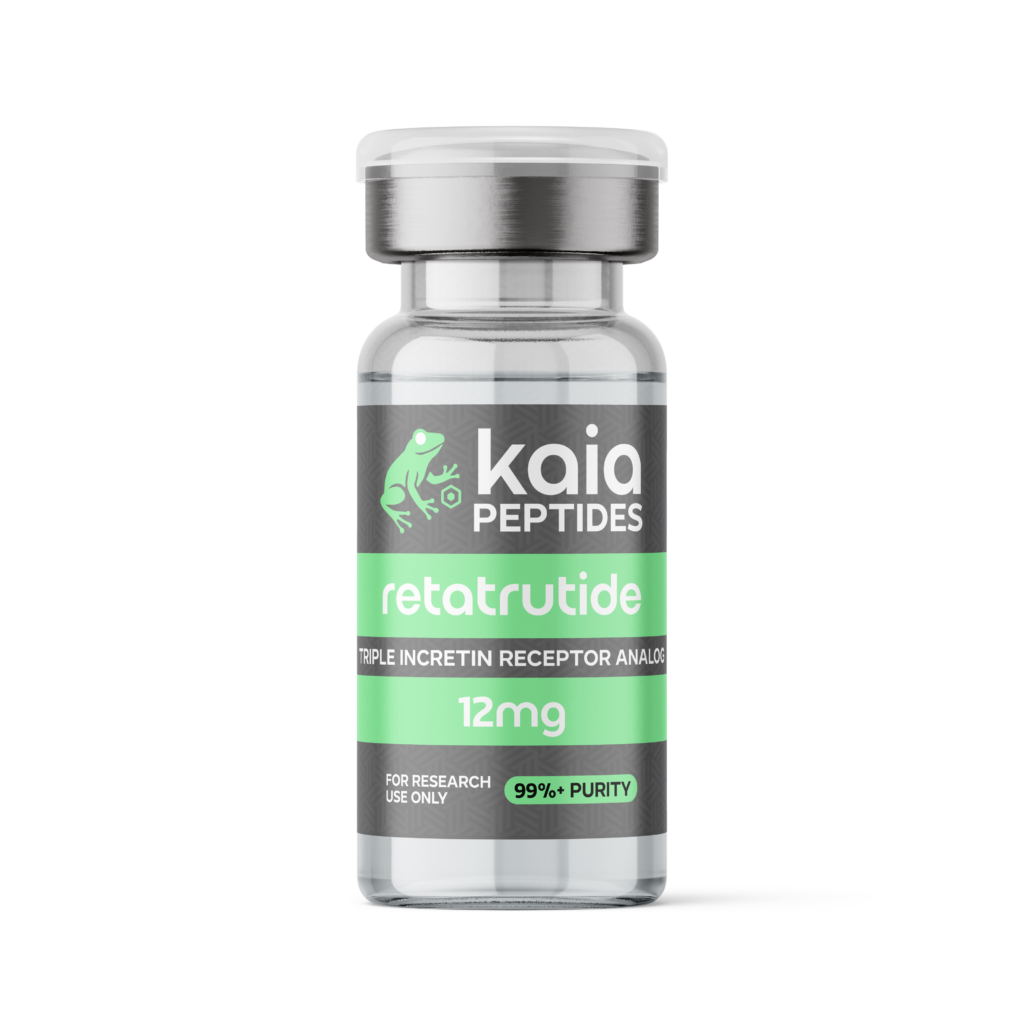
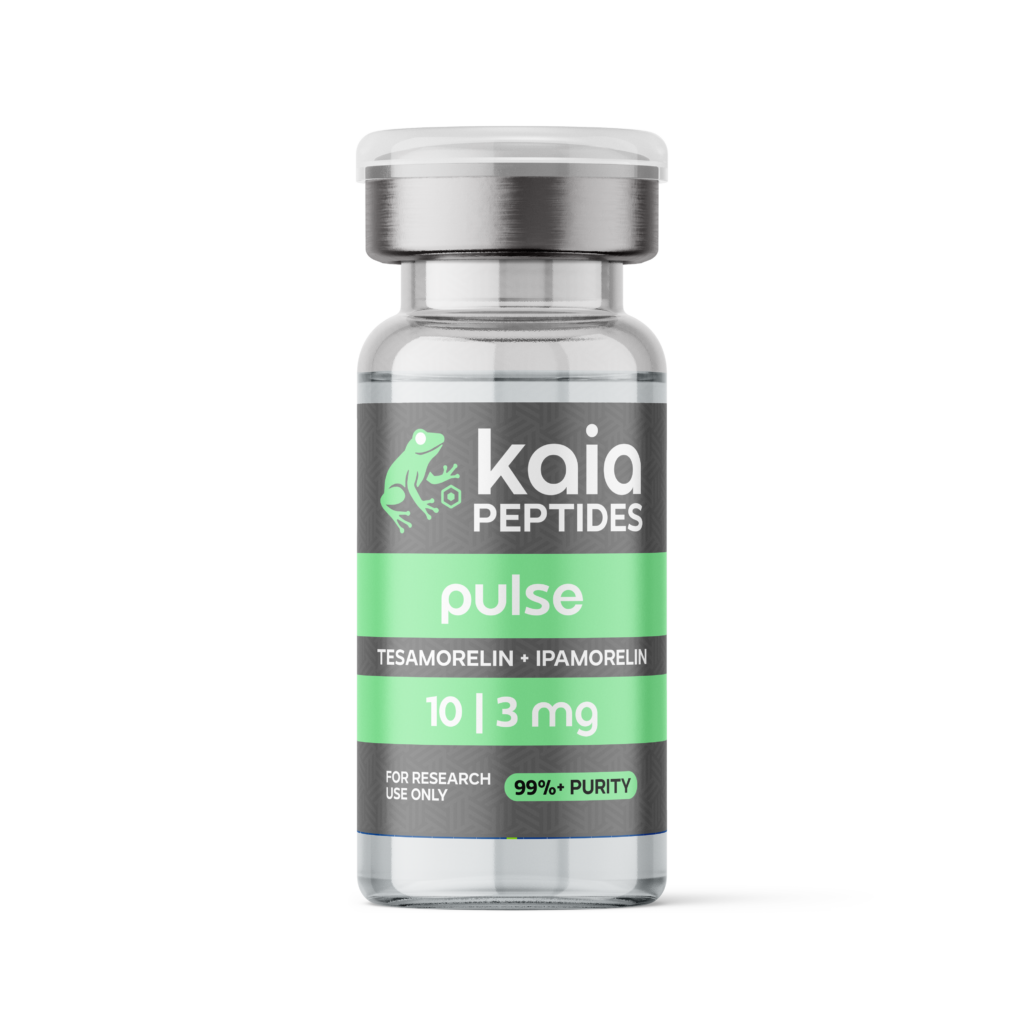
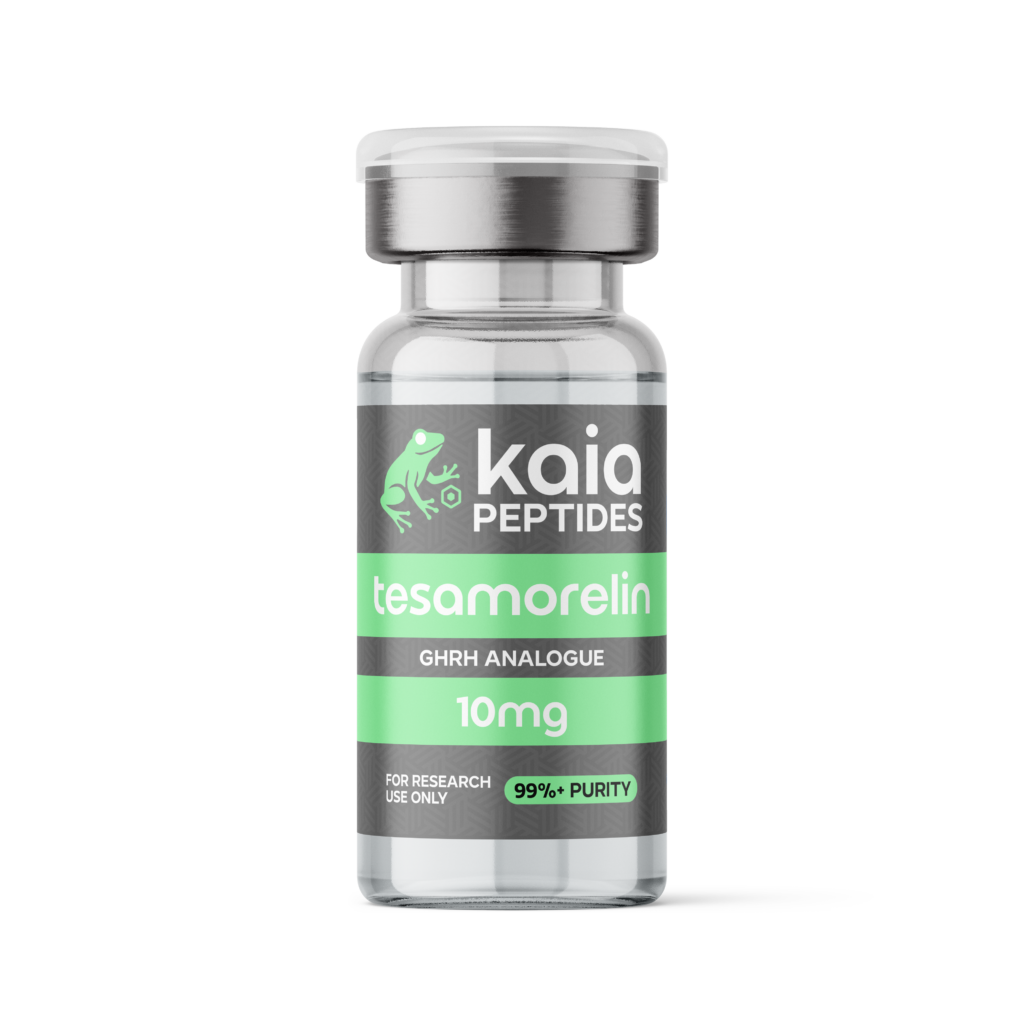
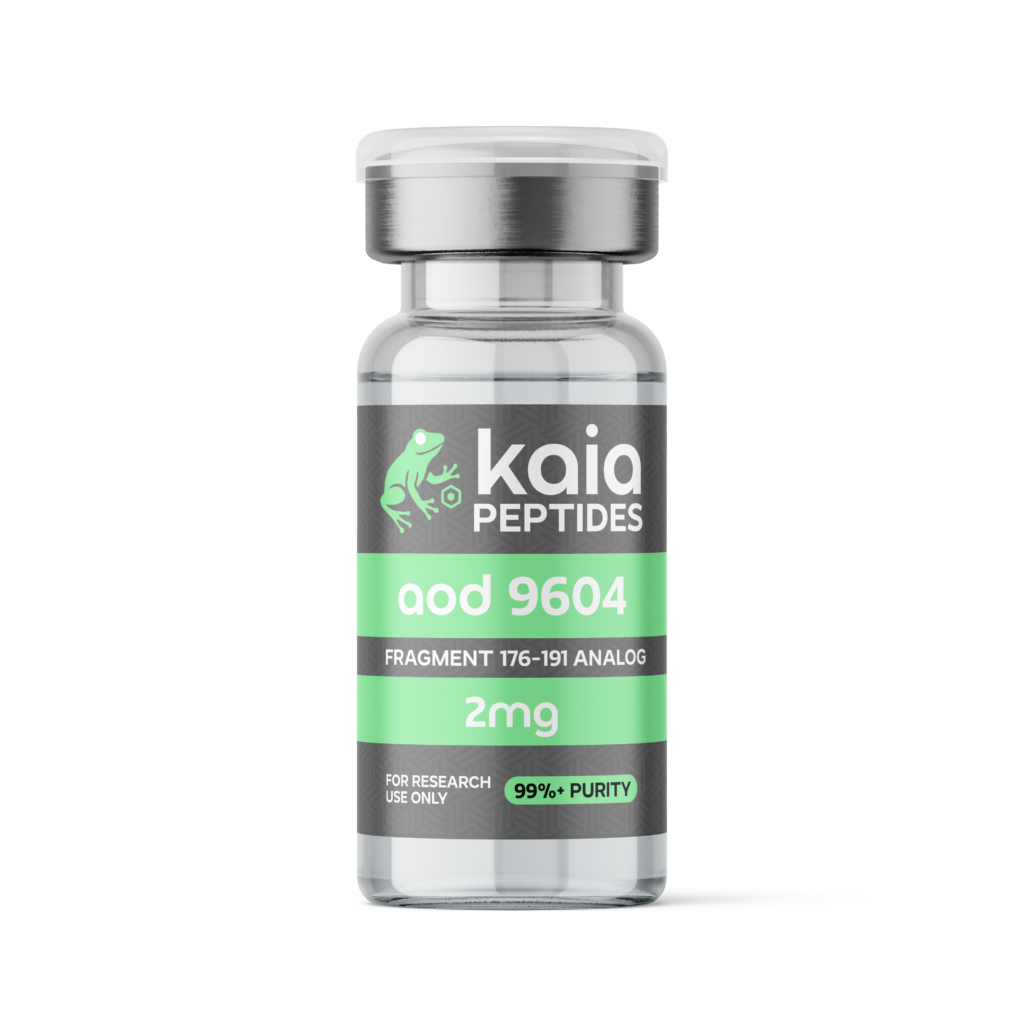
Definitely. Compounds like Tesamorelin, AOD‑9604, and Semaglutide are investigated for their impact on fat metabolism, glucose regulation, and appetite signaling. These studies are often centered on energy balance, weight-related hormones, and body recomposition.
What about longevity and anti-aging research — are peptides involved there too?
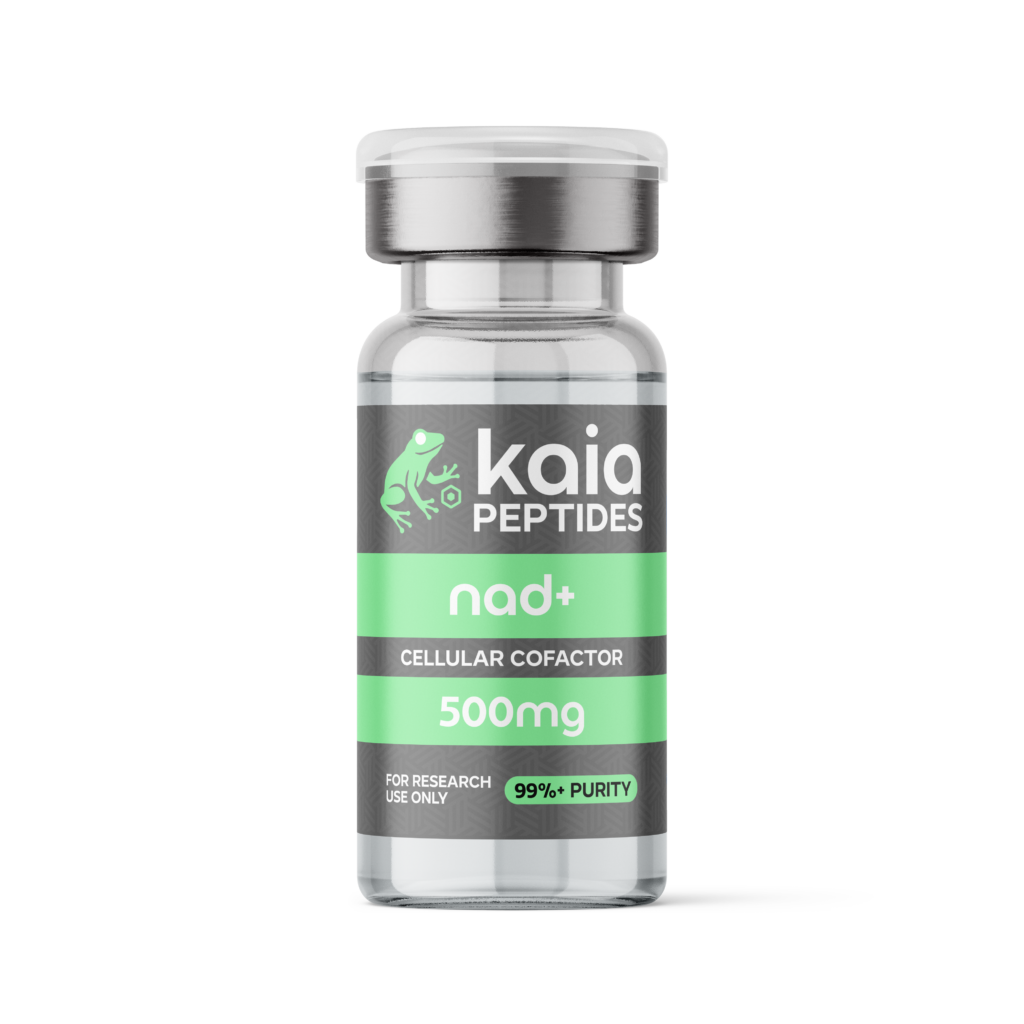
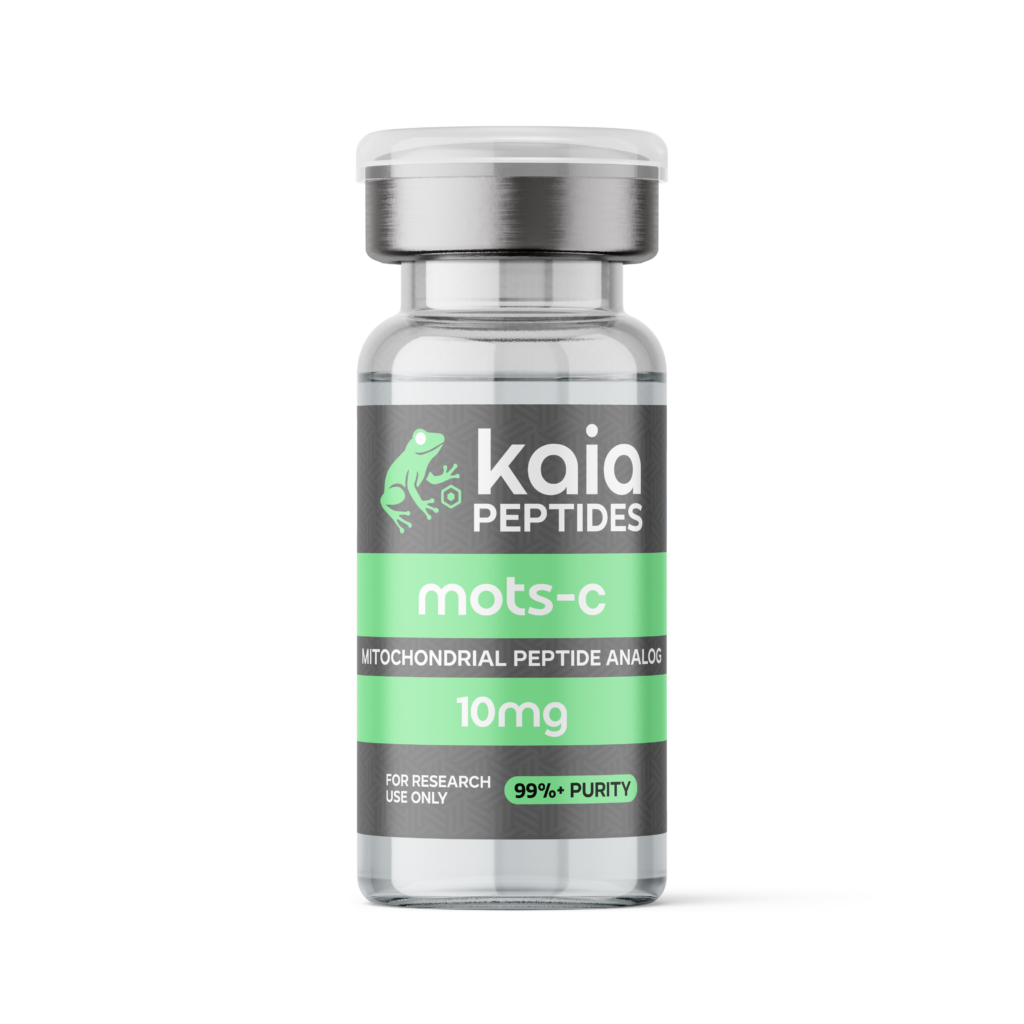
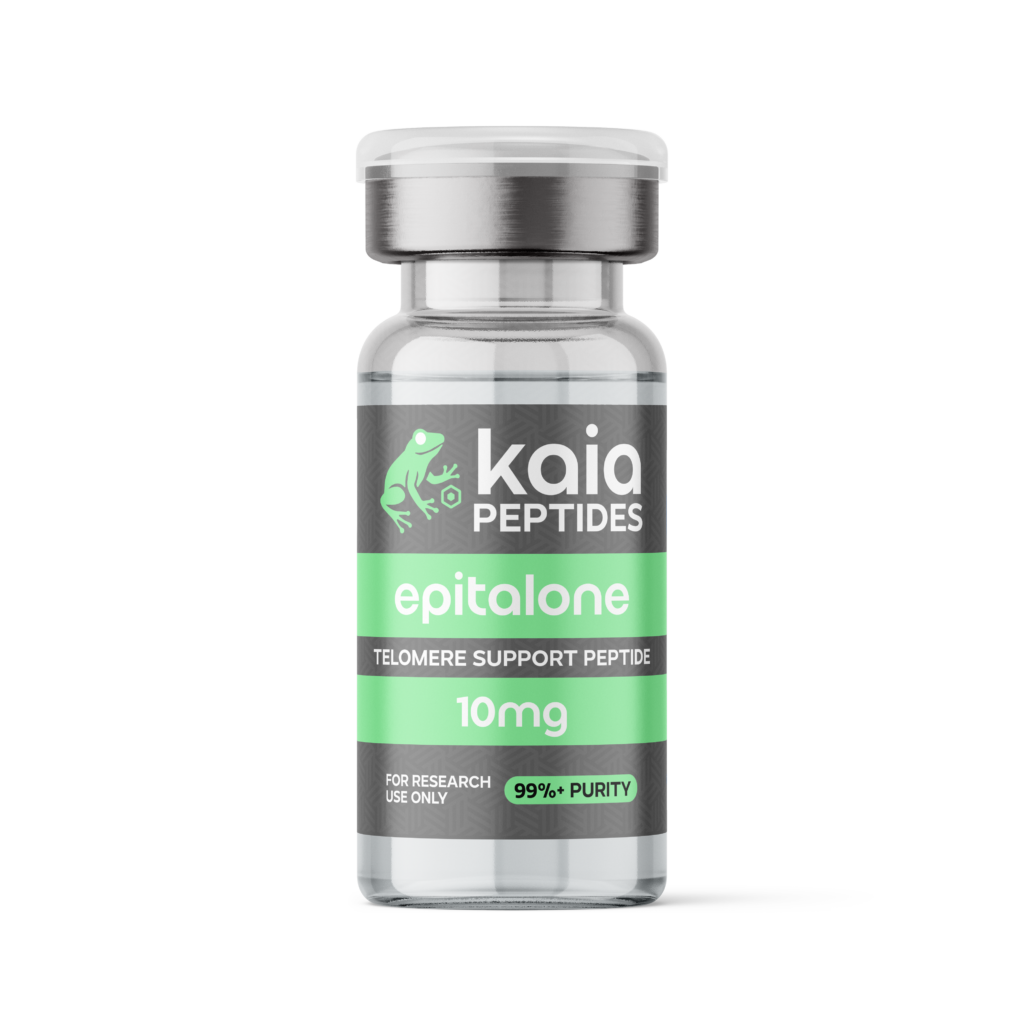
Yes peptides like Epitalon, NAD+, and MOTS‑c are commonly found in aging-related studies. Researchers are particularly interested in how they may affect telomere length, mitochondrial efficiency, and oxidative stress key areas in the science of longevity.
Are Kaia Peptides safe for human use?
No. All peptides sold through Kaia Peptides are for laboratory research use only and are not intended for human consumption, injection, or therapeutic use. Our products are sold strictly for in-vitro studies and controlled research environments.
What does “research use only” actually mean?
“Research use only” (RUO) means these products are designed for use in non-human, non-clinical experiments like testing in labs, educational settings, or other investigative purposes. They are not FDA-approved for use in humans or animals.
Why does peptide purity matter?
High purity = high confidence. We test every batch of peptides for 98%+ purity using third-party labs. That means you’re working with verified, clean compounds crucial for consistent and credible research results.
How are Kaia Peptides manufactured?
All our peptides are synthesized in U.S.-based labs using GMP compliant techniques. We follow strict quality control measures and include a Certificate of Analysis (COA) with each batch to back it up.
Do you offer advice on how to use peptides?
We do not provide usage instructions, dosing advice, or protocols. Since our products are for research purposes only, we encourage researchers to consult peer-reviewed literature or institutional protocols relevant to their area of study.
What form do peptides come in?
Most of our peptides are delivered as lyophilized (freeze-dried) powder in sterile vials. This helps preserve their stability during transit and storage. They’ll need to be reconstituted with an appropriate solvent for research purposes.
How should peptides be stored?
Unreconstituted peptides should be stored in a cool, dry place, ideally refrigerated (36–46°F). Once reconstituted, storage requirements depend on the solvent used and your lab’s stability protocols.
Do you ship internationally?
Not at this time. Kaia Peptides currently ships only within the United States. This helps us ensure legal compliance and consistent delivery timelines for our customers.
How are Kaia Peptides manufactured?
All our peptides are synthesized in U.S. based labs using GMP compliant techniques. We follow strict quality control measures and include a Certificate of Analysis (COA) with each batch to back it up.
Can I see lab results or Certificates of Analysis (COAs)?
Yes transparency is everything to us. Each peptide batch is tested and verified, and COAs are available by request or included with your shipment.