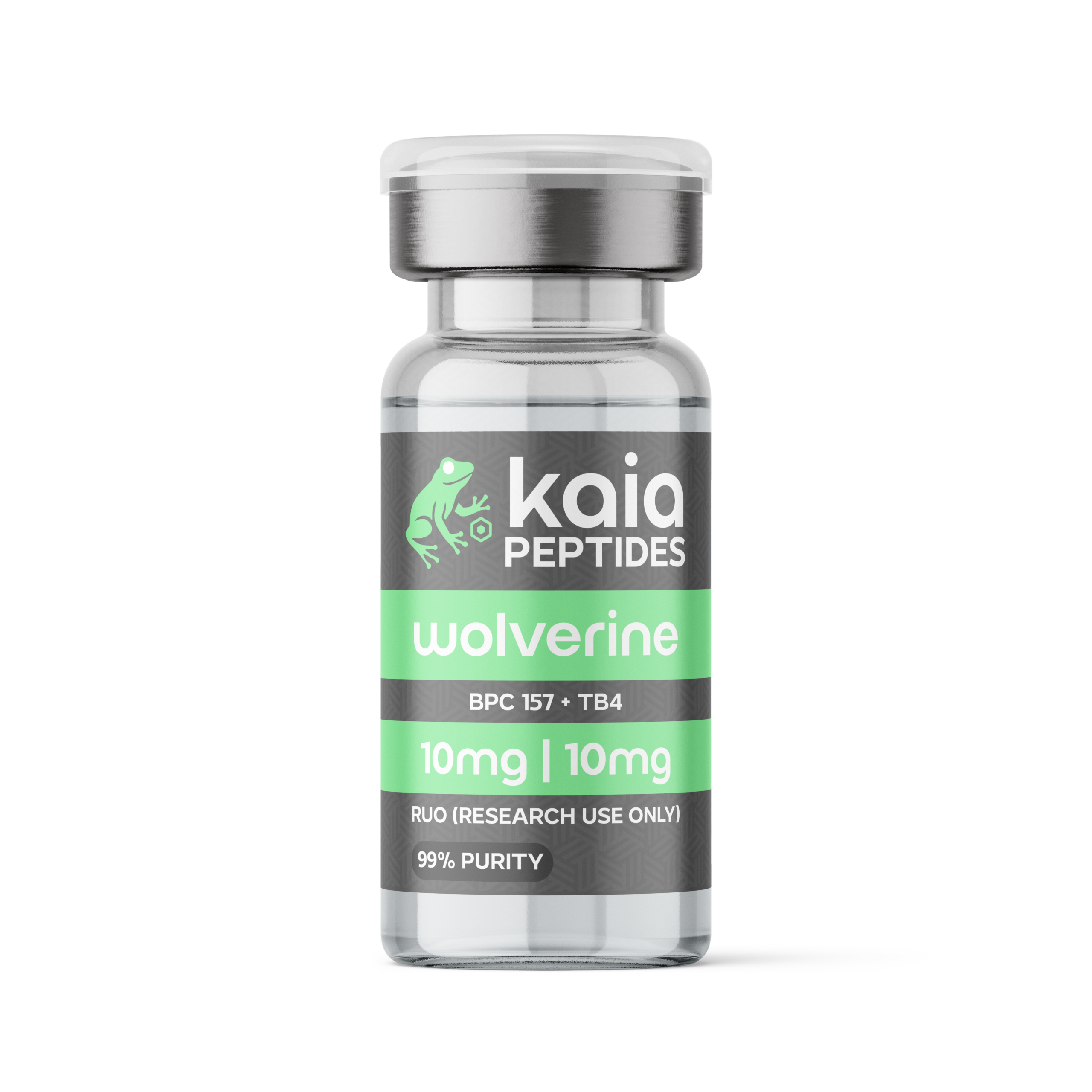
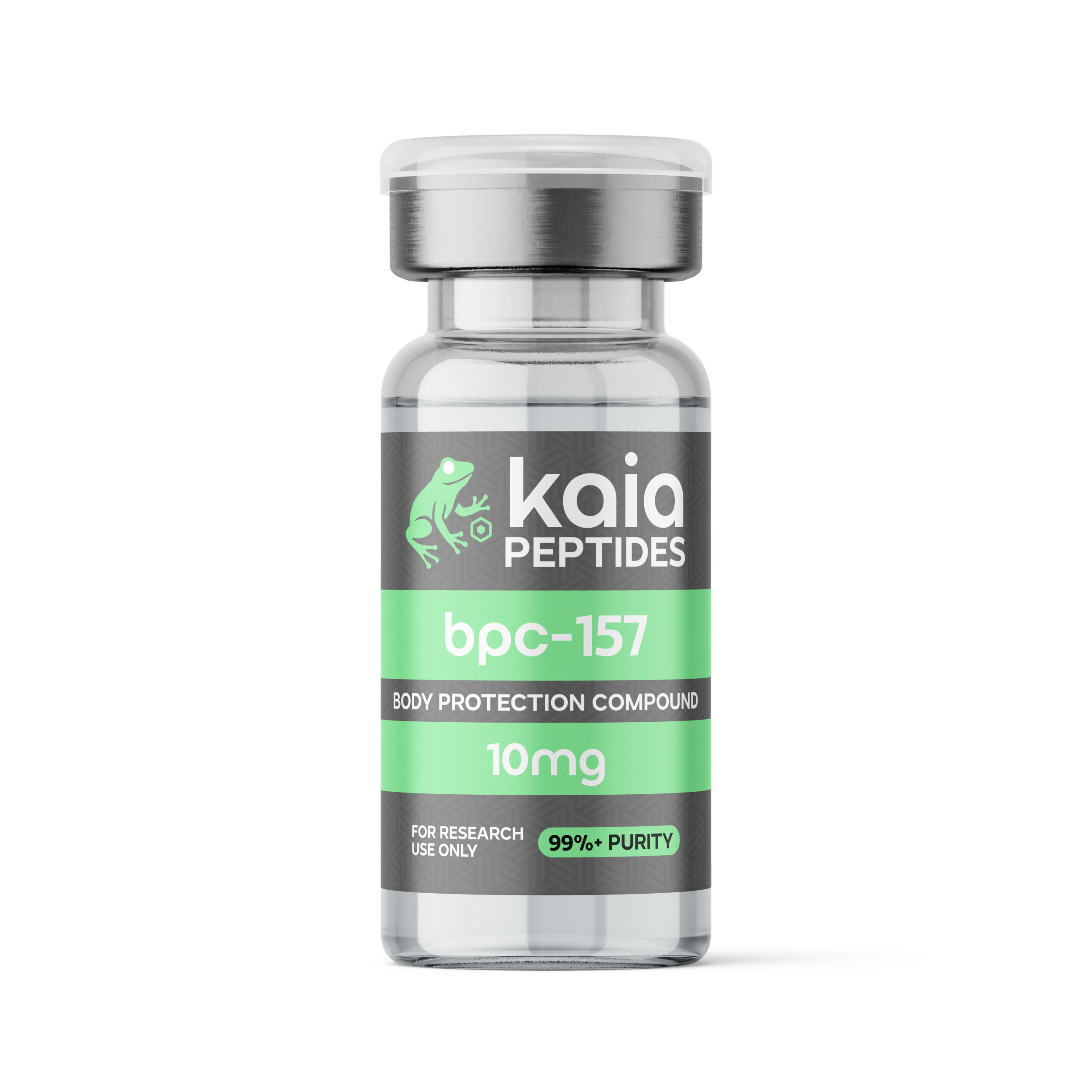
BPC-157 - (10mg)
Body Protection Compound – Tissue-Response Modeling, Cellular Signaling & Regeneration Pathway Research
What Is BPC-157?
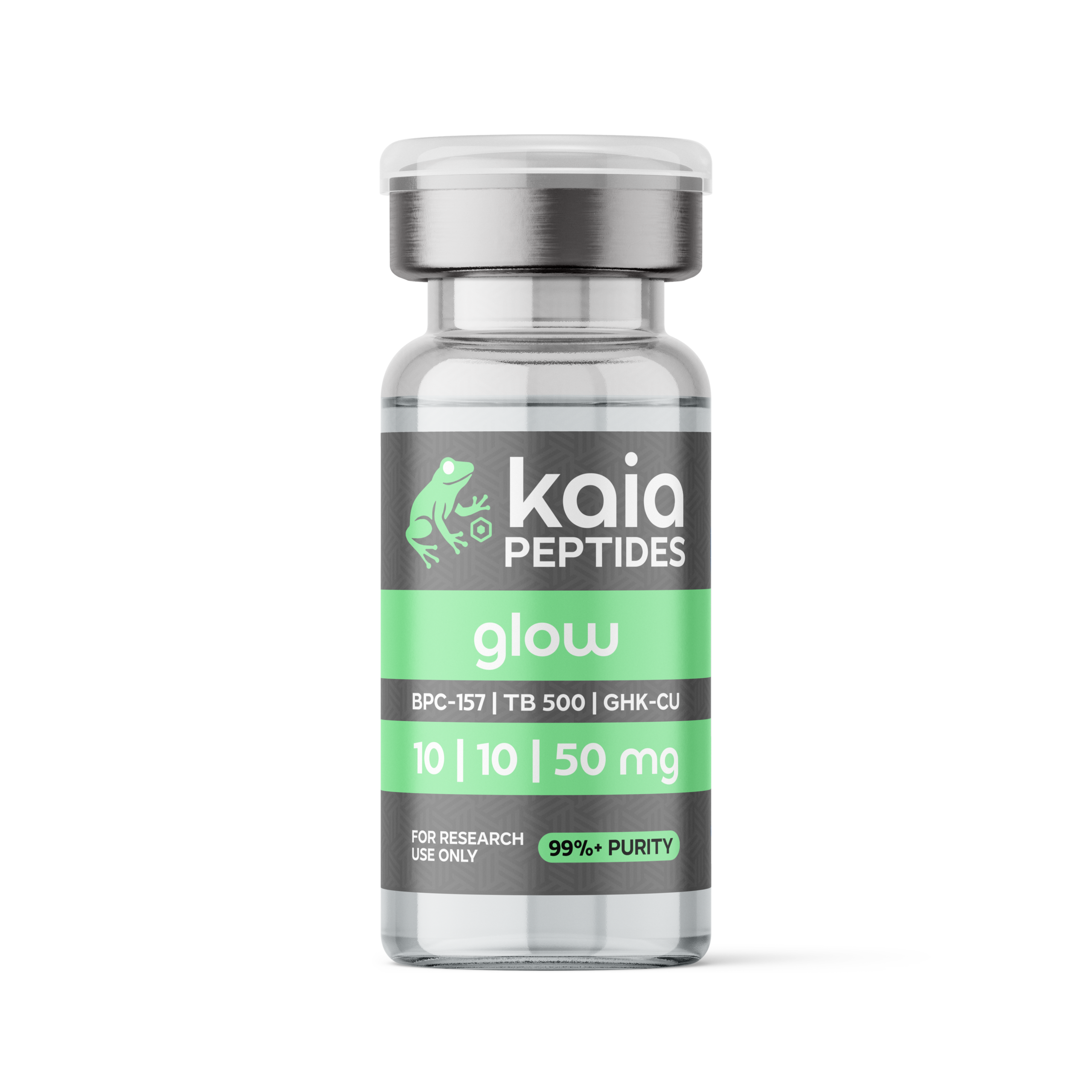
BPC-157 is a synthetic peptide fragment derived from a protein found in gastric juice.
In scientific and laboratory environments, it is widely researched for its potential role in:
-
Tissue-repair signaling
-
Angiogenesis (blood-vessel formation) pathways
-
Cellular-communication mechanisms
-
Inflammation-response models
-
Gastrointestinal integrity studies
-
Musculoskeletal recovery pathways in controlled research
Researchers value BPC-157 for its unique ability to influence multiple repair-related pathways in experimental settings.
Understanding BPC-157 — A Metaphorical Research Analogy
Imagine a large city representing a biological system.
The buildings, bridges, and roadways symbolize:
-
Muscles
-
Tendons
-
Ligaments
-
Soft tissue
-
Gut lining
-
Vascular networks
Every day, the city experiences structural stress:
-
Roads crack (tendon strain in research models)
-
Bridges weaken (ligament fatigue signaling)
-
Buildings show wear (muscle micro-damage)
-
Pipes leak (gut-lining disruption)
Most repair crews take time to arrive or only perform surface-level fixes.
But one specialized crew reacts instantly and works with coordination and precision.
That crew represents BPC-157.
• Activating “Emergency Repair Mode” (Targeted Signaling Research)
In laboratory studies, BPC-157 is examined for how it interacts with repair-signaling pathways.
The metaphorical “repair crew” travels directly to the site of disruption without delay.
Researchers explore how BPC-157 influences:
-
Localized tissue-response mechanisms
-
Directed cellular-signaling activity
-
Repair-pathway activation
• Rebuilding Structures (Tissue-Repair Modeling)
Scientists study BPC-157 for its potential effects on:
-
Tendon and ligament models
-
Muscle-fiber recovery pathways
-
Gastrointestinal barrier integrity
-
Soft-tissue restoration processes
In the analogy, the crew:
-
Fills road cracks
-
Reinforces bridges
-
Repairs damaged buildings
-
Restores the piping system
• Clearing Debris (Inflammation-Response Studies)
BPC-157 is studied for its interaction with inflammatory pathways.
Researchers evaluate its role in:
-
Modulating inflammatory markers
-
Supporting a clean environment for tissue repair
-
Encouraging balanced cellular responses
This mirrors the cleanup crew clearing debris after a storm.
• Creating New Roads (Angiogenesis Research)
One of the most studied aspects of BPC-157 is its role in angiogenesis models.
Researchers investigate how BPC-157 may influence:
-
Microvascular growth
-
Blood-flow improvement pathways
-
Nutrient-delivery mechanisms
In the metaphor, new “roads” (blood vessels) appear where the city needs them most.
• Enhancing Communication (Cellular-Signaling Coordination)
BPC-157 is used to study intercellular communication and signaling efficiency.
In the analogy, it strengthens the “walkie-talkie network” that helps all crews coordinate rapidly and accurately.
Combined Research Perspective
BPC-157 allows scientists to explore:
-
Multi-tissue repair models
-
Gastrointestinal-lining research
-
Angiogenesis pathways
-
Inflammatory signaling
-
Recovery mechanisms in musculoskeletal structures
-
System-wide cellular communication
The construction-city metaphor simplifies these complex interactions without suggesting any therapeutic or human-use effects.
For Research Use Only.
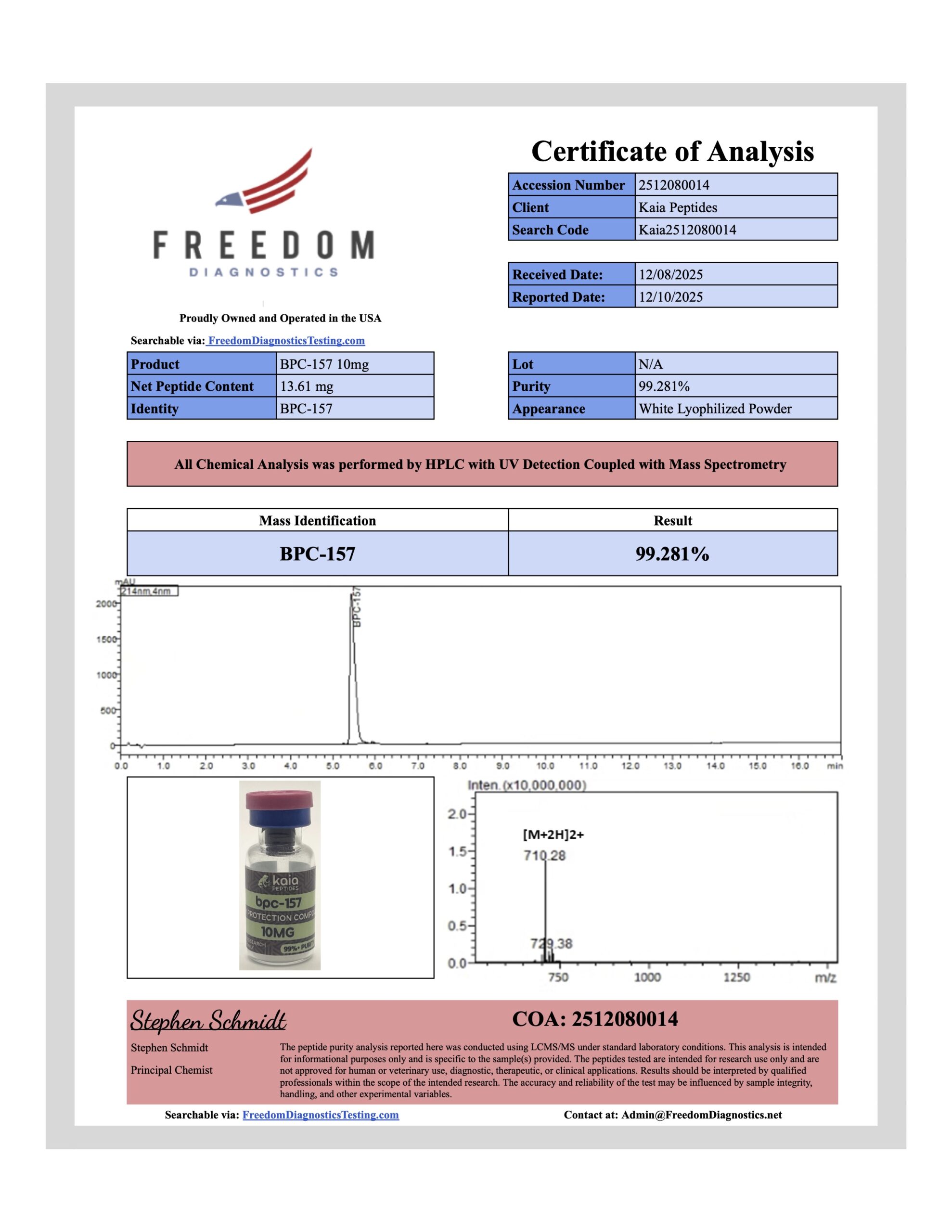

For laboratory research use only. Not for human or animal use. These products have not been evaluated by the U.S. Food and Drug Administration (FDA) and are not intended to diagnose, treat, cure, or prevent any disease.