99%+ Purity • American Lab Tested • Free shipping $250+ • For Research Use Only Dismiss

WOLVERINE

OUT OF STOCK
OUT OF STOCK

$ 115

Out of stock

Product Discription

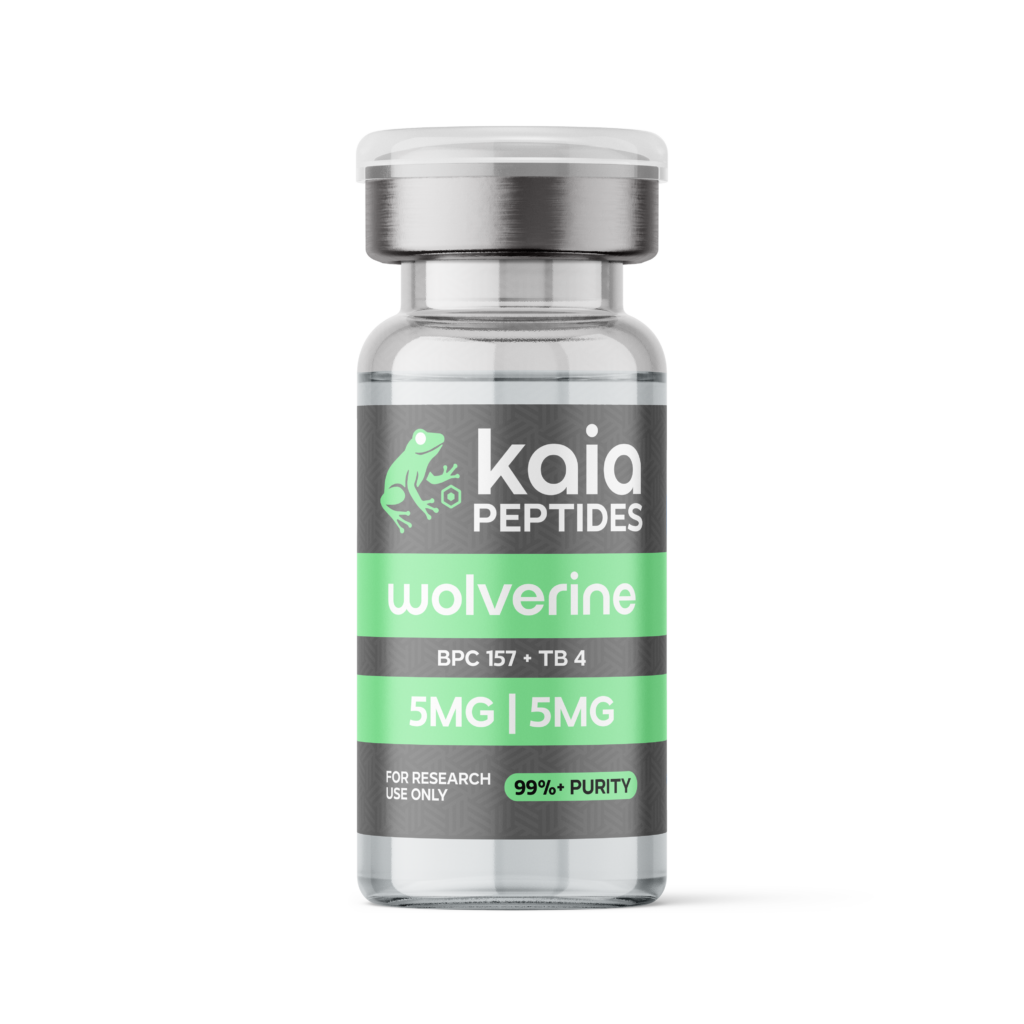
Wolverine – BPC-157 (5mg) + TB-500 (5mg)

Dual Peptide Research Blend – Tissue-Model Response, Pathway Interaction & Regeneration Studies

For laboratory research use only. Not for human or animal use. These products have not been evaluated by the U.S. Food and Drug Administration (FDA) and are not intended to diagnose, treat, cure, or prevent any disease.

What Is Wolverine?

This blend contains two laboratory-researched peptides frequently studied for their roles in cellular, structural, and tissue-model signaling environments.

• BPC-157 (5mg)

A synthetic pentadecapeptide commonly examined in controlled research settings for its interaction with:

  • Angiogenesis-related pathways

  • Cellular migration models

  • Structural integrity and tissue-response behavior

  • Inflammatory-signal modulation patterns

• TB-500 (5mg)

A research fragment of Thymosin Beta-4 often used in scientific studies to explore:

  • Actin-binding mechanisms

  • Cell-migration and repair-model dynamics

  • Vascular and circulatory pathway behavior

  • System-wide response patterns in experimental environments

When studied together, researchers can observe how localized and systemic signaling models interact across multiple layers of a controlled test environment.


Understanding BPC-157 + TB-500 — A Metaphorical Research Analogy

To help visualize this blend from a scientific-model perspective, imagine a complex transportation network used in research to symbolize structural systems.

Over time, this model network may exhibit:

  • Micro-fractures

  • Congestion points

  • Reduced flow through critical pathways

  • Slower structural response mechanisms

Researchers often use analogies like these to conceptualize how different signals behave in controlled experiments.

• BPC-157: The Precision Signal Engineer

In a laboratory analogy, BPC-157 acts like a targeted “repair cue,” allowing researchers to observe:

  • Localized signaling

  • Specific response sites

  • Structural pathway activation

  • Angiogenesis-related model activity

  • Modulation of simulated “traffic buildup” (inflammation models)

It is studied for how selectively and precisely signals propagate in localized environments.

• TB-500: The System-Wide Flow Modulator

TB-500 is often used in research to test broader, system-wide behaviors such as:

  • Cell transport and migration efficiency

  • Flow improvements across larger model networks

  • Actin-based structural response

  • Distributed signaling through extended pathways

If BPC represents local “repair signals,” TB-500 represents the broader “infrastructure flow” that researchers observe across entire systems.


Together in Research Models

When paired, these peptides allow researchers to explore how:

  • Local vs. system-wide pathways interact

  • Signal propagation changes under different conditions

  • Structural models respond to dual-pathway stimulation

  • Angiogenesis, migration, and response cycles align

  • Network resilience shifts in controlled experiments

This dual-peptide setup gives laboratories a broader multi-pathway framework for studying coordinated tissue-model behaviors.


For Research Use Only.
Not for human consumption. Not for medical or veterinary use.
All descriptions are for scientific, educational, and laboratory reference only.

Explore

Discover Our Range of Peptide Solutions

IN STOCK
IN STOCK

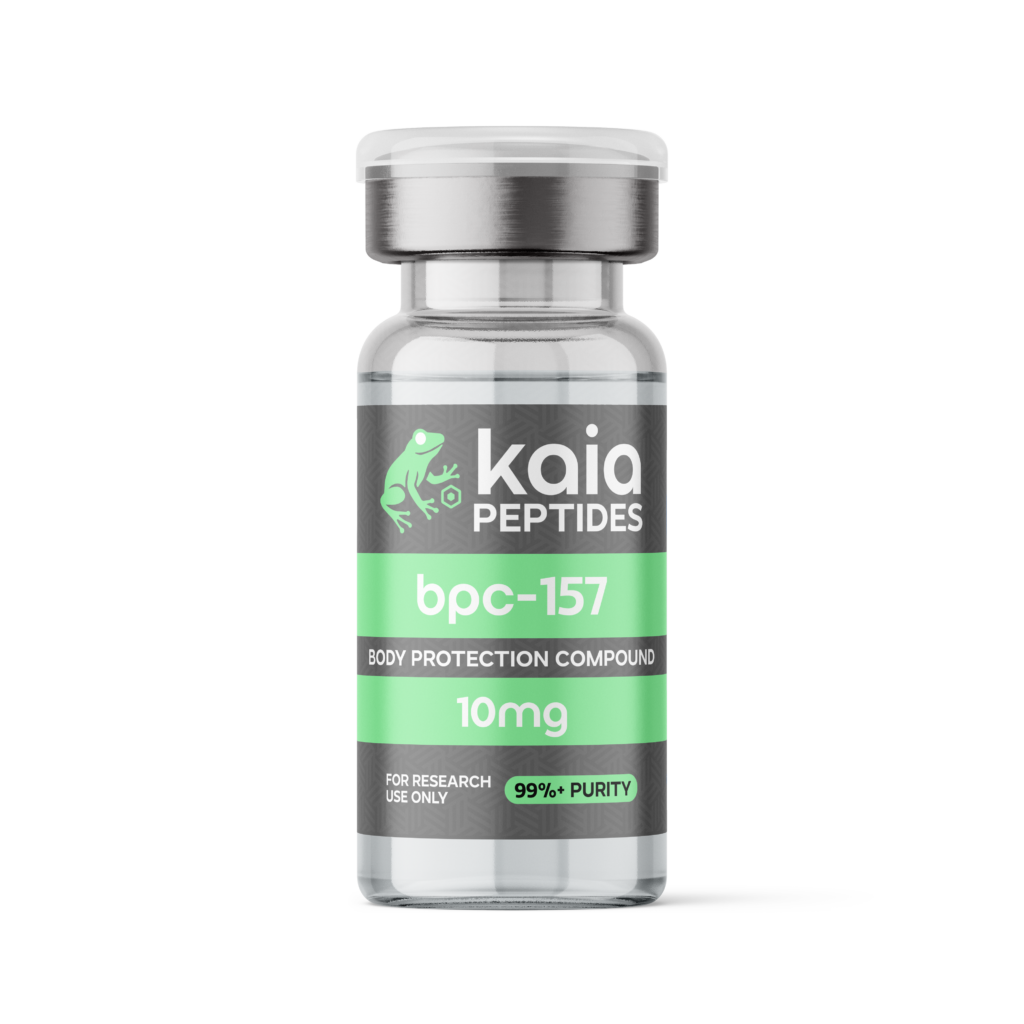
BPC-157

$ 95

Add to cart
IN STOCK
IN STOCK

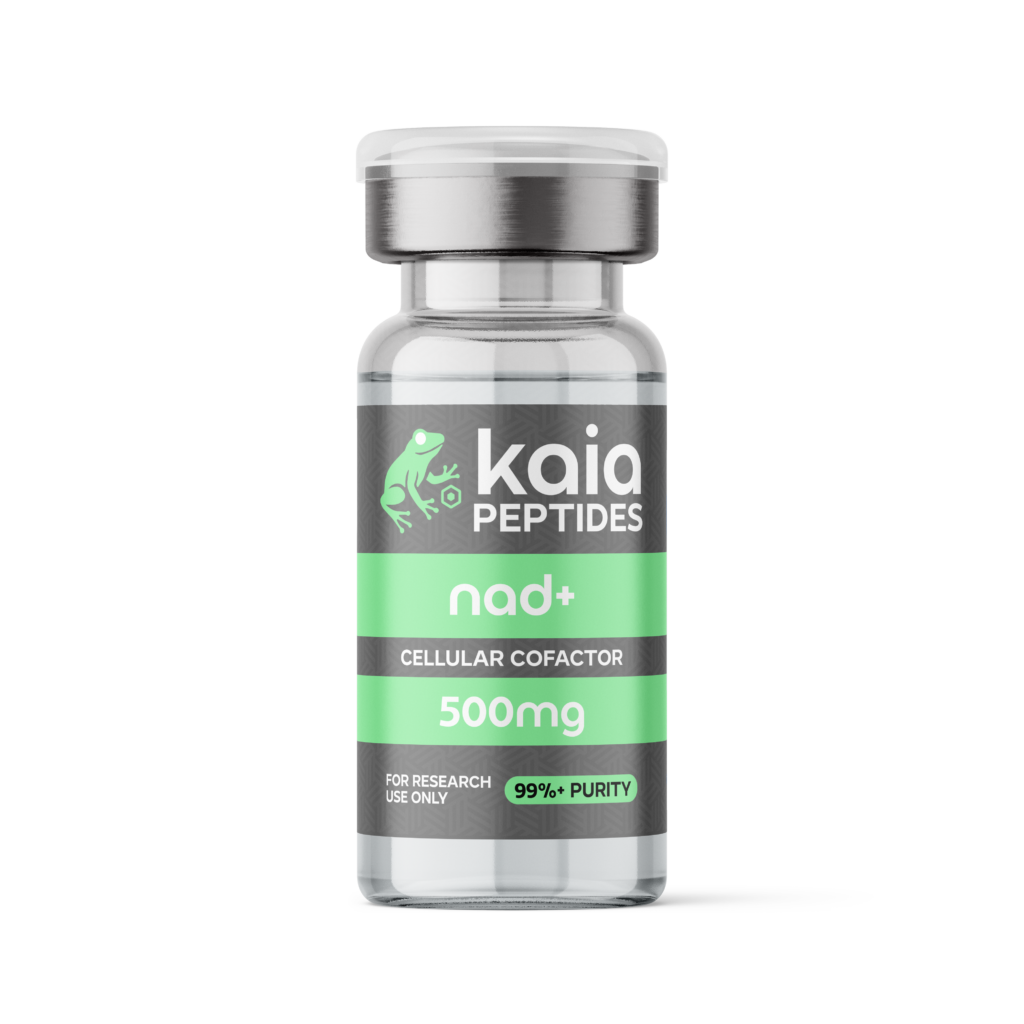
NAD+

$ 165

Add to cart
IN STOCK
IN STOCK

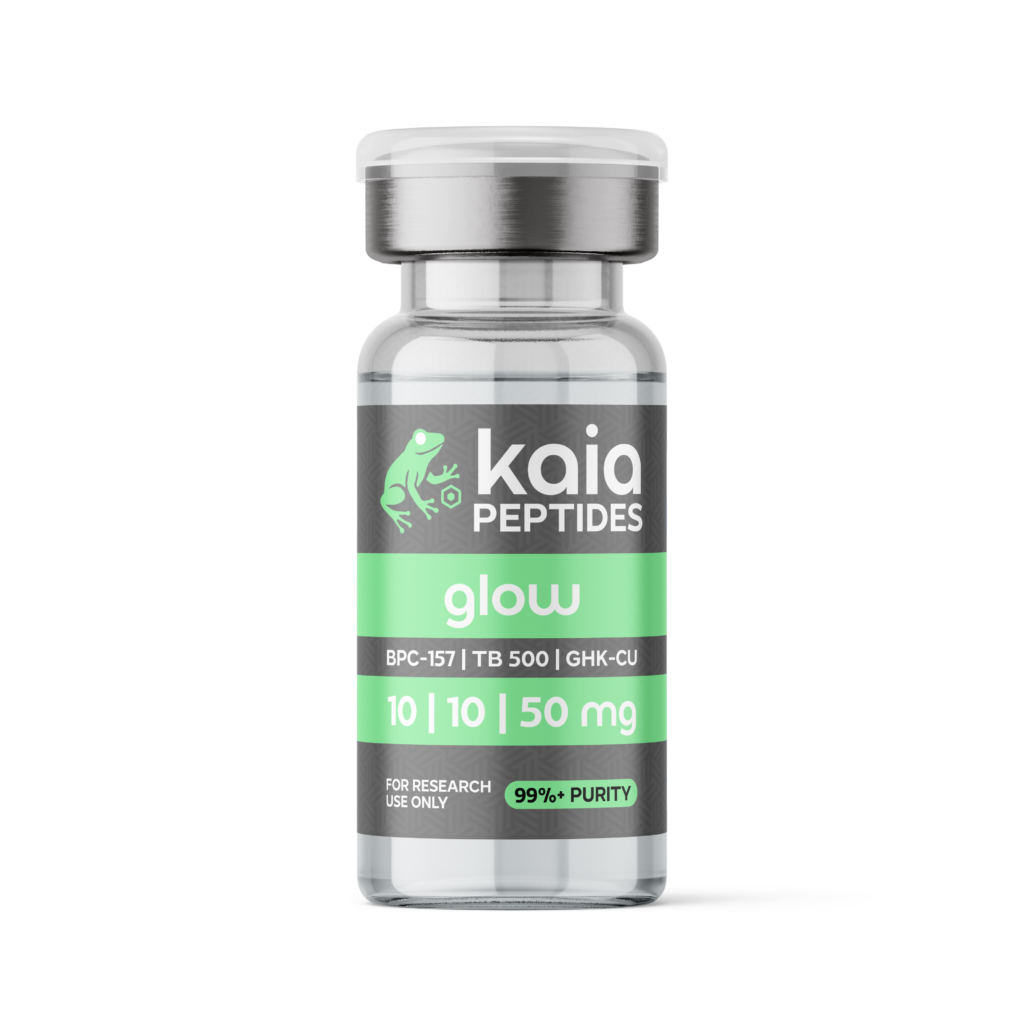
GLOW

$ 165

Add to cart
IN STOCK
IN STOCK

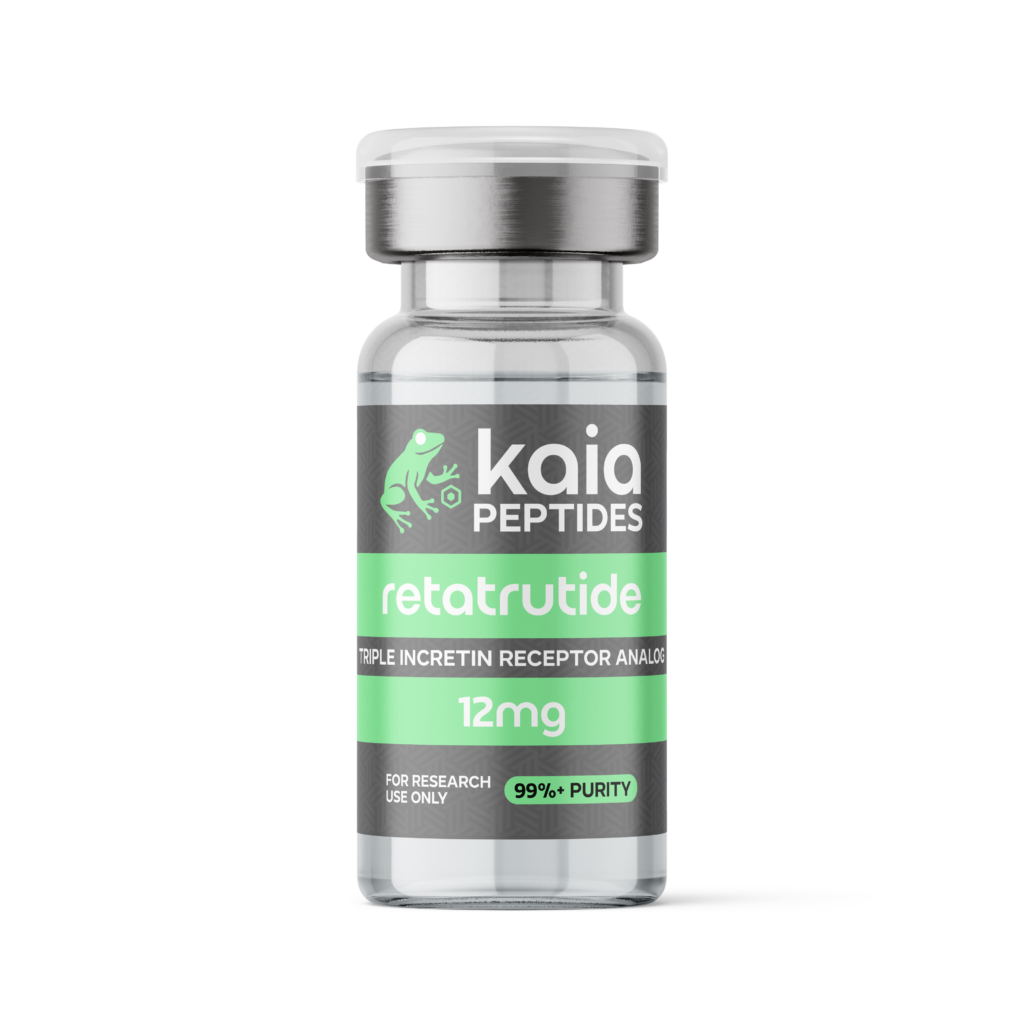
GLP-R3

$ 200

Add to cart
IN STOCK
IN STOCK

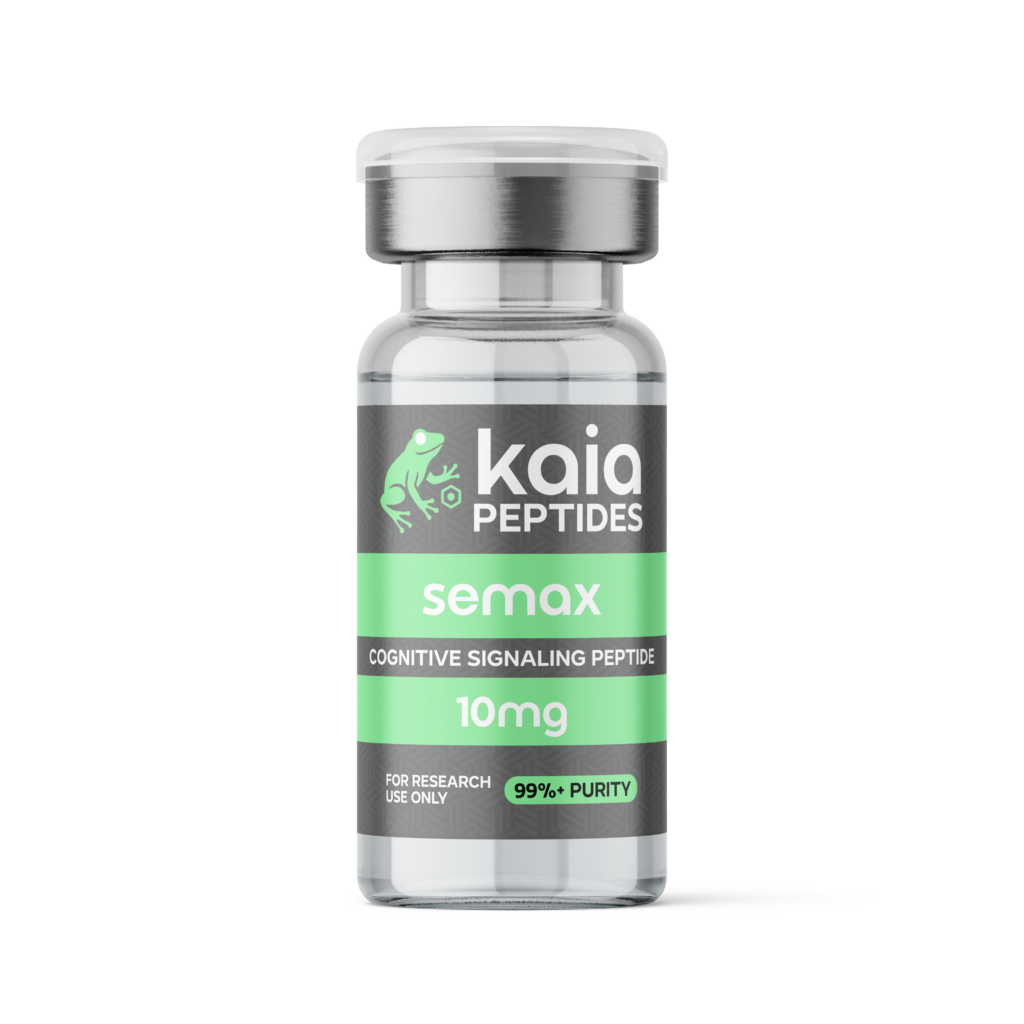
Semax

$ 100

Add to cart
IN STOCK
IN STOCK

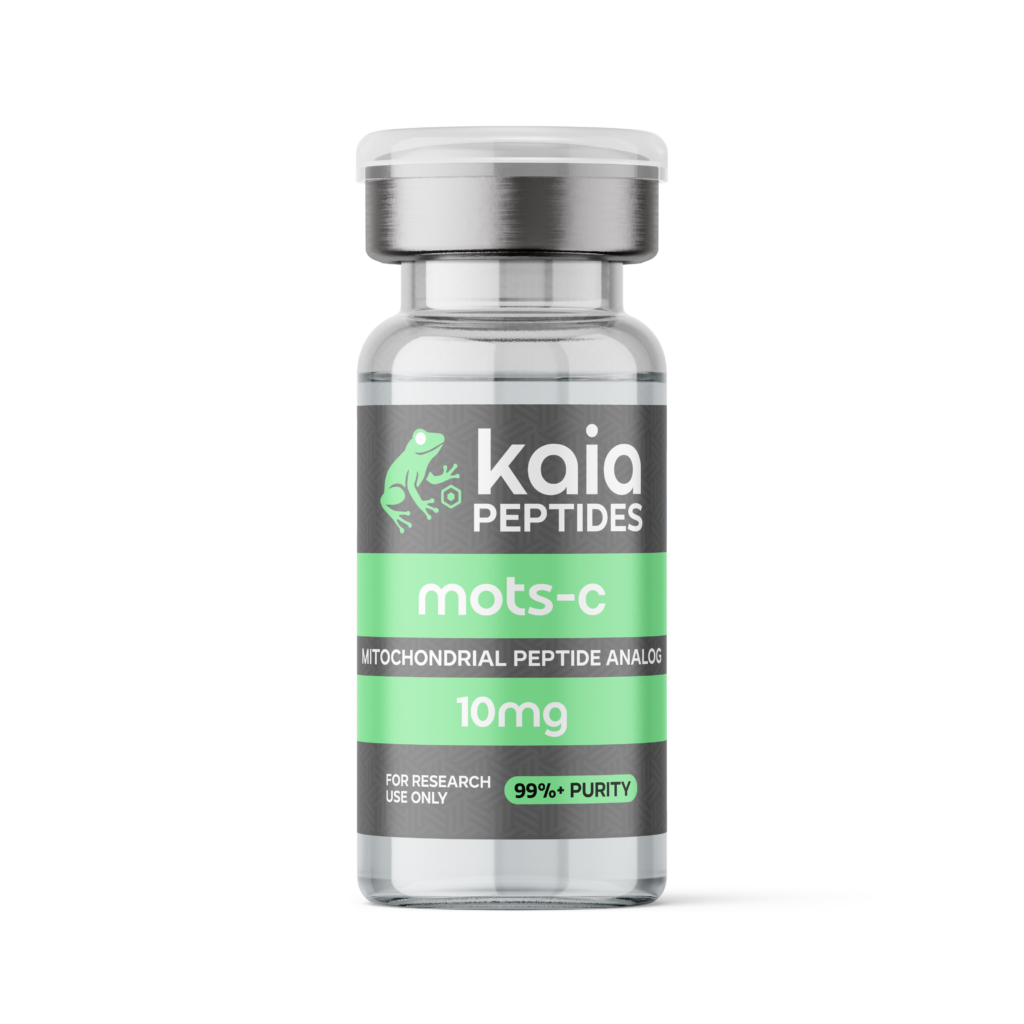
MOTS-C

$ 95

Add to cart
IN STOCK
IN STOCK

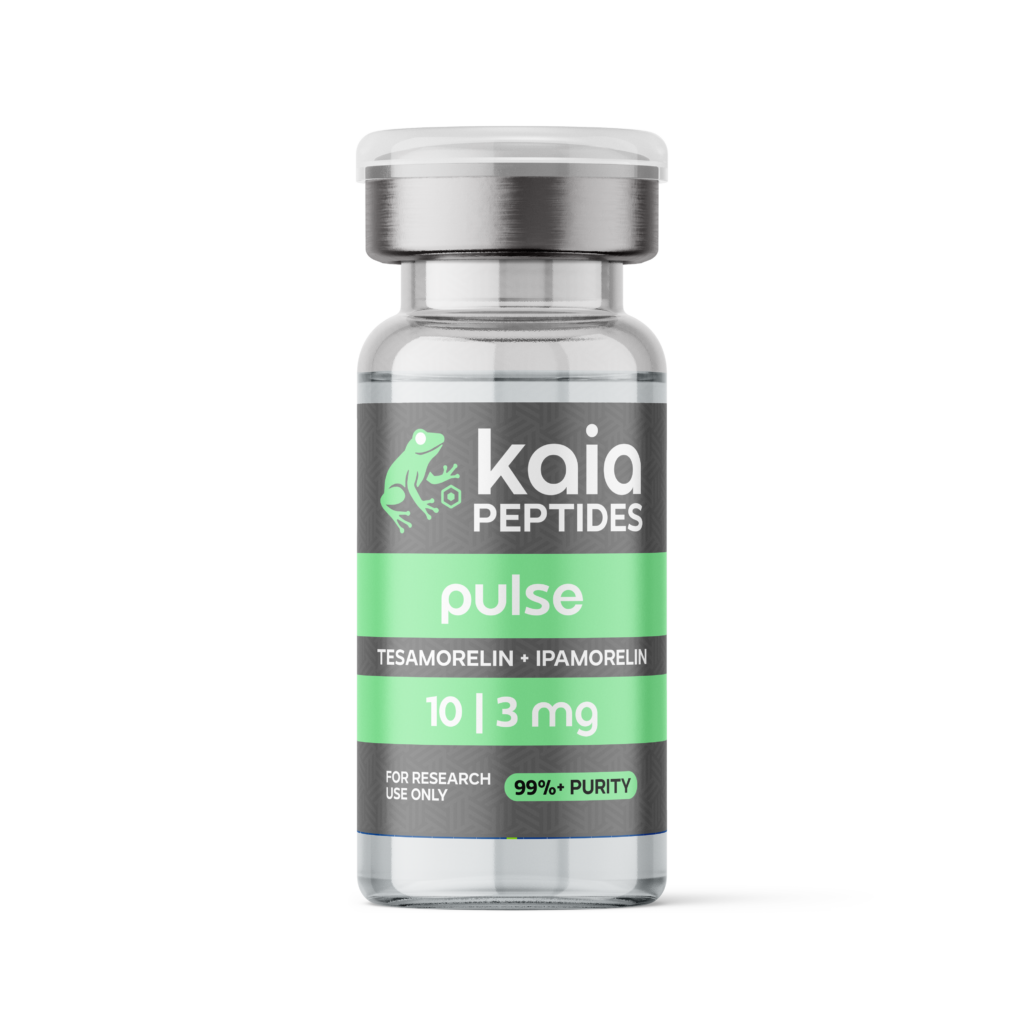
PULSE

$ 125

Add to cart
OUT OF STOCK
OUT OF STOCK

ELEVATE

$ 175

Out of stock

Read more
OUT OF STOCK
OUT OF STOCK

WOLVERINE

$ 115

Out of stock

Read more
OUT OF STOCK
OUT OF STOCK

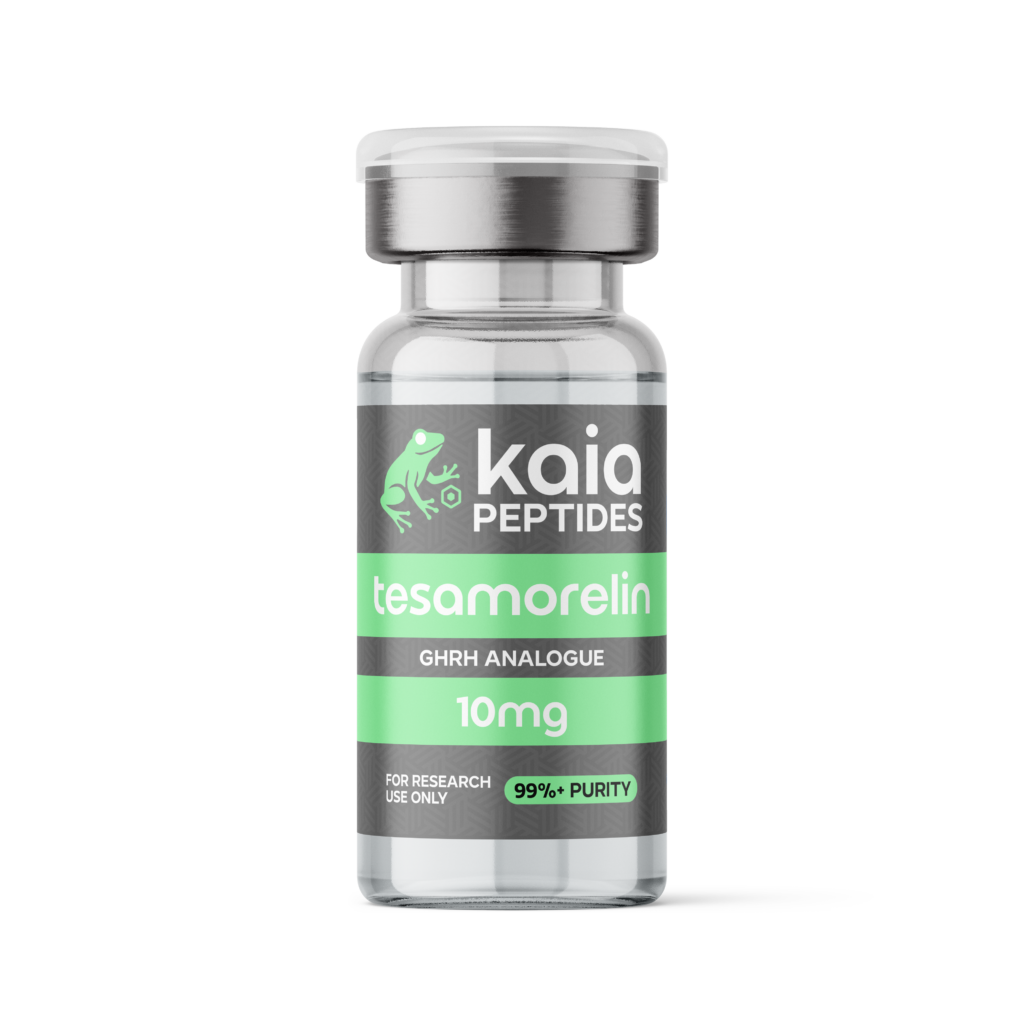
Tesamorelin

$ 135

Out of stock

Read more
OUT OF STOCK
OUT OF STOCK

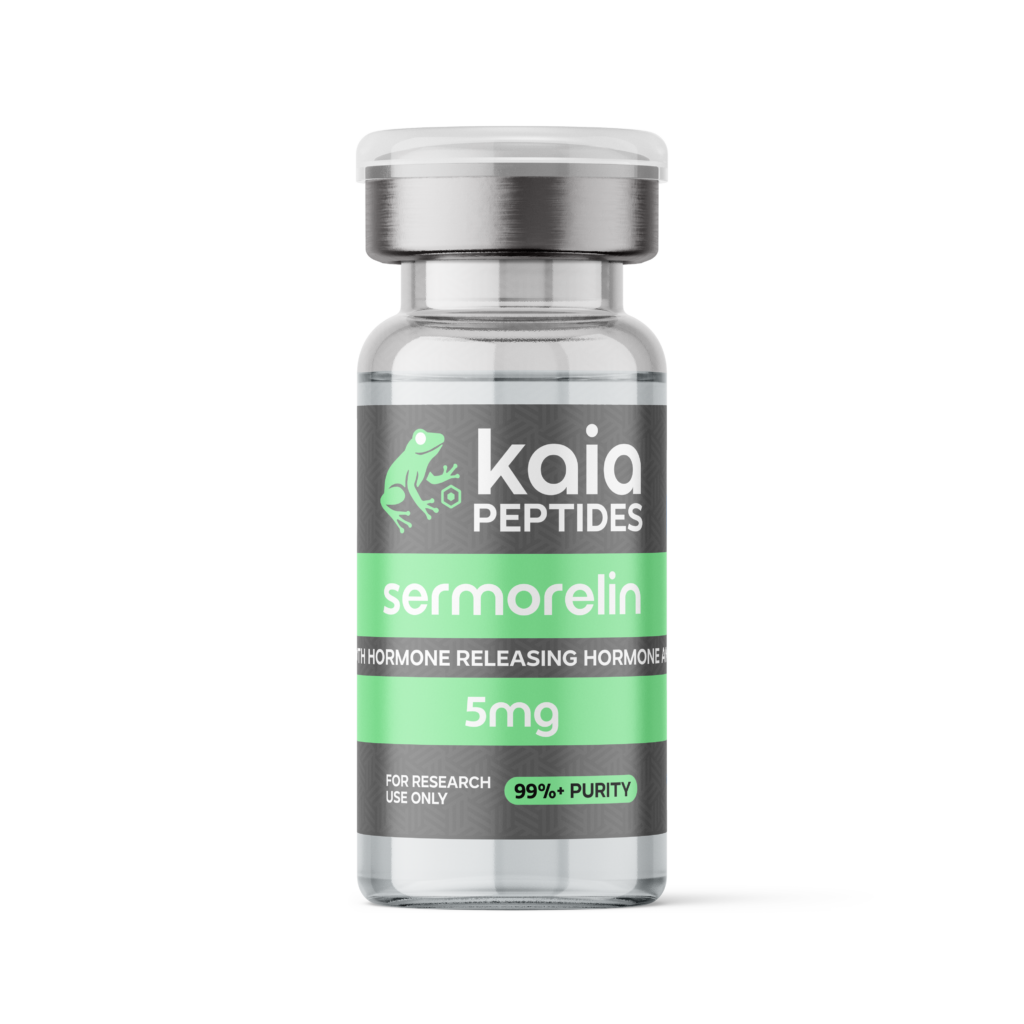
Sermorelin

$ 100

Out of stock

Read more
OUT OF STOCK
OUT OF STOCK

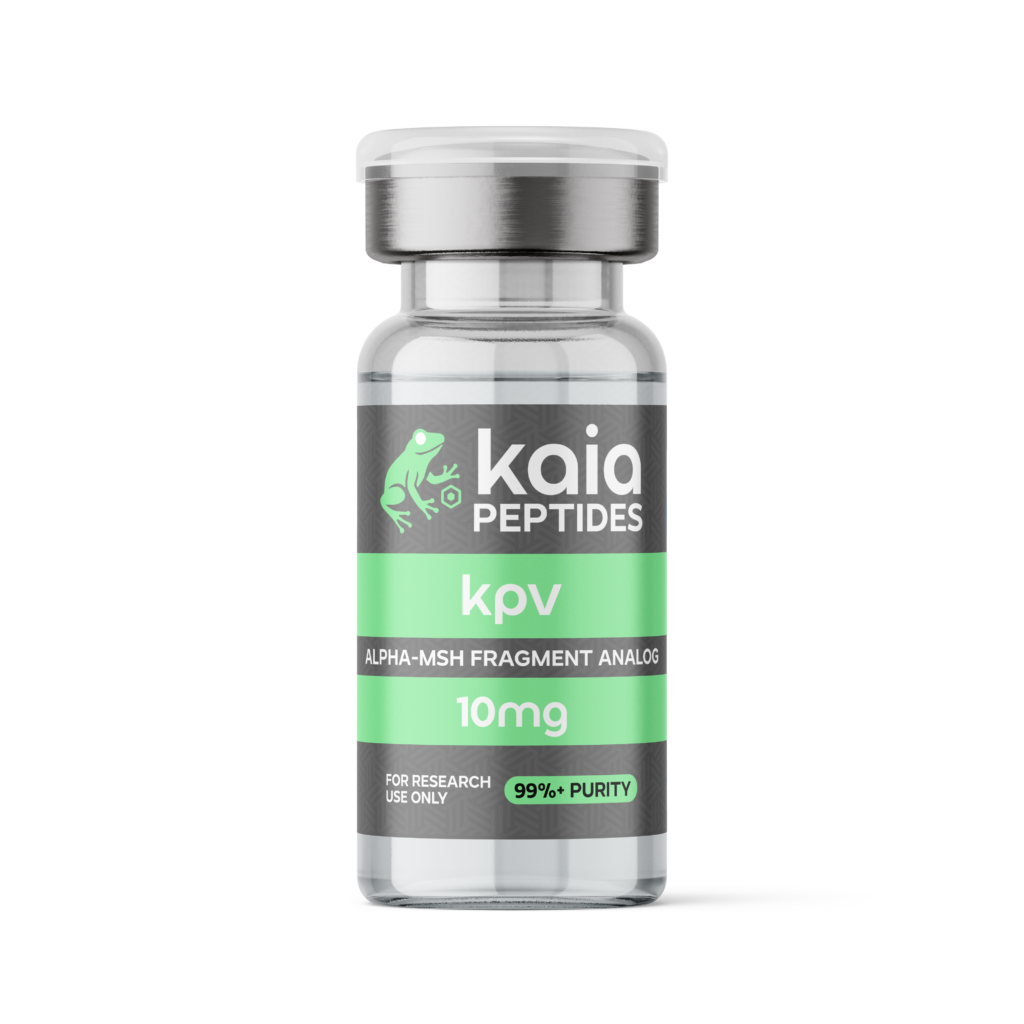
KPV

$ 55

Out of stock

Read more
OUT OF STOCK
OUT OF STOCK

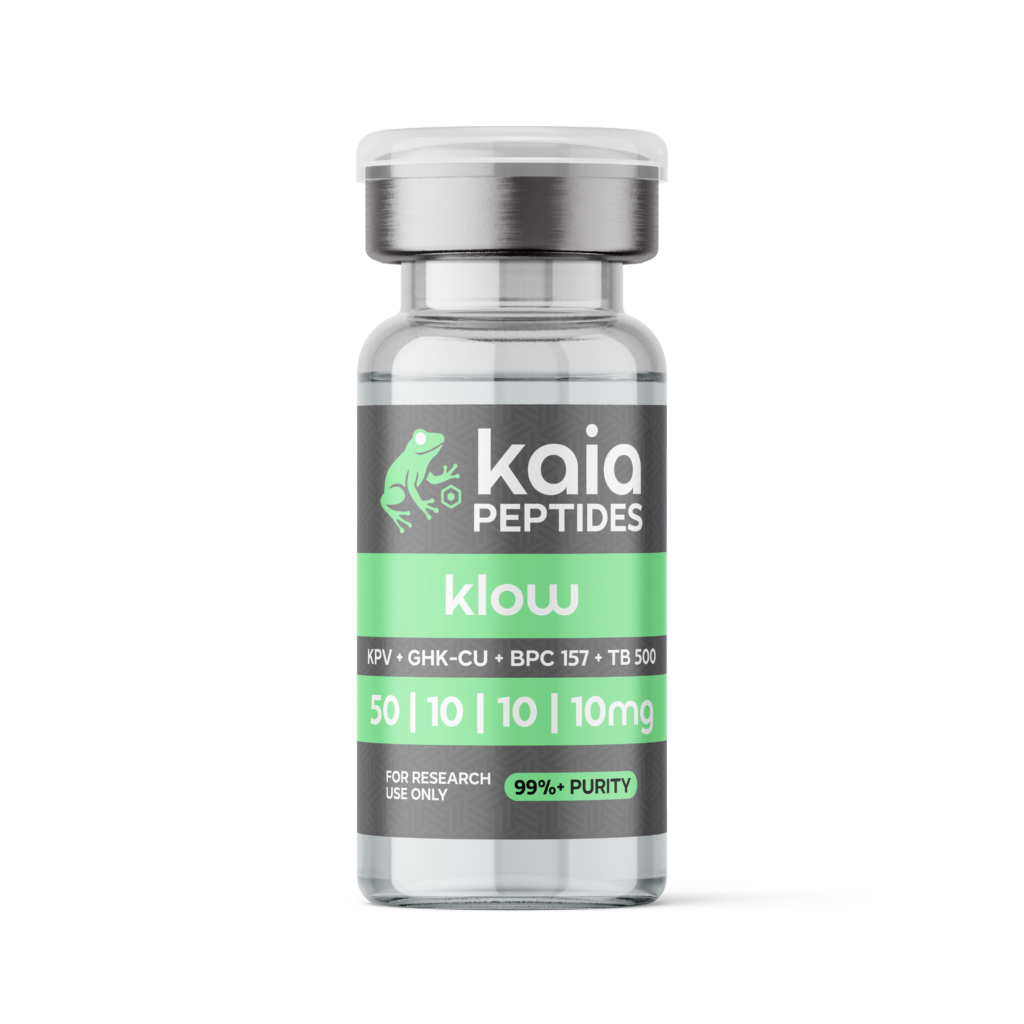
KLOW

$ 275

Out of stock

Read more
OUT OF STOCK
OUT OF STOCK

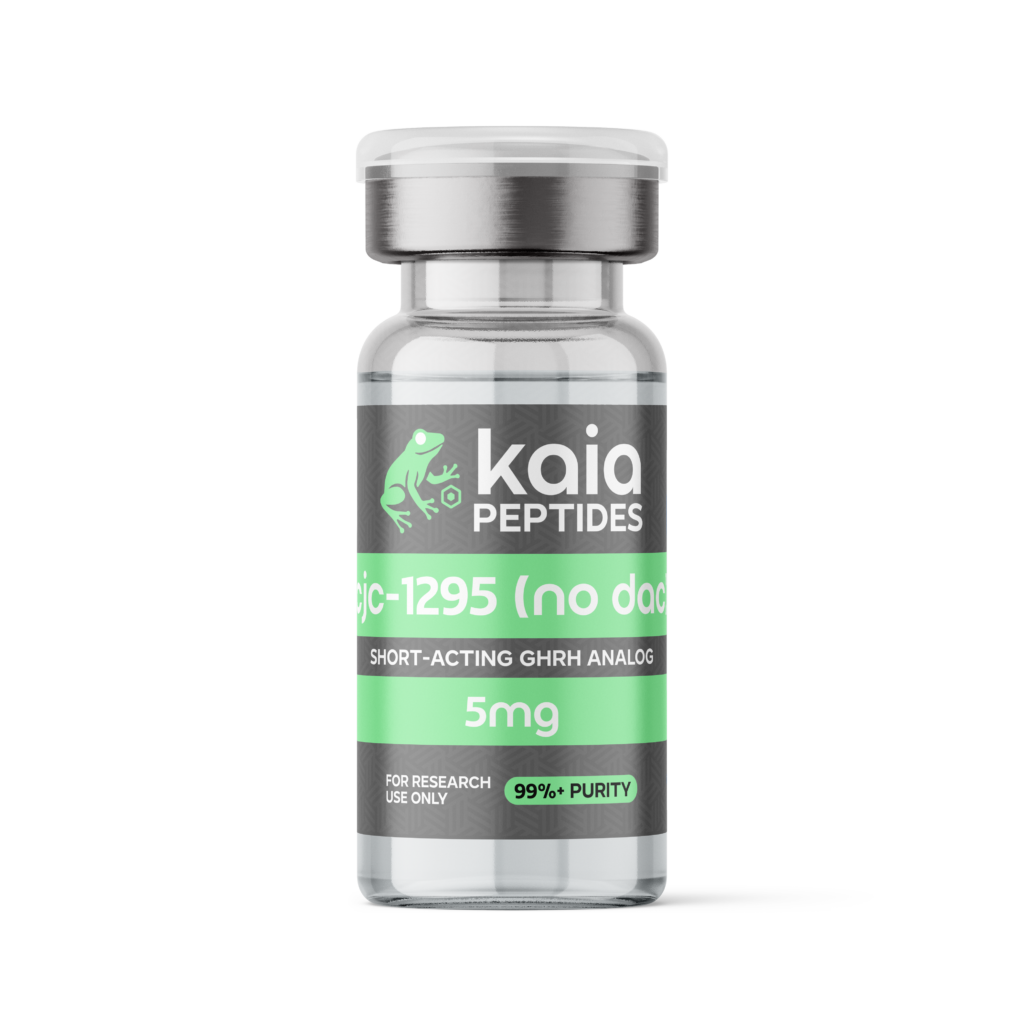
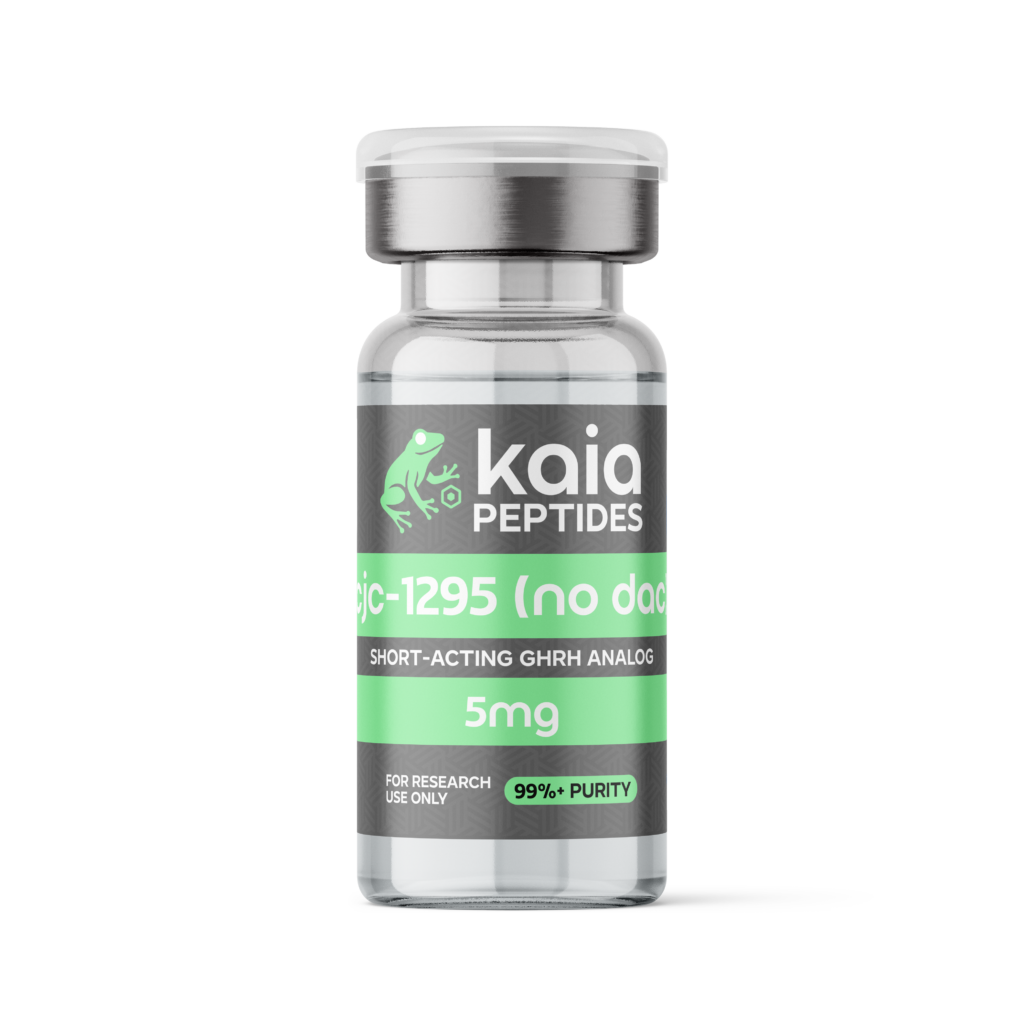
CJC-1295 (No DAC)

$ 85

Out of stock

Read more
OUT OF STOCK
OUT OF STOCK

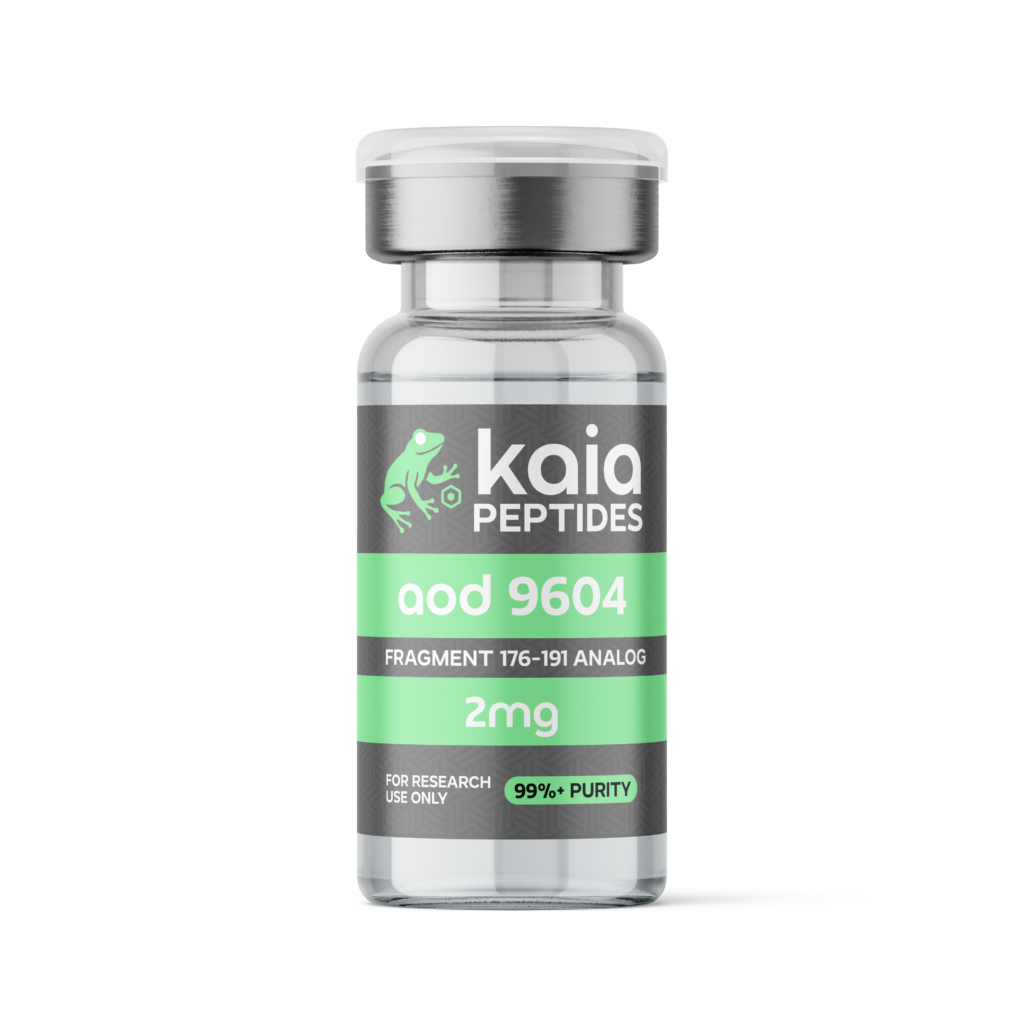
AOD 9604

$ 75

Out of stock

Read more
OUT OF STOCK
OUT OF STOCK

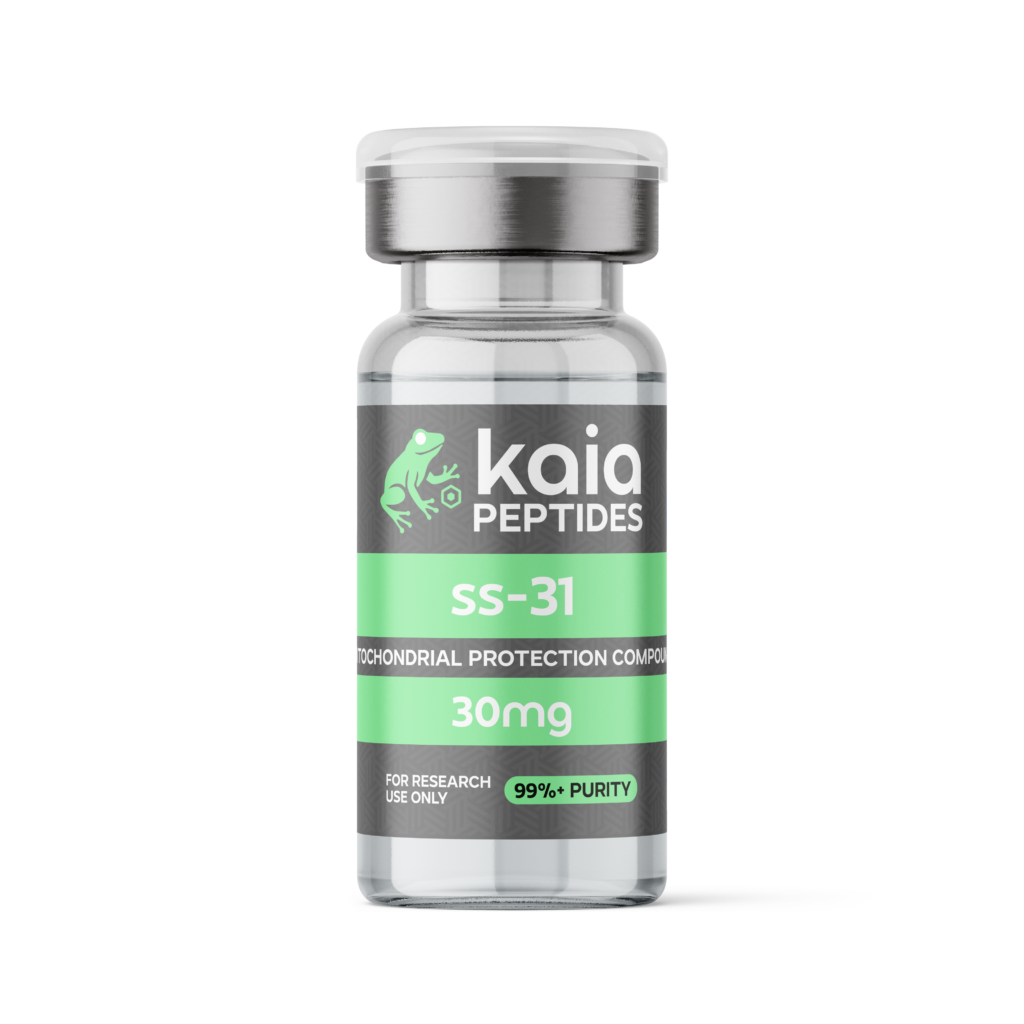
SS-31

$ 145

Out of stock

Read more

FAQs

Find answers to your most pressing questions about peptide categories and their usage.

 
What is the Wolverine Blend? +
The Wolverine Blend is a 1:1 research combination of BPC-157 (5mg) and TB-500 (5mg). Researchers study this pairing to examine how two of the most well known tissue-repair peptides behave when used together — like watching two different repair crews coordinate on the same structural project.
Why is it called the “Wolverine Blend”? +
It’s a nickname researchers use because the blend is studied in pathways related to recovery, tissue remodeling, and cellular repair — metaphorically similar to a rapid restoration process. Kaia makes no claims of therapeutic or human outcomes.
What role does BPC-157 play in the blend? +
In preclinical work, BPC-157 is studied for its potential interaction with: ● angiogenesis (new blood vessel formation) ● gut and tissue protection ● tendon and ligament repair pathways It acts like the project manager, organizing repair signals.
What role does TB-500 play? +
TB-500 (Thymosin Beta-4 fragment) is studied for its involvement in: ● cell migration ● actin regulation ● tissue regeneration patterns Researchers often describe it as the logistics expert, helping cells move where they are needed.
Why combine BPC-157 and TB-500 together? +
Because their pathways complement one another: ● BPC-157 → signals & structural repair ● TB-500 → cell movement & cytoskeletal remodeling Together, researchers observe a more complete “repair ecosystem” — blueprint + workers + movement.
Is this blend used in soft-tissue research? +
Yes. Preclinical models frequently investigate BPC-157 and TB-500 in contexts involving: ● tendons ● ligaments ● muscles ● wound environments It’s like studying how scaffolding and building materials interact during structural restoration.
Does the 5mg + 5mg ratio matter? +
The equal (1:1) ratio is meant to provide balanced concentrations of each peptide, giving researchers a straightforward combination for observing synergistic signals. Think of it as equal parts blueprint and workforce.
How does the Wolverine Blend compare to the GLOW Blend? +
● Wolverine Blend = tissue repair + cell migration (no GHK-Cu) ● GLOW Blend = adds collagen and skin-remodeling pathways via GHK-Cu Wolverine is the “core repair” duo; GLOW is the “repair + refinement” trio.
Is BPC-157 + TB-500 considered safe in animal studies? +
Preclinical research suggests favorable safety profiles individually and in combination, but: ● not FDA-approved ● not for human or veterinary use ● for laboratory research only Kaia follows these compliance rules strictly.
What biological systems are examined with this blend? +
Researchers study the Wolverine Blend in relation to: ● soft tissue remodeling ● angiogenesis ● cellular migration ● structural recovery It’s like observing how a city rebuilds roadways, bridges, and support beams at once.
How should the Wolverine Blend be stored for research? +
Store sealed, cool, and protected from light. Refrigeration is recommended; freezing is ideal for long-term structural integrity. Peptides behave like fragile engineering schematics — they stay accurate when kept cold.
Is the Wolverine Blend legal to purchase for research? +
Yes — as long as it is sold and used strictly for laboratory research. Kaia Peptides does not market or distribute any peptide for medical, therapeutic, or human use.