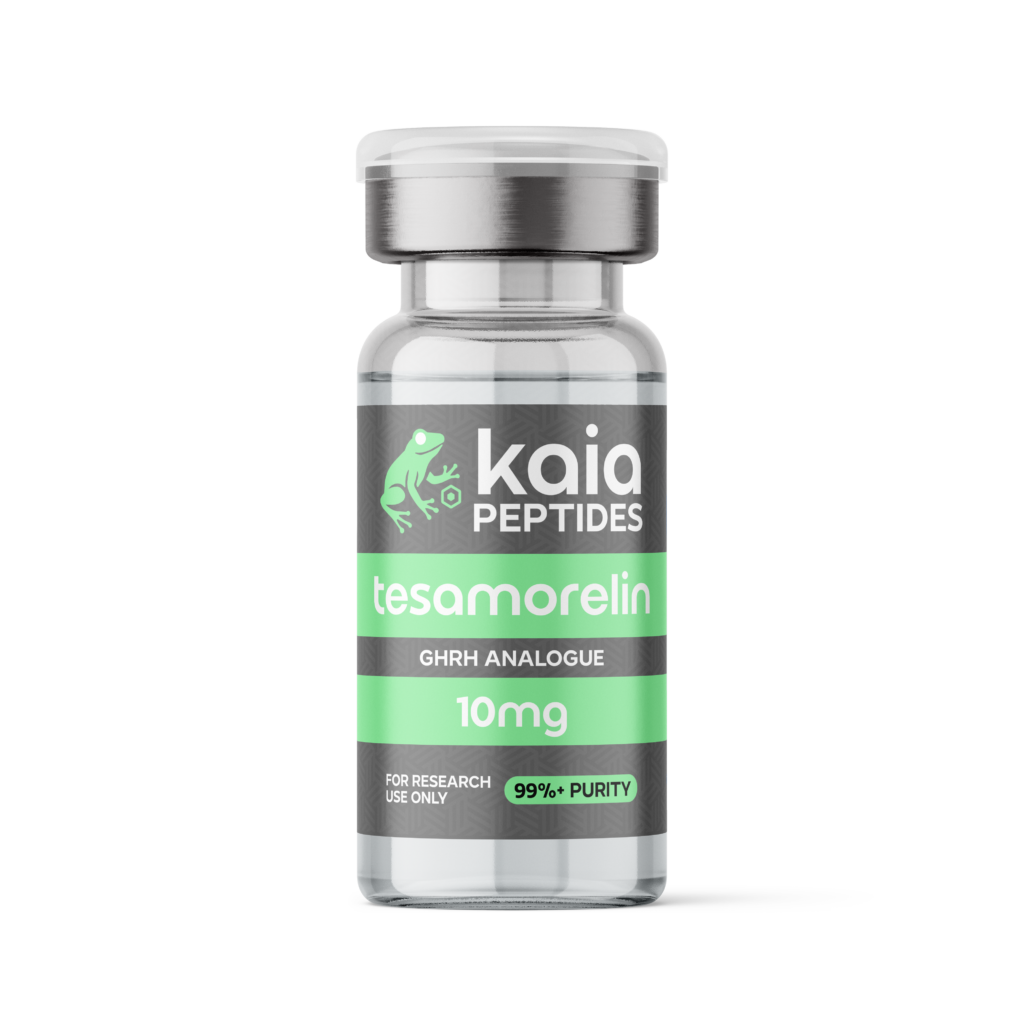
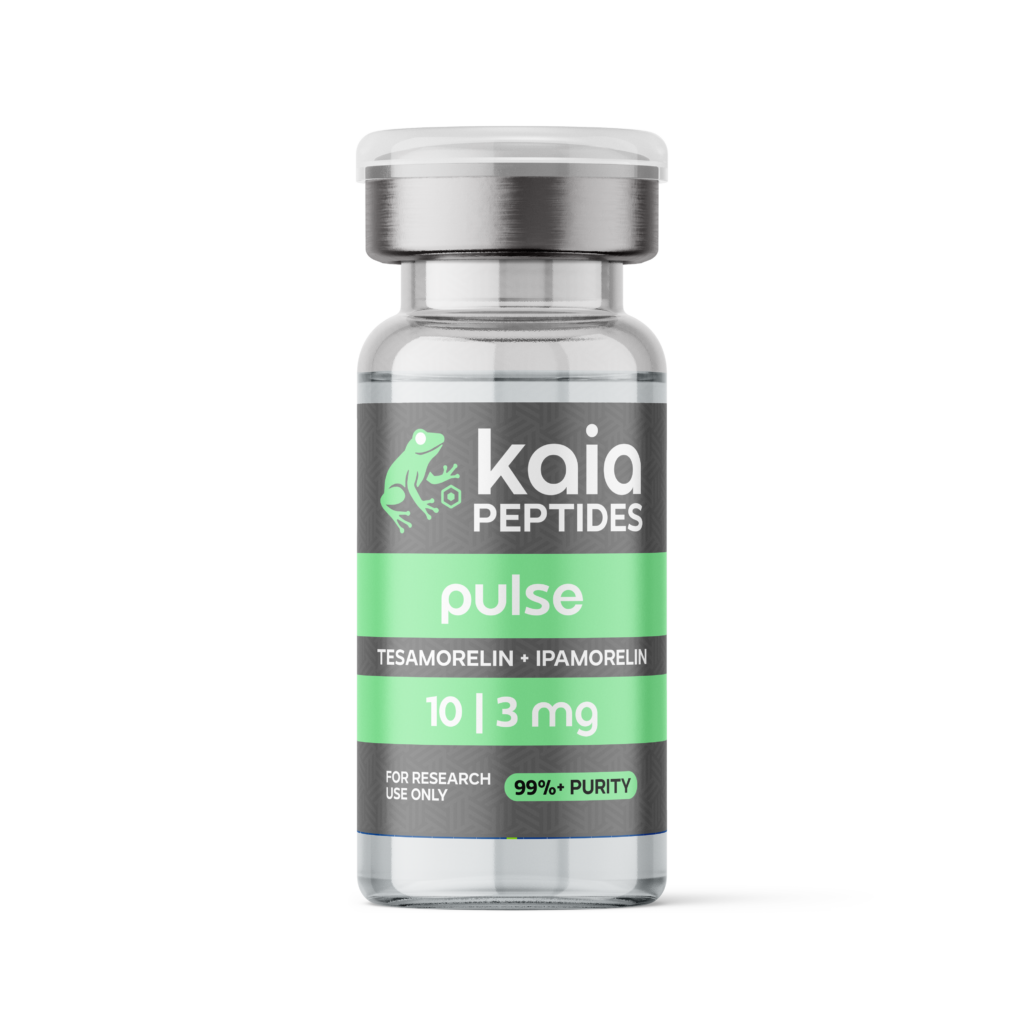
Tesamorelin
GHRH Analog – GH Pulse Dynamics, IGF-1 Pathway Modeling & Visceral-Fat–Related Research
For laboratory research use only. Not for human or animal use. These products have not been evaluated by the U.S. Food and Drug Administration (FDA) and are not intended to diagnose, treat, cure, or prevent any disease.
What Is Tesamorelin?
Tesamorelin is a synthetic Growth Hormone–Releasing Hormone (GHRH) analog widely used in laboratory research to study:
-
Pulsatile GH-signaling behavior
-
IGF-1 pathway modulation in controlled models
-
Fat-storage and visceral-fat pathway mechanisms
-
Metabolic-signaling patterns
-
Tissue-model recovery and structural-response activity
-
Sleep-linked GH cycle dynamics
Because of its extended structure, Tesamorelin produces a longer and stronger GHRH-like signal than many classical analogs such as Sermorelin — making it valuable for studying enhanced GH-pulse frameworks in research environments.
Understanding Tesamorelin — A Metaphorical Research Analogy
To visualize how Tesamorelin functions in a research context, imagine a large distribution-center model used by scientists to represent energy-storage behavior.
In this analogy:
-
Surface storage = easily accessible data
-
Deep storage = tightly regulated, harder-to-access pathways (often used to symbolize visceral-fat models)
Deep storage compartments may remain “locked,” causing:
-
Slower signaling dynamics
-
Reduced model efficiency
-
Limited flow of stored resources
-
Dampened communication pathways
Introducing Tesamorelin to the model is like adding a specialized signal capable of opening these deeper storage vaults — allowing researchers to observe how the system behaves when new pathways become accessible.
• Tesamorelin as the “Master Key Signal” (GH Pulse Modeling)
In research analogies, Tesamorelin acts like a high-fidelity signal that:
-
Initiates strong GH-pulse cascades
-
Demonstrates enhanced potency compared to classic GHRH analogs
-
Helps researchers examine the timing, amplitude, and duration of GH-linked pathways
This “master key” concept represents how GH signaling can unlock downstream processes in controlled experiments.
• Opening Deep Storage Compartments (Visceral-Fat Pathway Research)
Once GH signaling increases, researchers can observe:
-
Activation of deeper pathway models
-
Mobilization patterns within visceral-fat research frameworks
-
Shifts in how “storage compartments” respond when unlocked
This is why Tesamorelin is frequently used in studies focusing on abdominal and visceral-fat dynamics.
• Supporting the “Warehouse Workers” (IGF-1 Signaling Research)
Many research models show coordinated changes in IGF-1 pathways when GH increases.
Using the analogy:
This helps represent:
All observed strictly within laboratory environments.
• Strengthening the “Night Shift” (Sleep-Cycle GH Research)
Because GH pulses naturally spike during rest cycles, Tesamorelin allows researchers to study:
-
Nocturnal GH pulse-timing
-
Regeneration-model behavior
-
Metabolic-cycle signaling patterns during simulated “nighttime” phases
Combined Research Perspective
When examined through this metaphorical lens, Tesamorelin helps scientists:
-
Map GH-pulse characteristics
-
Explore visceral-fat pathways
-
Analyze IGF-1–linked repair models
-
Observe metabolic-signaling dynamics
-
Understand full-system communication patterns
All without implying any human therapeutic outcome.
For Research Use Only.
Not for human consumption. Not for medical, therapeutic, or veterinary use.
Descriptions are for laboratory, scientific, and educational reference only.