Dual GH-Pathway Research Blend – Signal Coordination, Pulse Modeling & Multi-Layer Pathway Analysis
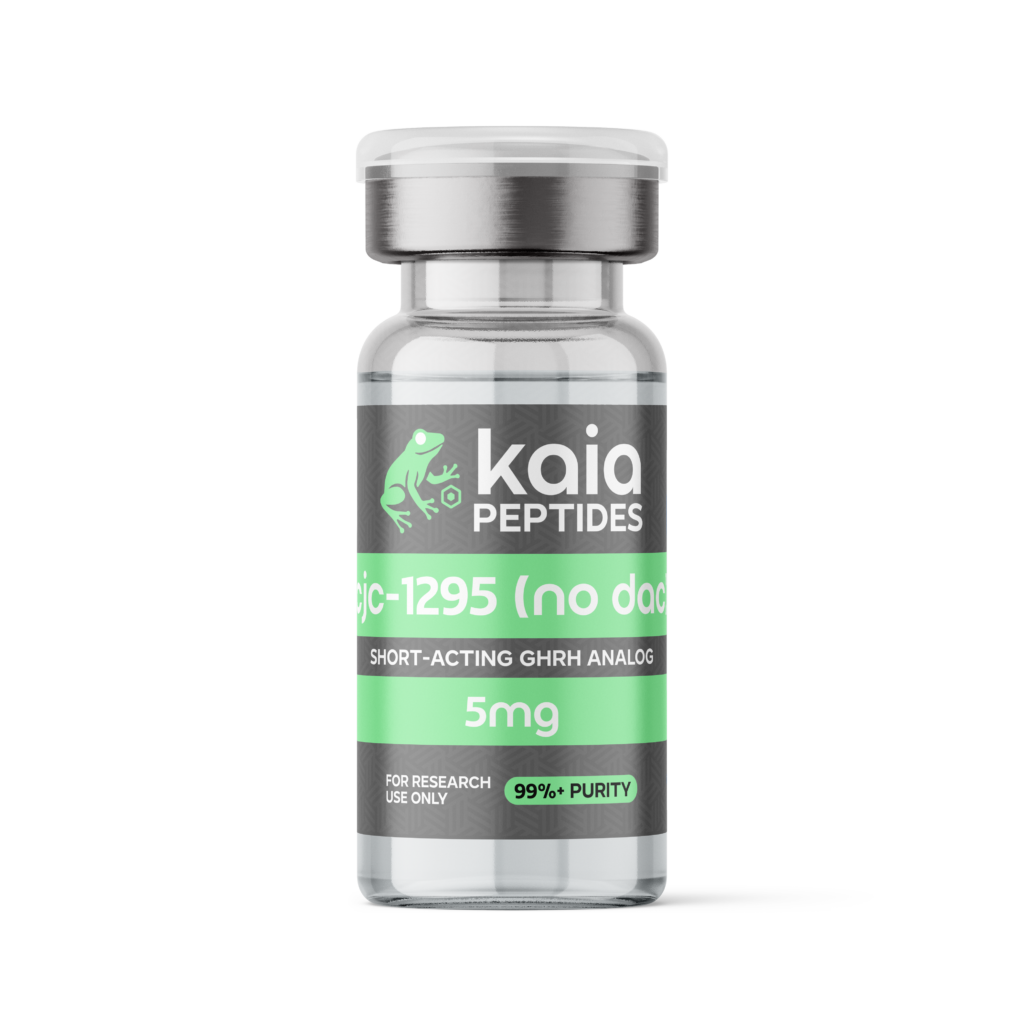
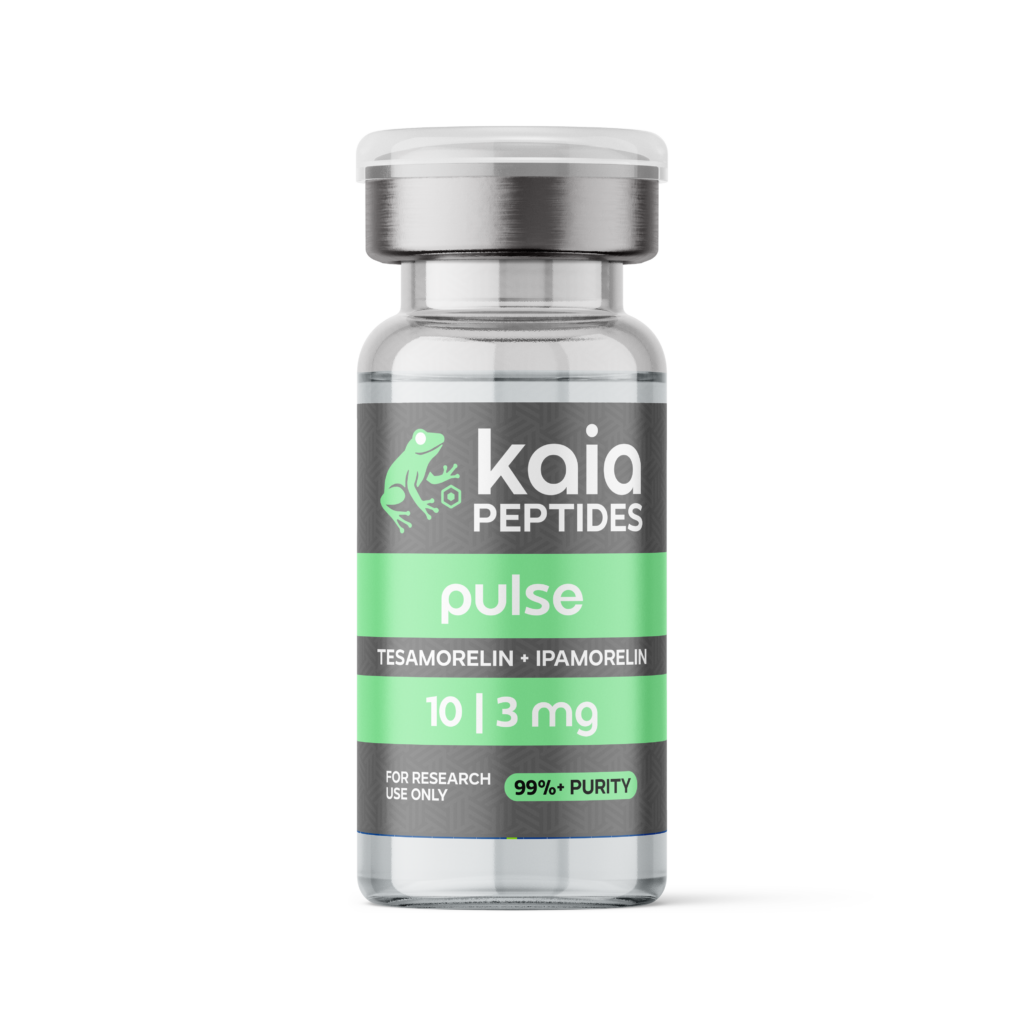
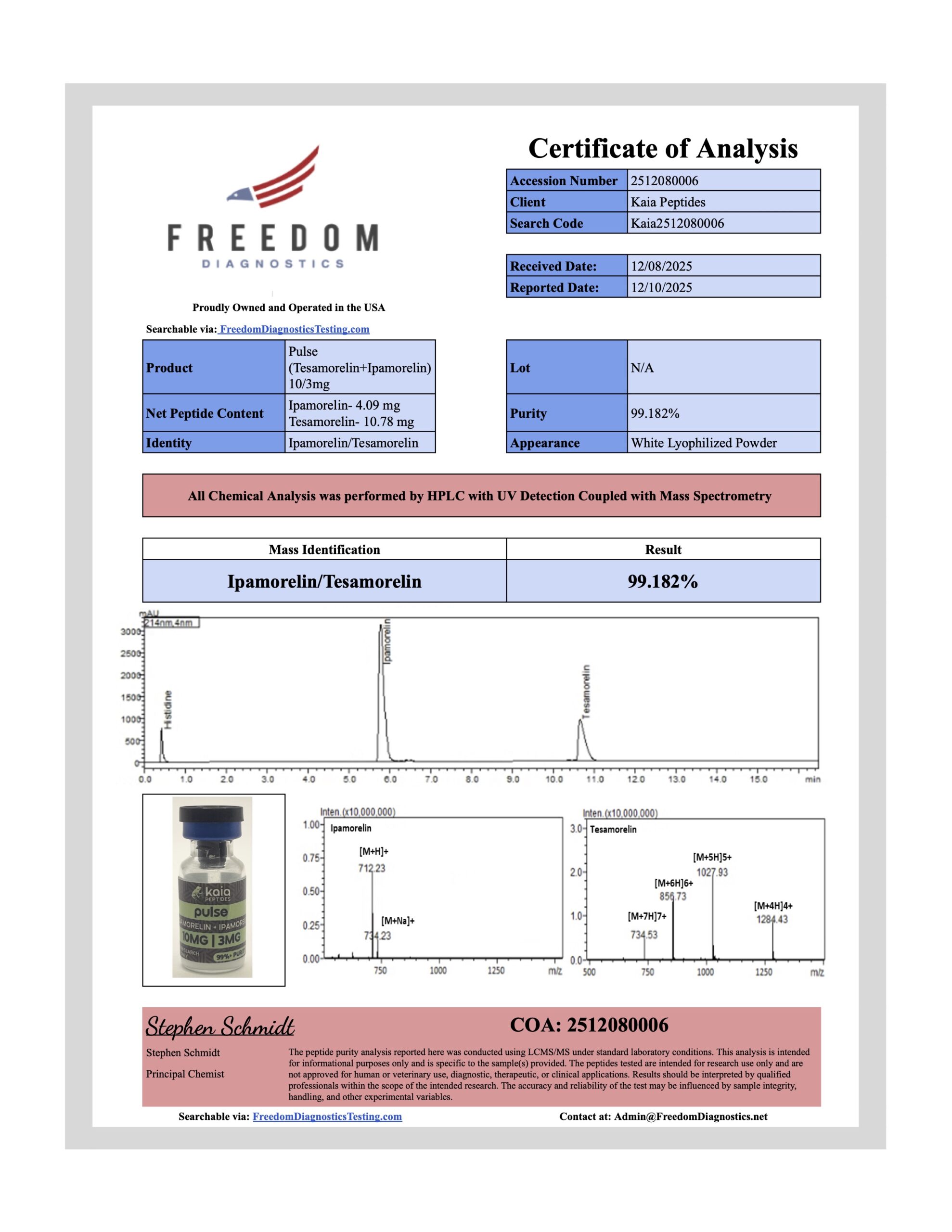
This blend includes two peptides commonly studied together in laboratory settings to examine how multiple growth-hormone–related pathways interact.
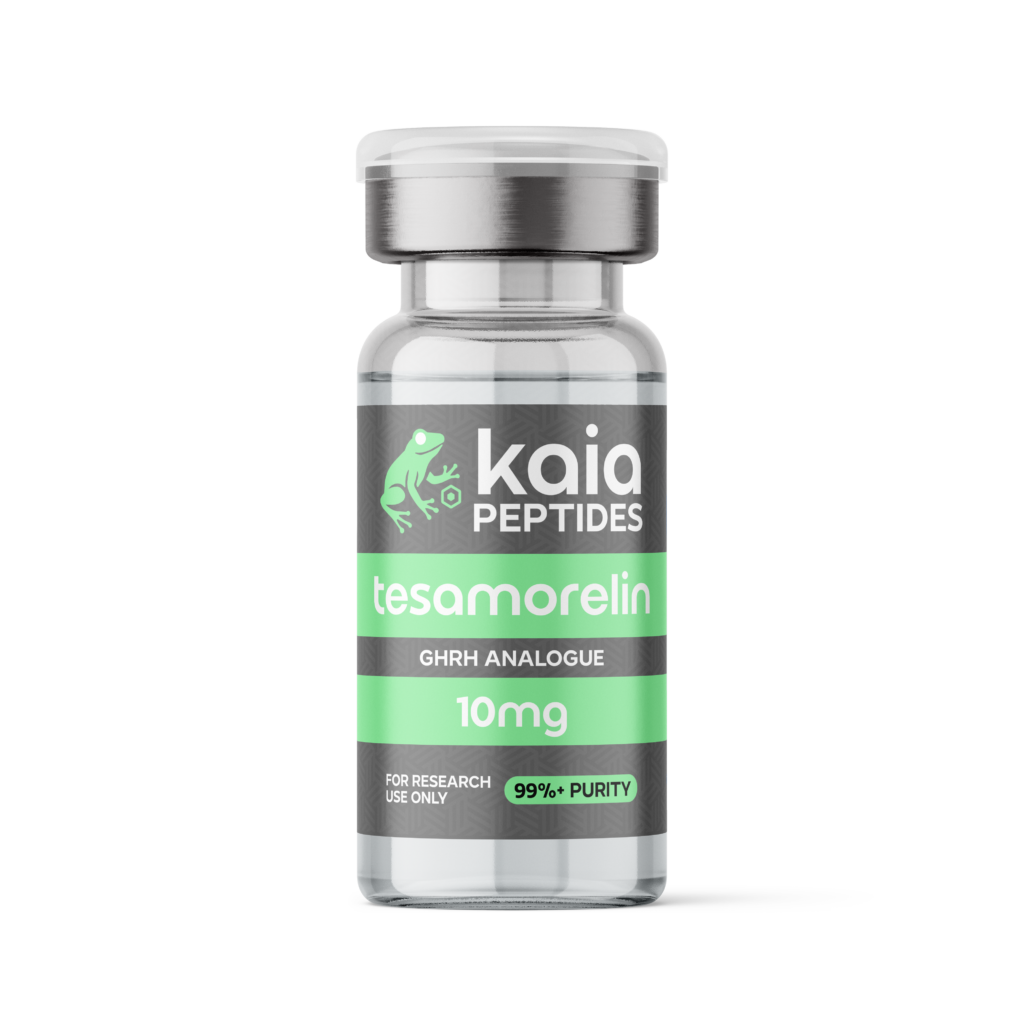
A synthetic Growth Hormone–Releasing Hormone (GHRH) analog frequently used in research to explore:
GH pulse stimulation models
IGF-1 pathway activity
Visceral-fat–related signaling mechanisms
Structural and tissue-response models
Extended GHRH signaling due to its stabilized structure
A selective growth-hormone secretagogue (GHS) studied for:
Targeted GH pulse release
Receptor-specific signaling behavior
Clean, focused pathway activation without cross-reactivity
Its gentle and selective profile in GH-related research
Together, researchers use this blend to observe how a GHRH analog and a GHS work in parallel or in sequence, offering a clearer picture of dual-pathway GH signaling in controlled environments.
To conceptualize how these peptides function in research models, imagine a highly complex skyscraper system used to symbolize layered biological structures.
In this analogy:
Rooms = structural components
Hallways = communication pathways
Beams = connective frameworks
Energy systems = metabolic signaling
Debris = accumulated stress in test models
Throughout a research cycle, the skyscraper can show:
Slower signal flow
Diminished responsiveness
Structural stress points
Reduced communication efficiency
Researchers introduce Tesamorelin and Ipamorelin into this model to study how coordinated signaling can enhance internal “repair simulations.”
In this experimental analogy, Tesamorelin acts like a blueprint-level instruction cue.
Its role represents:
Initiating major GH-pulse cascades
Activating core signaling hubs
Influencing deeper storage and metabolic pathways
Providing the “macro” direction for downstream events
It tells the system: “Begin the primary sequence.”
Ipamorelin is the selective modulator — the finely tuned component that:
Organizes targeted GH release
Maintains clean signaling without excess noise
Avoids stimulating unrelated pathways
Provides precise control over pulse behavior
In the analogy, it ensures that once the architect sends the blueprint, the work proceeds smoothly, cleanly, and with minimal stress signals.
In laboratory research, combining these two peptides allows scientists to observe:
How macro-level GHRH signaling synchronizes with micro-level GHS signaling
Whether GH pulses change in amplitude, duration, or timing
Dual-pathway coordination in complex biochemical models
Structural response differences compared to single-pathway activation
Multi-layer signaling effects on metabolic pathway simulations
The architect (Tesamorelin) provides the big-picture direction.
The foreman (Ipamorelin) ensures execution is precise and optimized.
This analogy helps researchers visualize how the two peptides can create complementary signaling dynamics within controlled experimental environments.
For Research Use Only.
For laboratory research use only. Not for human or animal use. These products have not been evaluated by the U.S. Food and Drug Administration (FDA) and are not intended to diagnose, treat, cure, or prevent any disease.