99%+ Purity • American Lab Tested • Free shipping $250+ • For Research Use Only Dismiss

NAD+

IN STOCK
IN STOCK

$ 165

Quantity

Product Discription

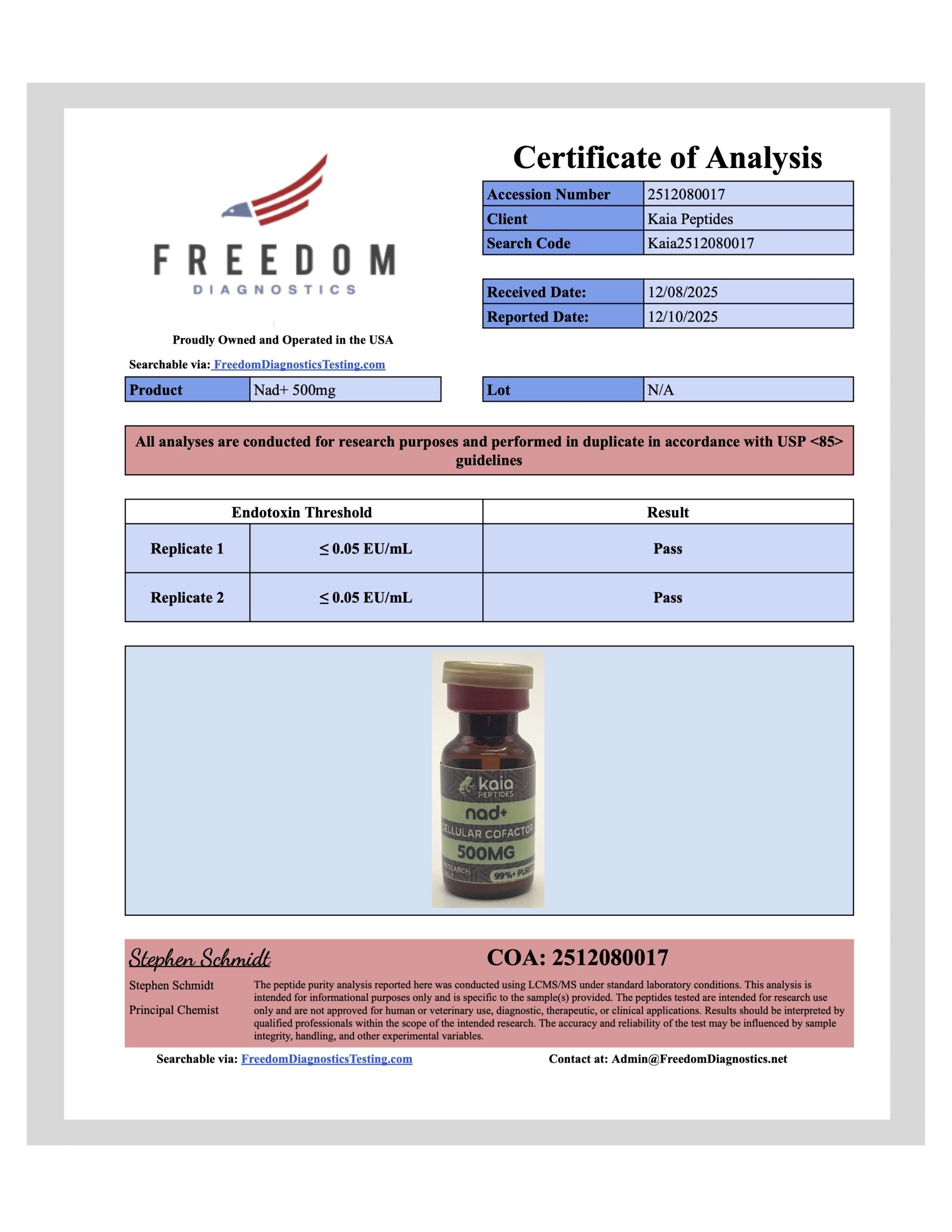
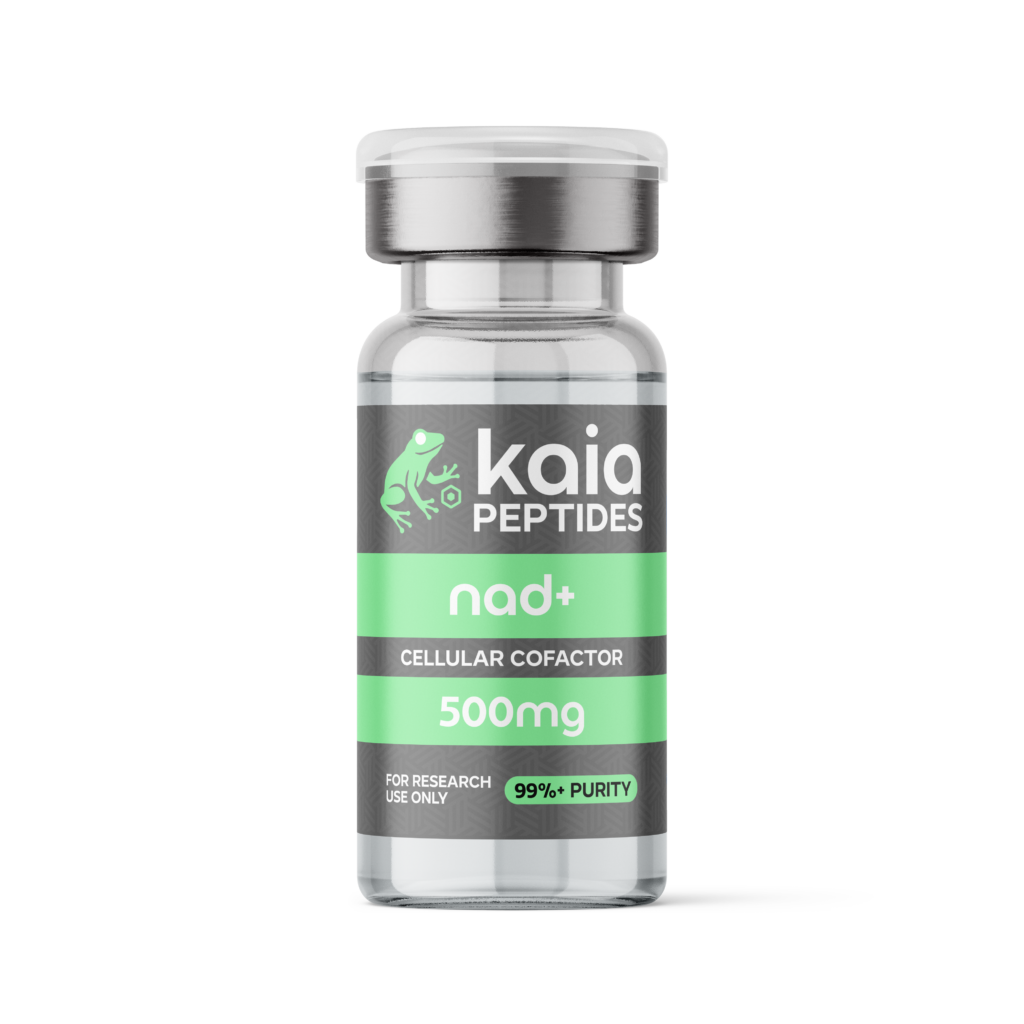
NAD+ (500mg)

Nicotinamide Adenine Dinucleotide – Cellular Energy Pathway Modeling, DNA-Repair Studies & Longevity-Signal Research

NAD+ - Kaia Peptides NAD+ - Kaia Peptides

For laboratory research use only. Not for human or animal use. These products have not been evaluated by the U.S. Food and Drug Administration (FDA) and are not intended to diagnose, treat, cure, or prevent any disease.

What Is NAD+

NAD+ (Nicotinamide Adenine Dinucleotide) is an essential coenzyme found in all living cells.
In laboratory research, NAD+ is widely studied for its role in:

  • Mitochondrial ATP-production pathways

  • DNA-repair mechanisms

  • Sirtuin activation and longevity-related signaling

  • Cellular stress-response behavior

  • Metabolic-function modeling

  • Age-related NAD+ decline simulations

Researchers often explore how NAD+ influences cellular energy dynamics, genomic stability, metabolic signaling, and circadian or stress-regulated processes in controlled environments.


Understanding NAD+ — A Metaphorical Research Analogy

Imagine a futuristic city used as a metaphor for a cell.

Inside every building is a small generator — a mitochondrion — and each generator requires a special fuel to operate.

That fuel is NAD+.

When NAD+ is plentiful in research models:

  • The city’s lights (energy pathways) shine brightly

  • Traffic (metabolic flow) moves smoothly

  • Repair crews (DNA-repair systems) operate efficiently

  • Communication between districts (cellular signaling) stays strong

When NAD+ becomes depleted in experimental aging models:

  • Generators slow

  • Lights dim

  • Repair rates decrease

  • Communication falters

  • The system behaves sluggishly and becomes more reactive to stress

This is why NAD+ is considered a core molecule in longevity and metabolic research.


What NAD+ Does — Through a Research Lens

• It Powers the Generators (ATP-Production Pathways)

Mitochondria require NAD+ to generate ATP through oxidative phosphorylation.
Researchers study:

  • ATP output changes

  • Mitochondrial efficiency

  • Redox cycling

  • Energy-metabolism models

In the analogy, more NAD+ = more electricity for the city.


• It Activates the Elite Repair Crew (Sirtuin-Signaling Research)

Sirtuins are enzyme families involved in genomic maintenance.
NAD+ is required for sirtuin activity.

Researchers use NAD+ to study:

  • DNA-repair pathways

  • Chromatin regulation

  • Stress-response mechanisms

  • Longevity-associated gene expression

This is like enabling an elite team of engineers who restore damaged buildings in the DNA “library.”


• It Coordinates Emergency Responses (Cellular-Stress Signaling)

NAD+ participates in multiple stress-response cascades.

Scientists evaluate NAD+ for:

  • PARP activation models

  • Oxidative-stress signaling

  • Cell-damage communication pathways

  • Immune and inflammatory signal responses

This helps “dispatch” repair crews rapidly and coherently throughout the city.


• It Supports Aging and Decline Models (Longevity Research)

In many species, NAD+ levels naturally decline with age.

Laboratories use NAD+ to study:

  • Age-related metabolic changes

  • Circadian-rhythm alterations

  • Energy efficiency over time

  • Cellular-senescence mechanisms

The metaphor: higher NAD+ levels correspond to cities that maintain more consistent power and infrastructure over longer periods.


Primary Research Focus Areas

(Generalized from published scientific literature — with no human claims)

• Cellular Energy Pathways

  • Required for ATP production

  • Supports mitochondrial redox cycling

  • Helps maintain energy balance in models

• DNA Repair & Genomic Stability

  • Cofactor for PARPs and sirtuins

  • Used to examine oxidative DNA-damage response

  • Studied for maintaining long-term cellular integrity

• Longevity Pathways

  • Activation of sirtuin-related pathways

  • Modeling healthy-aging mechanisms

  • Evaluating age-related NAD+ declines

• Neurocognitive Signaling

  • Supports neuronal energy metabolism

  • Used in cognitive-function model studies

  • Supports research on neurochemical resilience

Common Laboratory Research Applications

  • Mitochondrial-function experiments

  • Longevity and lifespan-model studies

  • DNA-repair pathway analysis

  • Oxidative-stress and inflammation modeling

  • Cognitive and neural-signal research

  • Cellular-energy and metabolism frameworks


For Research Use Only.
Not for human consumption. Not for medical, therapeutic, or veterinary use.
Descriptions are for laboratory, scientific, and educational reference only.

Explore

Discover Our Range of Peptide Solutions

IN STOCK
IN STOCK

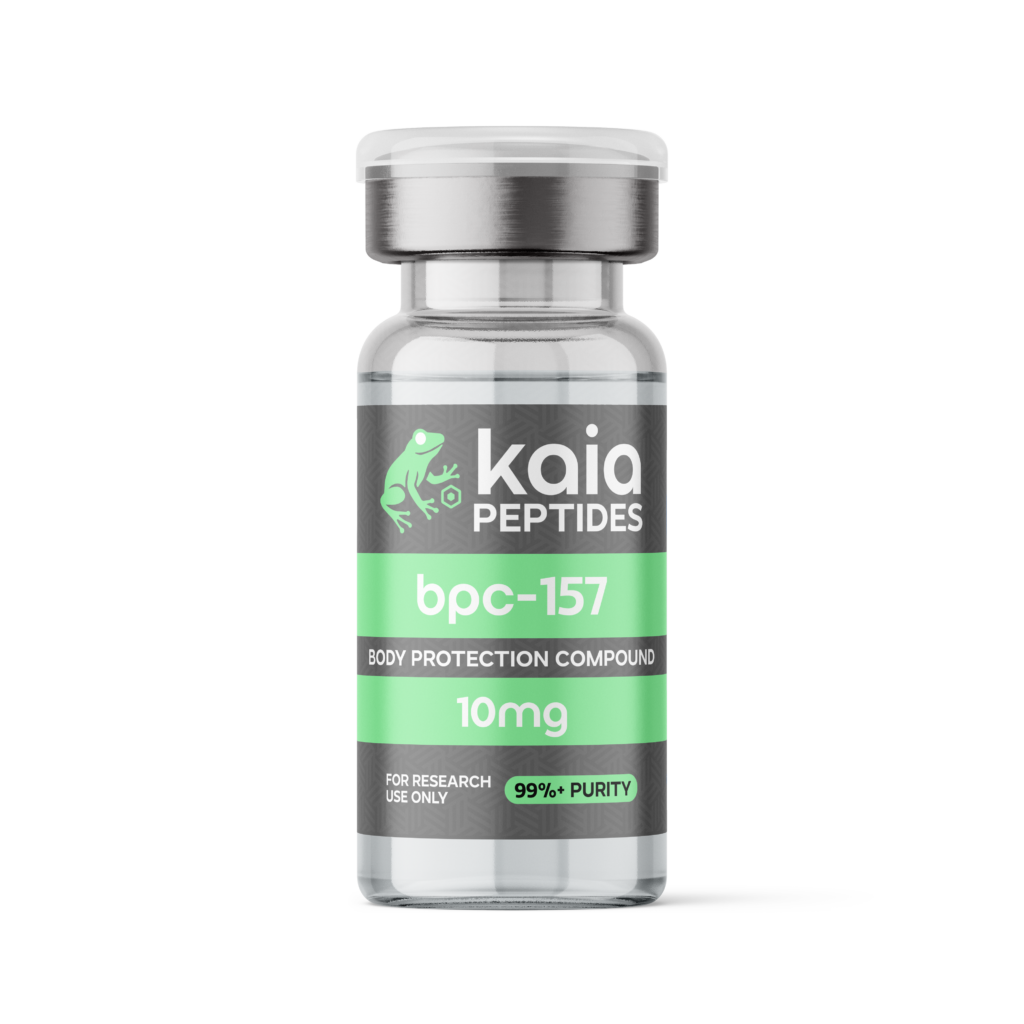
BPC-157

$ 95

Add to cart
IN STOCK
IN STOCK

NAD+

$ 165

Add to cart
IN STOCK
IN STOCK

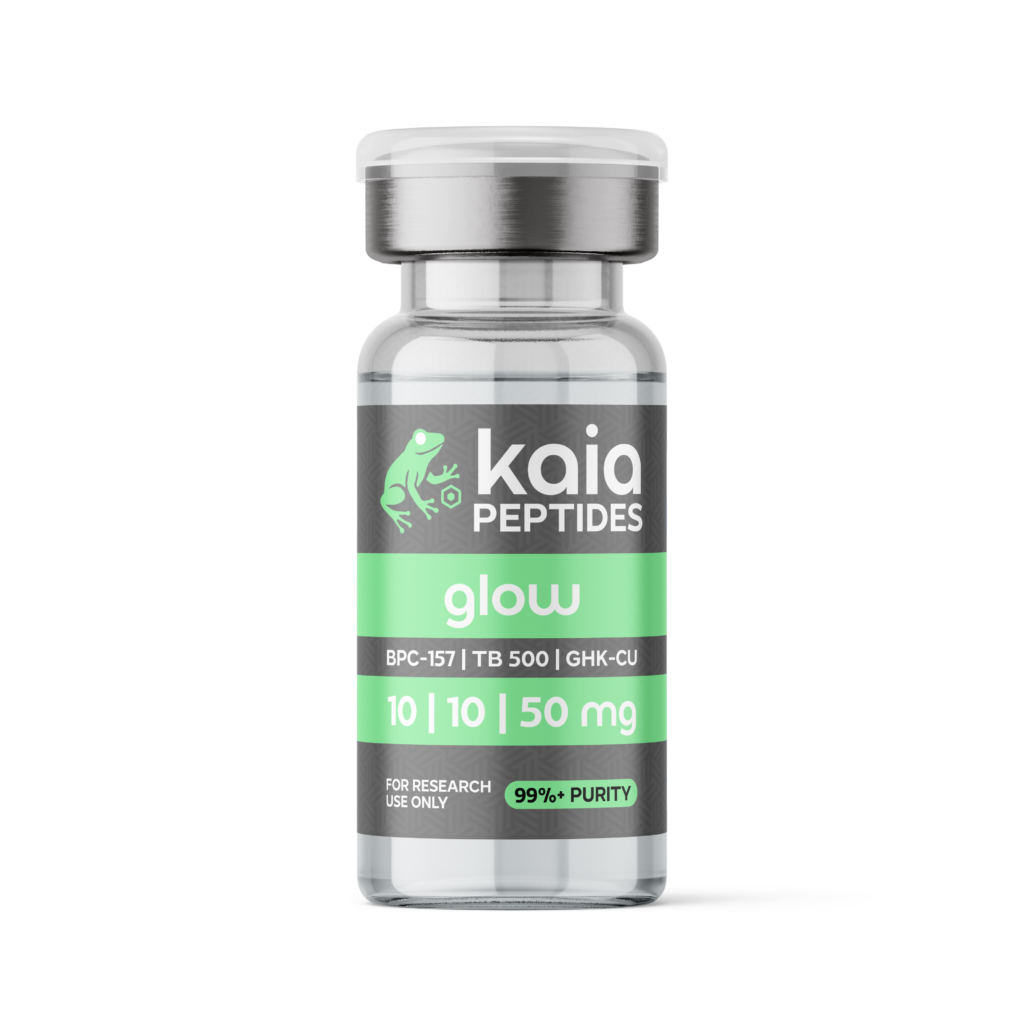
GLOW

$ 165

Add to cart
IN STOCK
IN STOCK

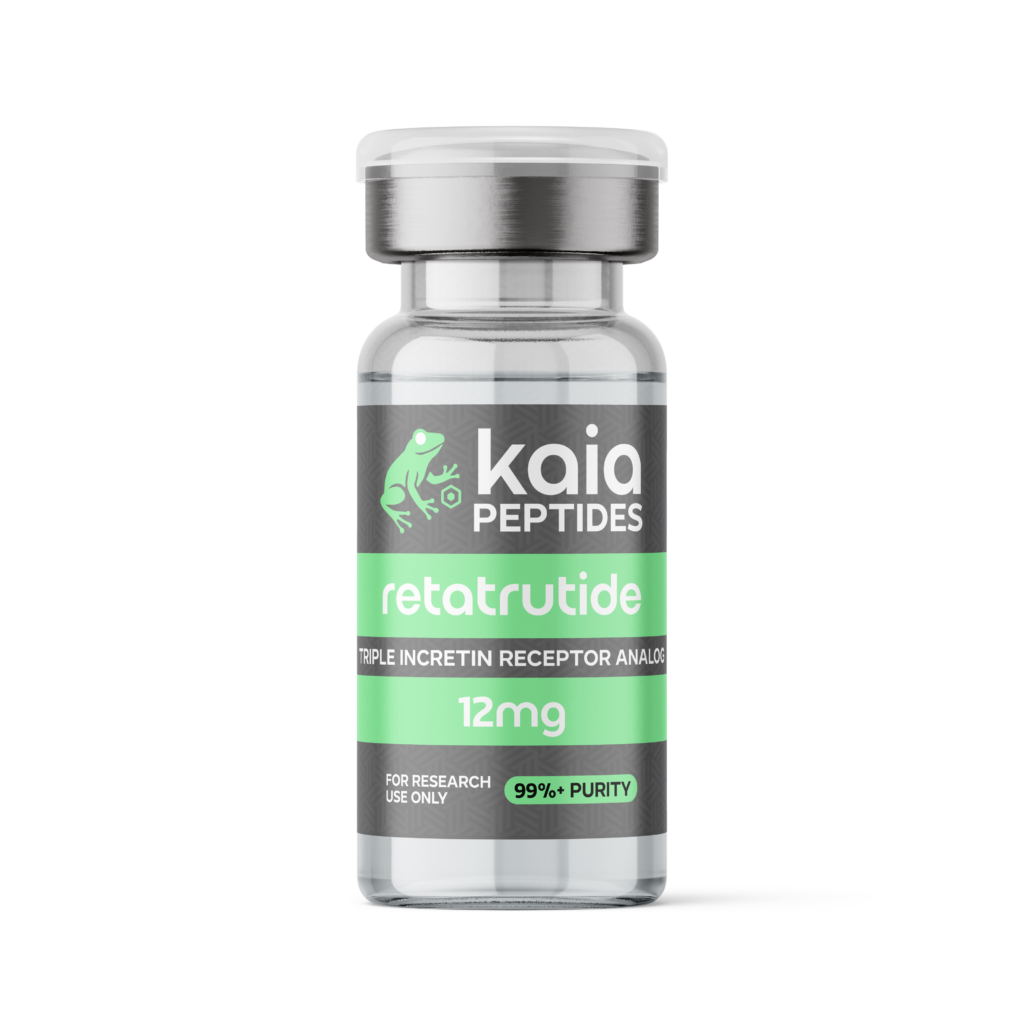
GLP-R3

$ 200

Add to cart
IN STOCK
IN STOCK

Semax

$ 100

Add to cart
IN STOCK
IN STOCK

MOTS-C

$ 95

Add to cart
IN STOCK
IN STOCK

PULSE

$ 125

Add to cart
OUT OF STOCK
OUT OF STOCK

ELEVATE

$ 175

Out of stock

Read more
OUT OF STOCK
OUT OF STOCK

WOLVERINE

$ 115

Out of stock

Read more
OUT OF STOCK
OUT OF STOCK

Tesamorelin

$ 135

Out of stock

Read more
OUT OF STOCK
OUT OF STOCK

Sermorelin

$ 100

Out of stock

Read more
OUT OF STOCK
OUT OF STOCK

KPV

$ 55

Out of stock

Read more
OUT OF STOCK
OUT OF STOCK

KLOW

$ 275

Out of stock

Read more
OUT OF STOCK
OUT OF STOCK

CJC-1295 (No DAC)

$ 85

Out of stock

Read more
OUT OF STOCK
OUT OF STOCK

AOD 9604

$ 75

Out of stock

Read more
OUT OF STOCK
OUT OF STOCK

SS-31

$ 145

Out of stock

Read more

FAQs

Find answers to your most pressing questions about peptide categories and their usage.

 
What is NAD+? +
NAD+ (Nicotinamide Adenine Dinucleotide) is a naturally occurring coenzyme found in every living cell. Researchers consider it the “currency of cellular energy,” because many metabolic reactions depend on it to run.
Why do scientists study NAD+? +
NAD+ plays a major role in energy production, mitochondrial function, cellular repair, and metabolic balance. Scientists study it the way engineers study the electrical grid — it powers almost everything behind the scenes.
How does NAD+ relate to energy in cells? +
In preclinical research, NAD+ is essential for the electron transport chain — the process that converts food into cellular energy (ATP). Think of ATP as the engine’s horsepower and NAD+ as the fuel that makes that horsepower possible
What happens to NAD+ levels as organisms age? +
Animal studies show NAD+ levels naturally decline with age, stress, and metabolic strain. It’s like the dimming of a battery-powered flashlight — the lower the charge, the weaker the output.
Why is NAD+ so popular in metabolic research? +
Because NAD+ is tied to processes like oxidative stress, DNA repair, and mitochondrial efficiency, researchers explore how boosting NAD+ may influence these pathways. No conclusions are made for human outcomes — all findings refer to preclinical models
What’s the difference between NAD+ and NADH? +
NAD+ is the oxidized form, and NADH is the reduced form. In metabolic terms, they are like a rechargeable battery switching between charged (NADH) and uncharged (NAD+), enabling continuous energy flow in the cell.
How does NAD+ interact with sirtuins in research studies? +
Sirtuins are cellular “maintenance proteins” involved in repair and stress responses. NAD+ is their required cofactor. Without NAD+, sirtuins are like mechanics with no tools — present, but unable to work.
Is NAD+ the same as NMN or NR? +
No. NMN (Nicotinamide Mononucleotide) and NR (Nicotinamide Riboside) are NAD+ precursors. NAD+ itself is the end product — the final molecule researchers study to understand how cells actually utilize it.
Why do some researchers use NAD+ together with mitochondrial peptides like MOTS-C? +
Because NAD+ fuels mitochondrial reactions and MOTS-C regulates energy processes, researchers explore their combined effects like studying how both fuel quality (NAD+) and engine tuners (MOTS-C) influence performance together
What are scientists looking at in NAD+ longevity research? +
Since NAD+ declines are associated with aging in animal models, some research investigates whether restoring NAD+ impacts age-related cellular functions. Think of it as studying what happens when you recharge an aging power grid. (No claims for human longevity are made.)
Is NAD+ considered safe in research studies? +
Preclinical studies show a favorable safety profile at commonly studied doses. However, NAD+ is not FDA-approved and is not intended for human consumption. Kaia sells NAD+ strictly for laboratory research.
How should NAD+ be stored for research use? +
NAD+ is sensitive to heat and light, and researchers typically store it refrigerated or frozen. Think of it like preserving a high-energy seed — keep it cool and protected, and it maintains integrity