99%+ Purity • American Lab Tested • Free shipping $250+ • For Research Use Only Dismiss

KPV

OUT OF STOCK
OUT OF STOCK

$ 55

Out of stock

Product Discription

KPV

Tripeptide Fragment – Inflammatory-Pathway Modeling, Barrier-Integrity Studies & Immune-Signal Research

For laboratory research use only. Not for human or animal use. These products have not been evaluated by the U.S. Food and Drug Administration (FDA) and are not intended to diagnose, treat, cure, or prevent any disease.

What Is KPV?

KPV is a naturally occurring tripeptide fragment derived from the C-terminal sequence of α-melanocyte–stimulating hormone (α-MSH).
In research environments, it is frequently studied for its role in:

  • Inflammatory-pathway modulation

  • Gut-barrier model integrity

  • Skin-barrier signaling

  • Immune-response modeling

  • Tissue-soothing simulations

  • Recovery-pathway observations in controlled systems

Because KPV does not activate hormonal pathways, researchers often evaluate it as a clean and targeted tool for studying inflammation-related signaling patterns.


Understanding KPV — A Metaphorical Research Analogy

To visualize how KPV behaves in experimental models, imagine a peaceful simulated village used by researchers to represent biological systems.

Occasionally, this model village experiences “wildfires” symbolizing inflammatory events:

  • In barrier-integrity simulations

  • In immune-modulation tests

  • In skin or gut models

  • In stress-induced environments

These fires:

  • Spread quickly

  • Disrupt internal systems

  • Reduce model stability

  • Impair simulated recovery processes

In many experiments, the standard “firefighting signals” respond slowly or inconsistently.

KPV represents a different kind of responder.


• KPV as the Elite Fire Commander (Inflammatory-Signal Modulation)

In this analogy, KPV moves directly toward hotspots in the model environment.

Researchers study how it:

  • Modulates inflammatory pathways

  • Influences localized signaling

  • Calms activated regions without widespread side effects

This represents its selective, targeted behavior in laboratory models.


• Preventing New Fires (Immune-Signal Balance)

Beyond calming existing hotspots, KPV is examined for how it affects:

  • Upstream inflammatory triggers

  • Immune-signal cascades

  • Propagation of flare-type responses

This conceptual “spark reduction” helps researchers understand immune homeostasis in controlled systems.


• Protecting Vulnerable Structures (Barrier Models)

In many experimental frameworks, certain structures are more sensitive:

  • Simulated gut-lining barriers

  • Skin-barrier models

  • Joint-tissue environments

  • Immune-sensitive regions

KPV is studied for how it interacts with these fragile structures, often acting like a protective buffer in the metaphorical village.


• System-Wide Soothing (Global Response Models)

When inflammation in a test environment is high, the entire system behaves more erratically.

Researchers use KPV to explore:

  • Full-system calming responses

  • Stability restoration

  • Multi-pathway modulation

  • Recovery-model harmonization

The analogy: the villagers return to normal life once the fires are controlled.


Combined Research Perspective

With KPV in laboratory settings, researchers can evaluate:

  • Inflammatory cascade behavior

  • Barrier protection and integrity

  • Immune-system signal balancing

  • Stress-response modeling

  • Tissue-calming mechanisms in controlled systems

The “village” analogy simplifies how KPV interacts with various components of an experimental model.


For Research Use Only.
Not for human consumption. Not for medical, therapeutic, or veterinary use.
Descriptions are for scientific, laboratory, and educational reference only.

Explore

Discover Our Range of Peptide Solutions

IN STOCK
IN STOCK

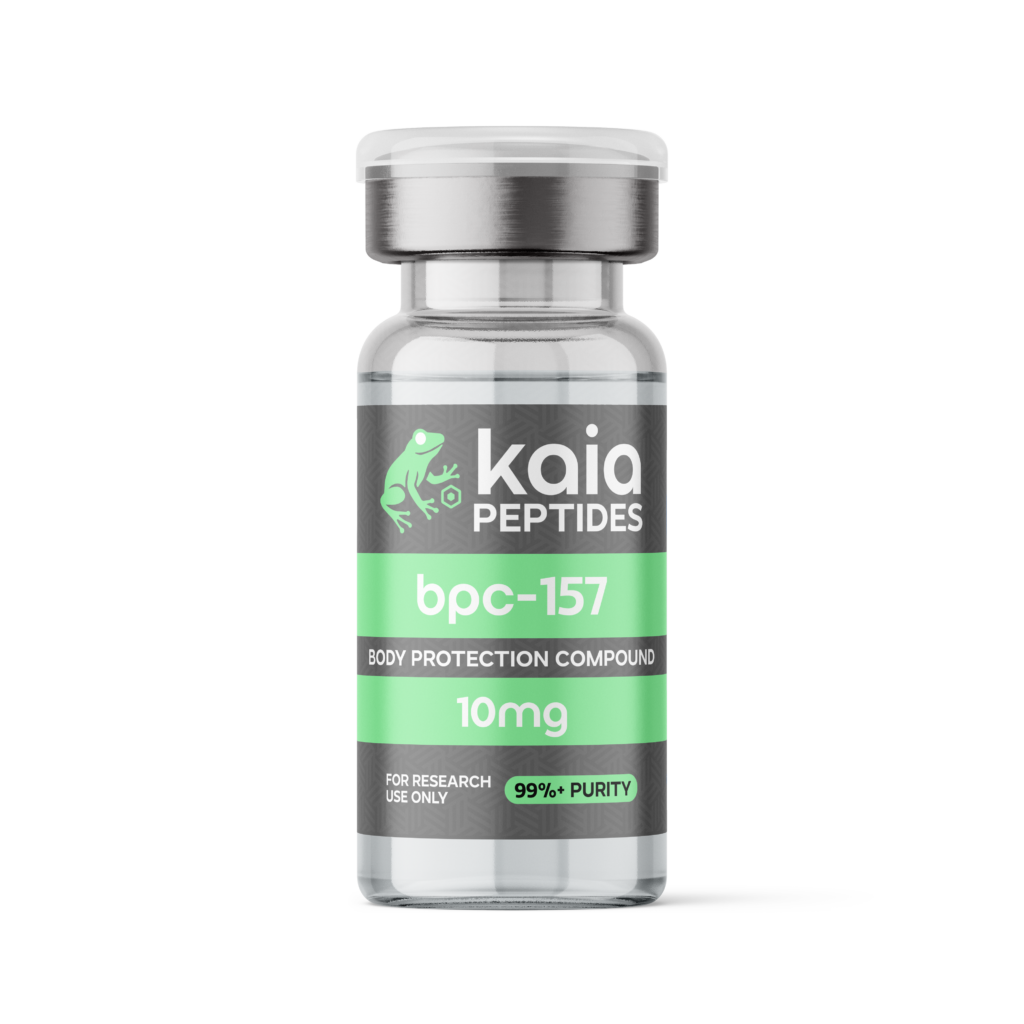
BPC-157

$ 95

Add to cart
IN STOCK
IN STOCK

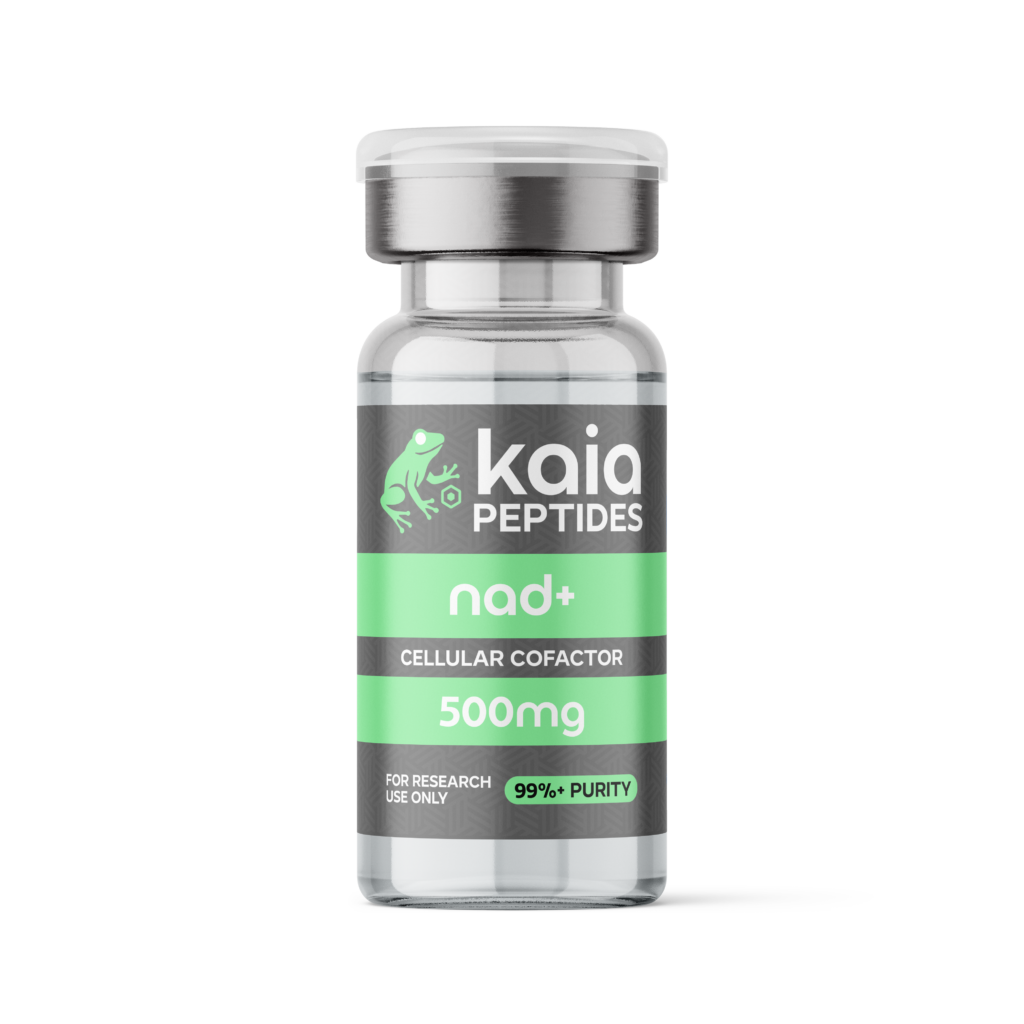
NAD+

$ 165

Add to cart
IN STOCK
IN STOCK

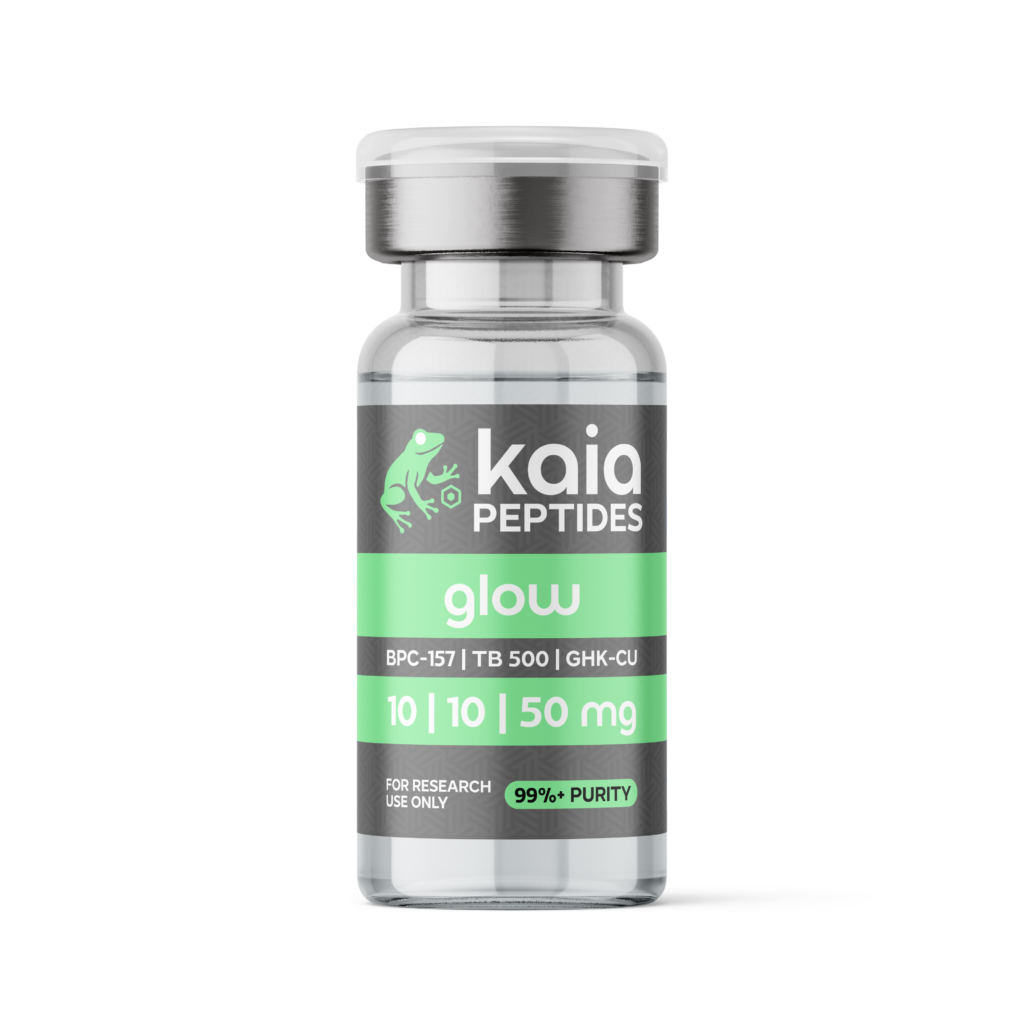
GLOW

$ 165

Add to cart
IN STOCK
IN STOCK

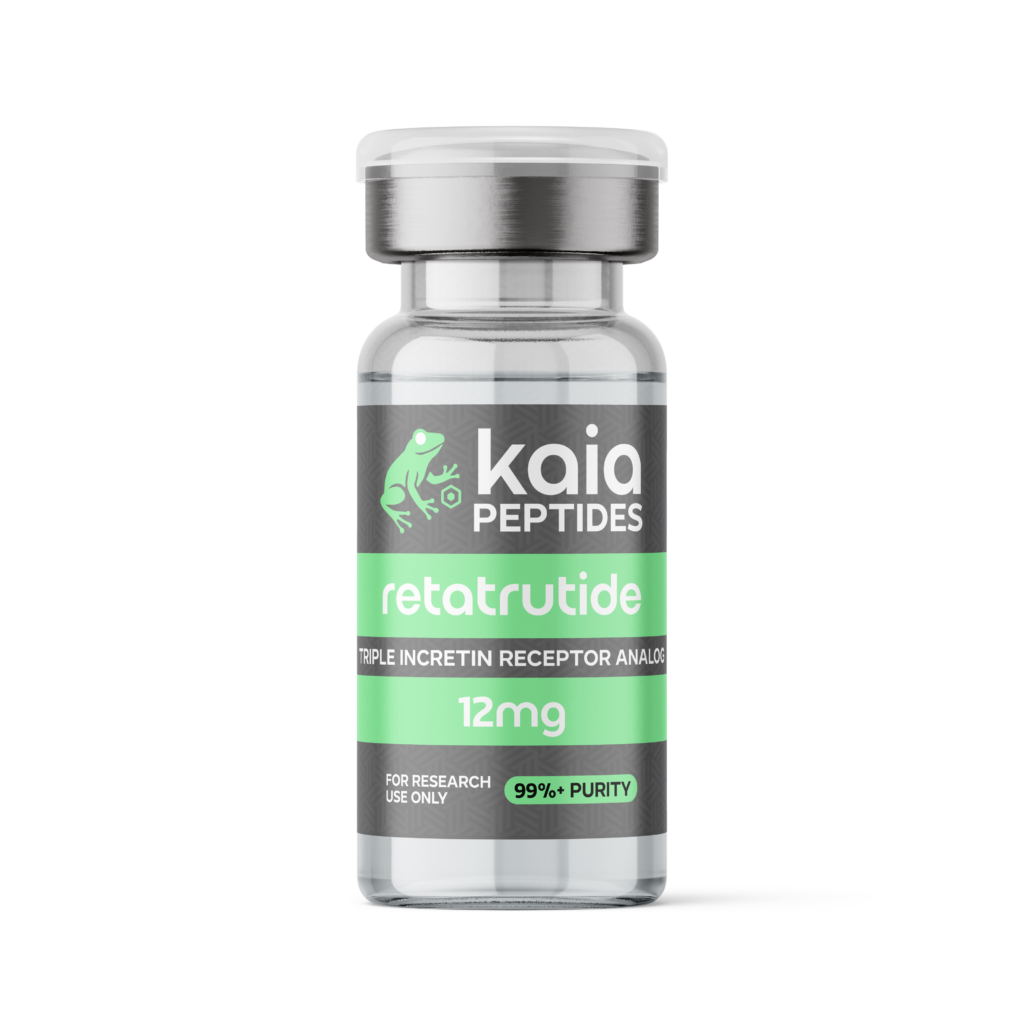
GLP-R3

$ 200

Add to cart
IN STOCK
IN STOCK

Semax

$ 100

Add to cart
IN STOCK
IN STOCK

MOTS-C

$ 95

Add to cart
IN STOCK
IN STOCK

PULSE

$ 125

Add to cart
OUT OF STOCK
OUT OF STOCK

ELEVATE

$ 175

Out of stock

Read more
OUT OF STOCK
OUT OF STOCK

WOLVERINE

$ 115

Out of stock

Read more
OUT OF STOCK
OUT OF STOCK

Tesamorelin

$ 135

Out of stock

Read more
OUT OF STOCK
OUT OF STOCK

Sermorelin

$ 100

Out of stock

Read more
OUT OF STOCK
OUT OF STOCK

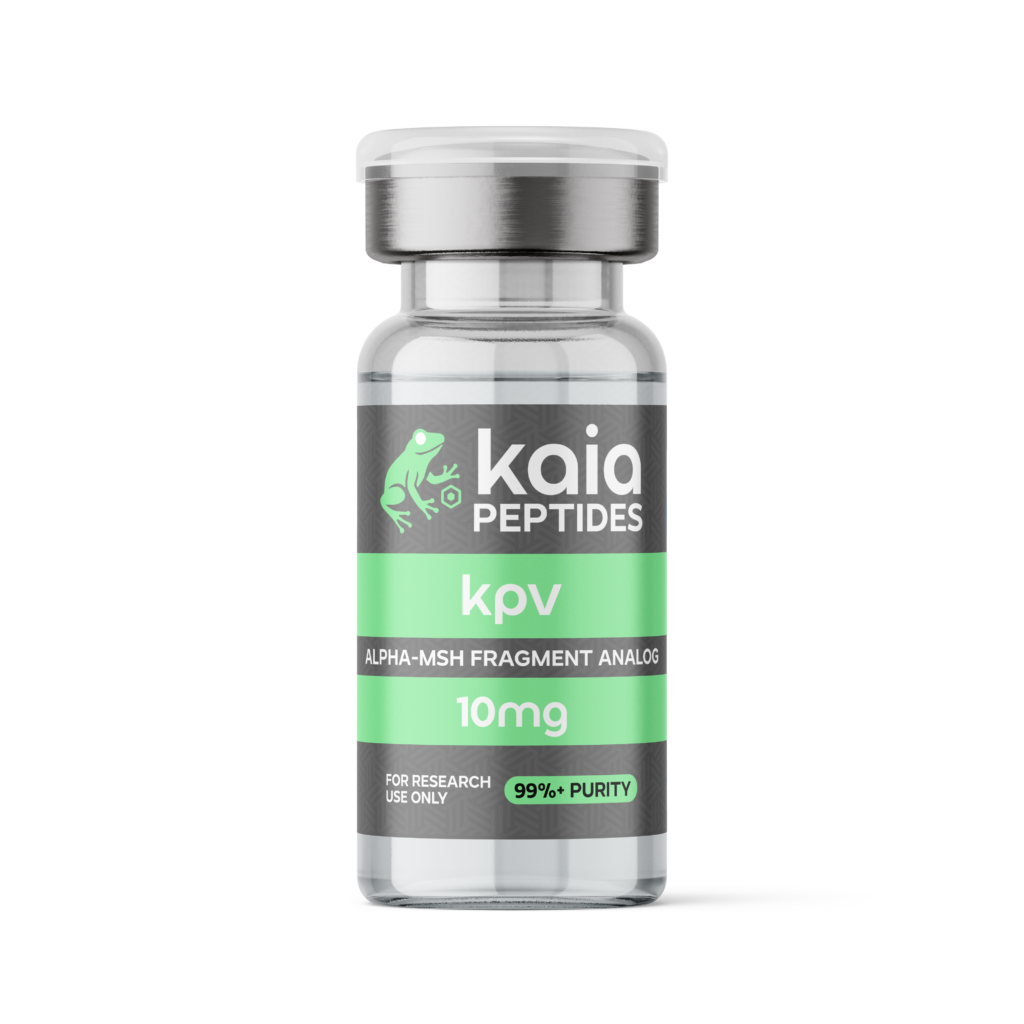
KPV

$ 55

Out of stock

Read more
OUT OF STOCK
OUT OF STOCK

KLOW

$ 275

Out of stock

Read more
OUT OF STOCK
OUT OF STOCK

CJC-1295 (No DAC)

$ 85

Out of stock

Read more
OUT OF STOCK
OUT OF STOCK

AOD 9604

$ 75

Out of stock

Read more
OUT OF STOCK
OUT OF STOCK

SS-31

$ 145

Out of stock

Read more

FAQs

Find answers to your most pressing questions about peptide categories and their usage.

 
What is KPV? +
KPV is a tripeptide (Lysine–Proline–Valine) naturally derived from the hormone alpha-MSH. Researchers study it for its potential interaction with inflammation, immune signaling, and barrier integrity pathways. Think of it as a compact “calming signal” used to investigate how cells respond when irritation is dialed down.
Why is KPV associated with anti-inflammatory research? +
Preclinical studies suggest KPV may modulate: ● inflammatory cytokine activity ● immune response patterns ● oxidative stress markers ● cell protection pathways It acts like a “fire suppressant” molecule — not extinguishing the immune system, but helping regulate its intensity.
How does KPV differ from alpha-MSH? +
Alpha-MSH is a full hormone with multiple systemic effects. KPV is the specific fragment responsible for its calming and anti-inflammatory properties in animal models. It’s like isolating one precise note from an entire song.
What pathways does KPV interact with in research? +
Scientists study KPV in contexts involving: ● NF-κB signaling ● epithelial barrier function ● immune modulation ● gut and skin inflammatory responses Researchers observe it like examining how adjusting the tension of a safety valve affects system stability.
Why is KPV used in skin and gut research models? +
Because epithelial tissues — the outer layer of skin and the inner lining of the gut — are closely tied to inflammation. KPV is studied as a “signal molecule” that may influence how these tissues respond under stress.
What makes KPV unique compared to other peptides in the Kaia lineup? +
While most peptides (BPC-157, TB-500, GHK-Cu) focus on repair and regeneration, KPV focuses on inflammation modulation. It’s the “cooling agent” that helps balance the biological environment researchers observe.
Why is KPV included in blends like KLOW? +
KPV brings: ● inflammatory calming ● immune balance ● smoother recovery environments When combined with regeneration peptides, researchers study it like adding a safety inspector to a construction crew — ensuring the environment stays stable while building happens.
How does KPV compare to BPC-157? +
Both appear in inflammation-related research, but: ● KPV → immune signaling + epithelial calming ● BPC-157 → tissue repair + angiogenesis pathways KPV is the “cooler”; BPC-157 is the “builder.”
What types of preclinical studies investigate KPV? +
Animal and in-vitro models include: ● inflammation models ● colitis and gut barrier studies ● skin irritation and wound environments ● oxidative stress pathways No human or therapeutic claims are made.
What is known about KPV’s safety profile? +
KPV has shown a strong safety profile in preclinical studies, but it remains: ● Not FDA-approved ● Not intended for human use ● For research purposes only Kaia follows strict compliance.
How should KPV be stored for research stability? +
Keep the vial: ● sealed ● cool ● protected from light Refrigerate after reconstitution; freeze for long-term storage. Peptides behave like sensitive reagents — stable when cold and preserved.
Is KPV legal to purchase for laboratory research? +
Yes. KPV is legal when purchased strictly for laboratory research and not for humanconsumption or therapeutic application