99%+ Purity • American Lab Tested • Free shipping $250+ • For Research Use Only Dismiss

GHK-CU

OUT OF STOCK
OUT OF STOCK

$ 120

Out of stock

Product Discription

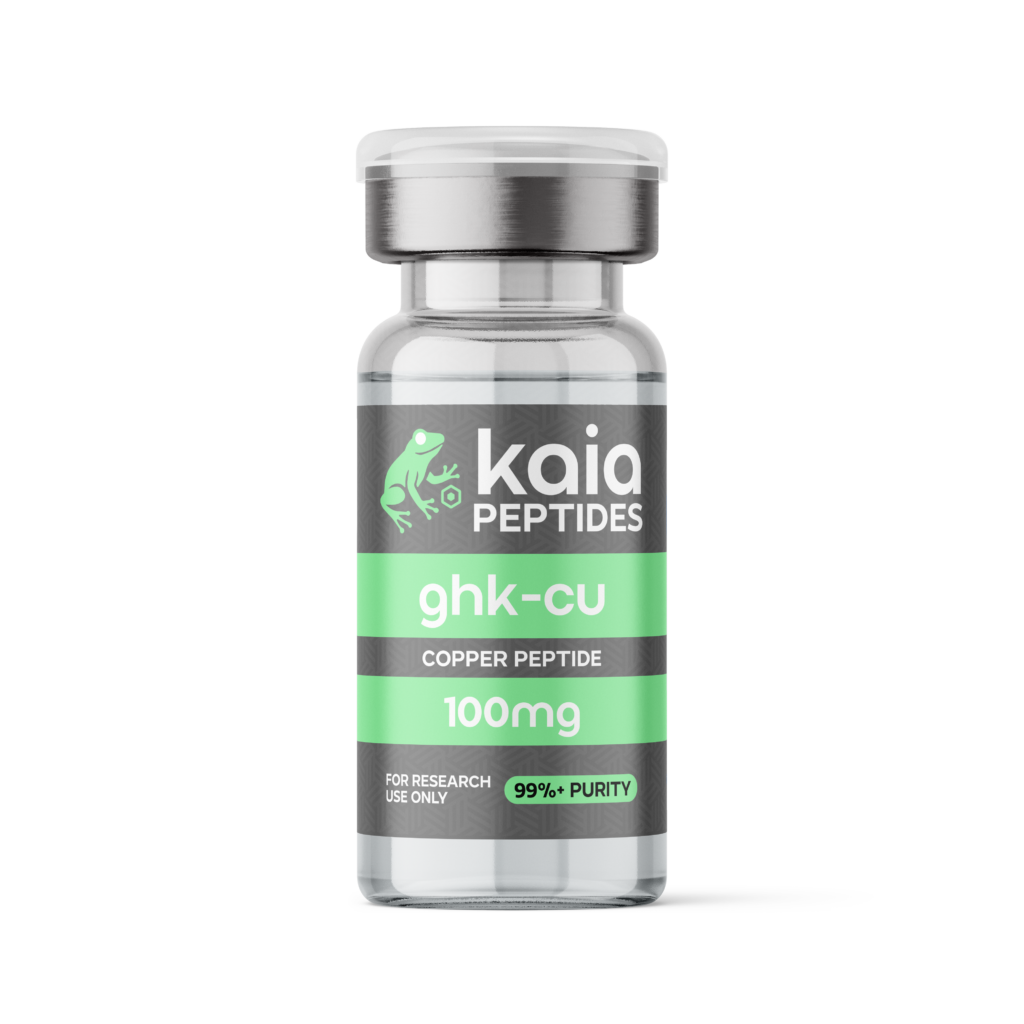
GHK-Cu (100mg)

Copper Tripeptide – Cellular-Signaling Research, Tissue-Model Regeneration & Gene-Expression Pathway Studies

For laboratory research use only. Not for human or animal use. These products have not been evaluated by the U.S. Food and Drug Administration (FDA) and are not intended to diagnose, treat, cure, or prevent any disease.

What Is GHK-Cu?

GHK-Cu is a naturally occurring copper-binding tripeptide found in human plasma, saliva, and various tissues.
In scientific and laboratory research, GHK-Cu is widely studied for its involvement in:

  • Collagen- and elastin-related signaling pathways

  • Tissue-repair and wound-healing models

  • Skin-structure and matrix-protein regulation

  • Oxidative-stress and inflammation-response mechanisms

  • Gene-expression modulation associated with cellular renewal

  • Hair and tissue-regeneration research

Due to its broad signaling activity, GHK-Cu is one of the most frequently examined peptides in cosmetic, dermatological, and tissue-regeneration research environments.


Understanding GHK-Cu — A Metaphorical Research Analogy

Imagine your skin and connective tissues as a large living canvas — an intricate work of art composed of:

  • Collagen fibers

  • Elastin networks

  • Cellular pigments

  • Structural architecture

Over time in experimental aging models:

  • Paint begins to crack (matrix-protein decline)

  • Colors fade (reduced vitality)

  • Strokes blur (texture changes)

  • Dust accumulates (oxidative stress + inflammation)

Now imagine a master art restorer arrives — someone with the unique ability to restore the canvas to a cleaner, clearer, more structurally sound state.

This restorer represents GHK-Cu.


• Restoring the Canvas (Collagen- & Elastin-Pathway Research)

Scientists study GHK-Cu for its interactions with:

  • Collagen-synthesis signaling

  • Extracellular-matrix remodeling

  • Structural-fiber support pathways

In the metaphor, GHK-Cu smooths cracks, fills fine lines, and strengthens the canvas beneath the paint.


• Cleaning the Dust (Anti-Inflammation & Antioxidant Models)

GHK-Cu is evaluated for its potential effects on:

  • Oxidative-stress modulation

  • Inflammatory-response markers

  • Cellular-damage signaling

This is like clearing dust and debris so the painting becomes clearer and less obscured.


• Repainting Faded Sections (Tissue-Regeneration Models)

Research explores GHK-Cu’s influence on:

  • Wound-repair pathways

  • Skin renewal and hydration markers

  • Tissue-structure restoration

In the analogy, the restorer retouches faded or chipped areas with precision and care.


• Restoring the Gallery Lighting (Gene-Expression Studies)

One of the most compelling research areas for GHK-Cu is its effect on gene-expression profiles connected to:

  • Repair

  • Growth

  • Regeneration

  • Anti-inflammatory signaling

This is akin to turning the lights back on in a dim gallery — allowing the artwork to shine in full clarity.


Combined Research Perspective

GHK-Cu enables exploration of:

  • Matrix-protein regulation

  • Tissue-regeneration pathways

  • Anti-inflammatory and antioxidant responses

  • Gene-expression changes in aging models

  • Structural and cosmetic-tissue modeling

  • Hair and skin biological processes in vitro

The canvas analogy provides an intuitive way to conceptualize GHK-Cu’s broad activity without implying any therapeutic or human-use effects.


For Research Use Only.
Not for human consumption. Not for medical, therapeutic, or veterinary use.
Descriptions are for scientific, laboratory, and educational reference only.

Explore

Discover Our Range of Peptide Solutions

IN STOCK
IN STOCK

BPC-157

$ 95

Add to cart
IN STOCK
IN STOCK

NAD+

$ 165

Add to cart
IN STOCK
IN STOCK

GLOW

$ 165

Add to cart
IN STOCK
IN STOCK

GLP-R3

$ 200

Add to cart
IN STOCK
IN STOCK

Semax

$ 100

Add to cart
IN STOCK
IN STOCK

MOTS-C

$ 95

Add to cart
IN STOCK
IN STOCK

PULSE

$ 125

Add to cart
OUT OF STOCK
OUT OF STOCK

ELEVATE

$ 175

Out of stock

Read more
OUT OF STOCK
OUT OF STOCK

WOLVERINE

$ 115

Out of stock

Read more
OUT OF STOCK
OUT OF STOCK

Tesamorelin

$ 135

Out of stock

Read more
OUT OF STOCK
OUT OF STOCK

Sermorelin

$ 100

Out of stock

Read more
OUT OF STOCK
OUT OF STOCK

KPV

$ 55

Out of stock

Read more
OUT OF STOCK
OUT OF STOCK

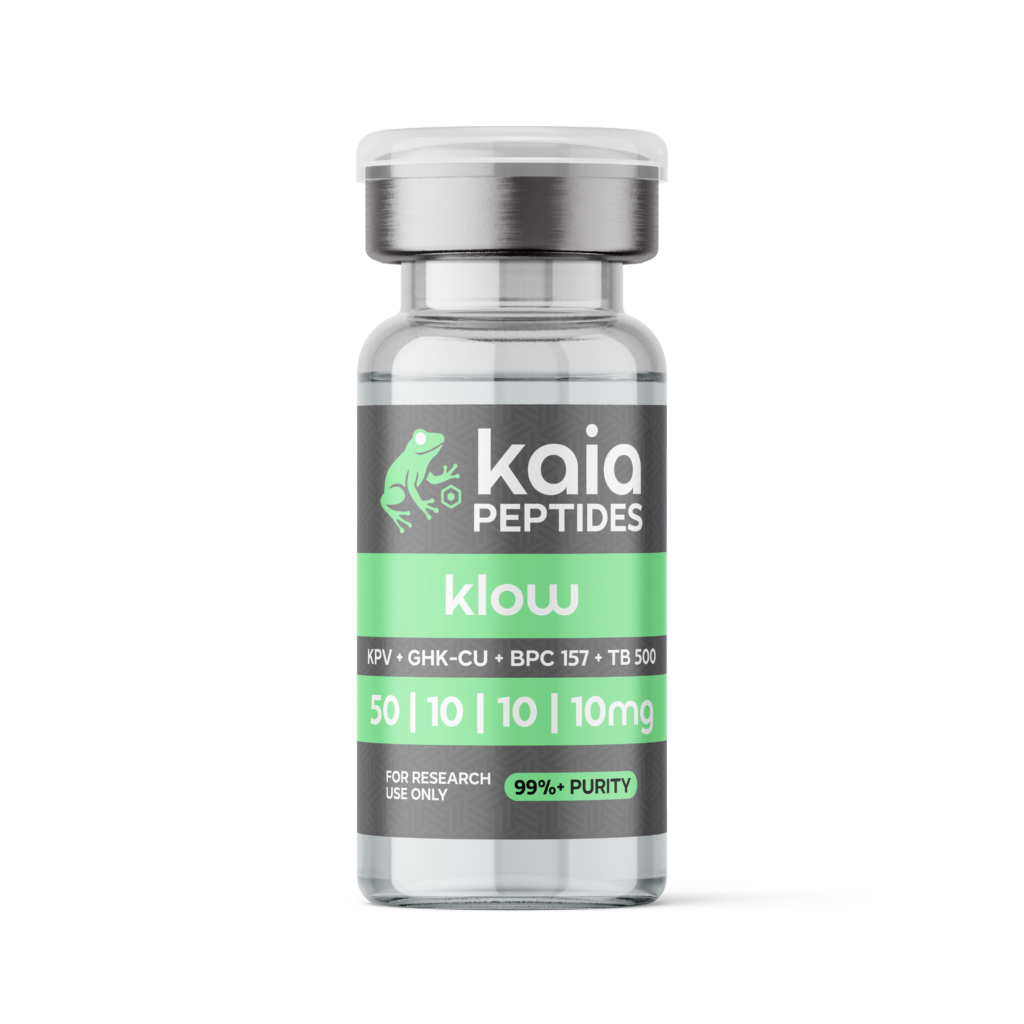
KLOW

$ 275

Out of stock

Read more
OUT OF STOCK
OUT OF STOCK

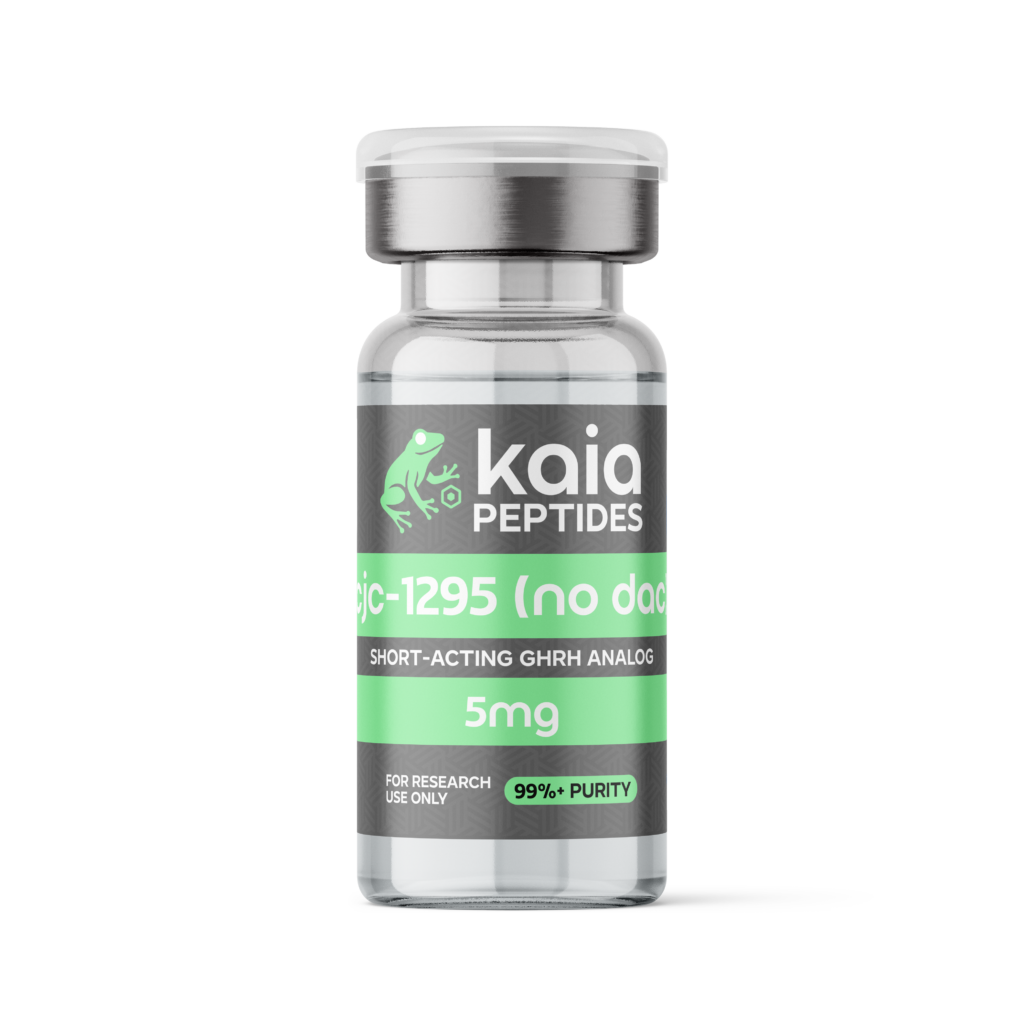
CJC-1295 (No DAC)

$ 85

Out of stock

Read more
OUT OF STOCK
OUT OF STOCK

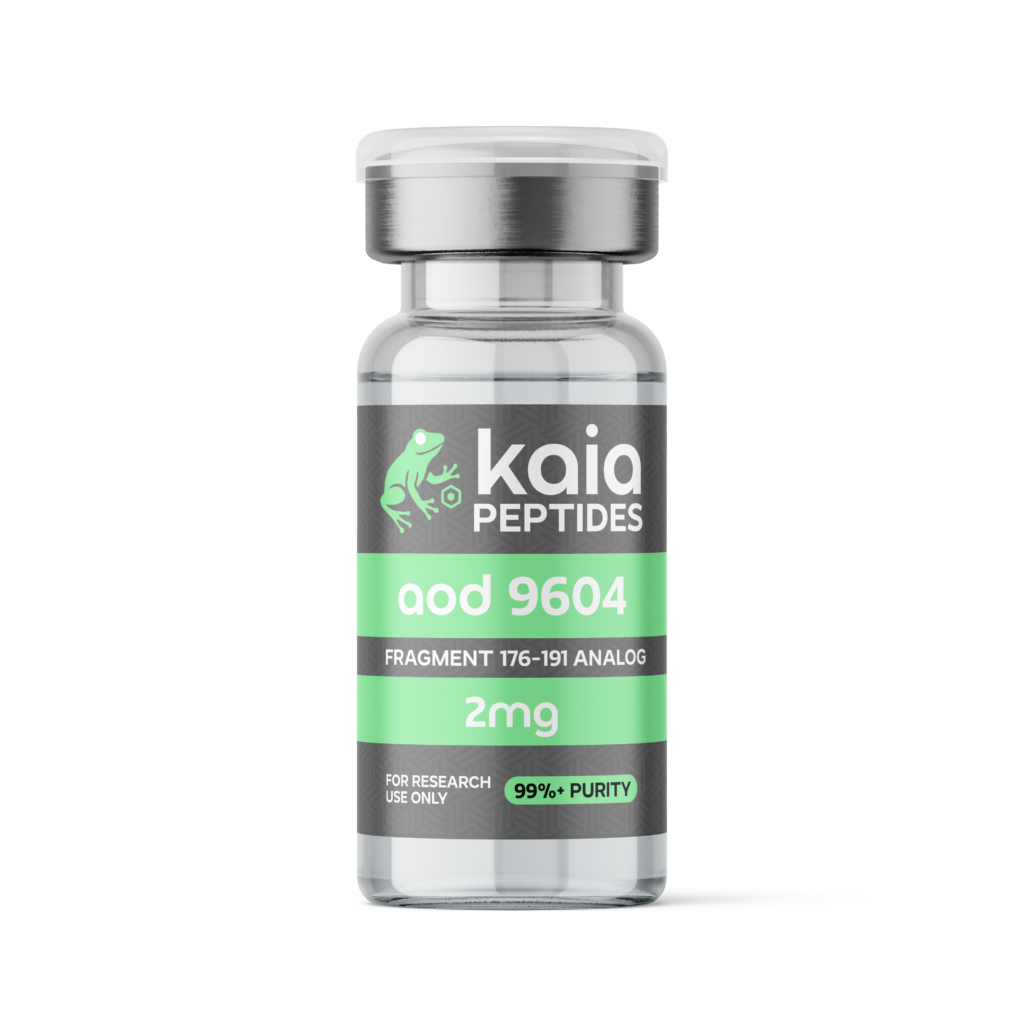
AOD 9604

$ 75

Out of stock

Read more
OUT OF STOCK
OUT OF STOCK

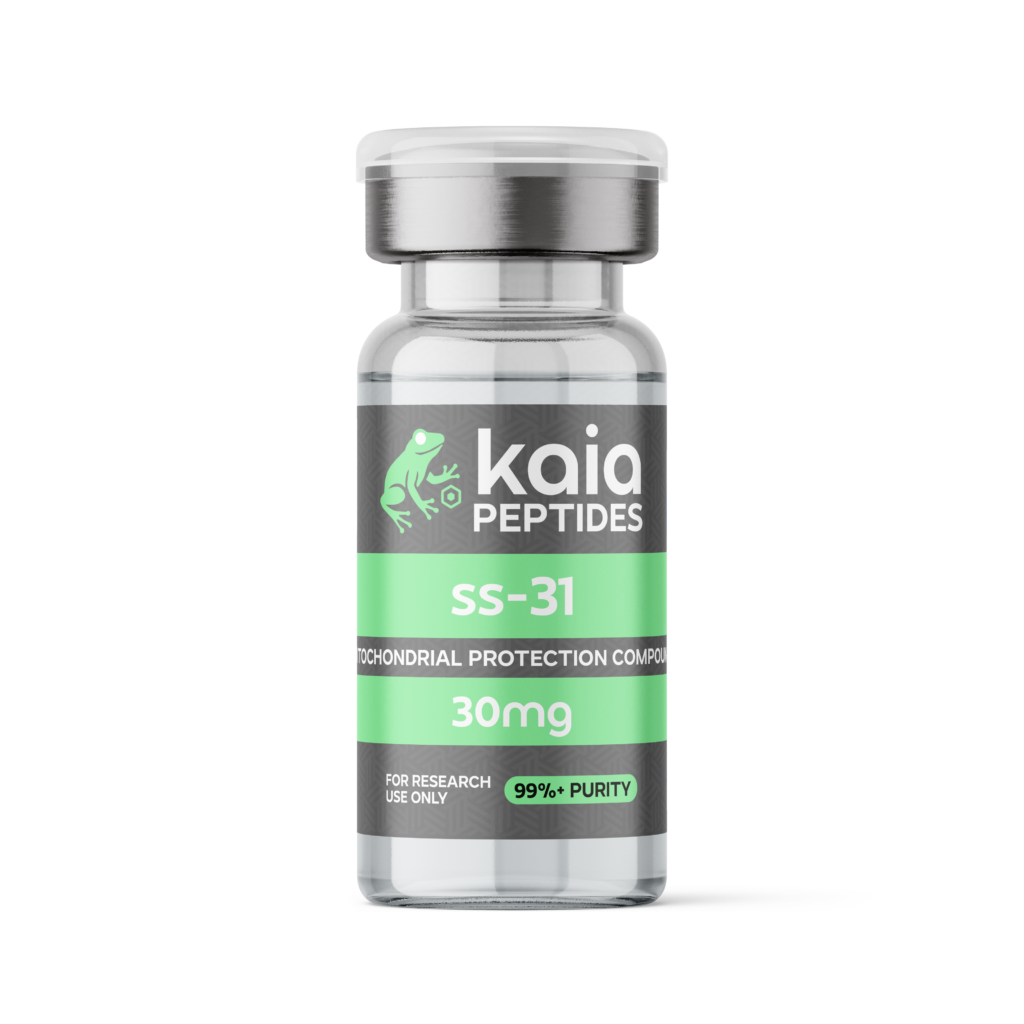
SS-31

$ 145

Out of stock

Read more

FAQs

Find answers to your most pressing questions about peptide categories and their usage.

 
What is GHK-Cu? +
GHK-Cu is a naturally occurring copper-binding tripeptide found in human plasma, saliva, and tissue. Researchers study it for its role in cellular repair, collagen regulation, and signaling pathways. Think of it as a tiny “messenger molecule” that delivers copper where biological activity needs it most.
Why is GHK-Cu associated with skin and tissue research? +
Preclinical studies suggest GHK-Cu may influence: ● collagen production ● tissue remodeling ● wound-healing pathways ● antioxidant responses Scientists view it like a “restoration brush,” smoothing and reshaping biological surfaces in controlled lab conditions.
What does the copper in GHK-Cu do? +
Copper acts as a cofactor for several enzymes involved in tissue repair and antioxidant defense. GHK is the “carrier,” and copper is the “spark plug.” Together they operate like a delivery truck bringing fuel to an engine that needs activation.
How does GHK-Cu compare to BPC-157 or TB-500? +
● GHK-Cu focuses on collagen, skin, and cellular signaling. ● BPC-157 focuses on tissue integrity and angiogenesis. ● TB-500 focuses on cell migration and structural recovery. If BPC is the project manager and TB-500 is the logistics team, GHK-Cu is the artist refining the final structure.
What do studies show about GHK-Cu and collagen? +
Animal and in-vitro models show GHK-Cu may upregulate collagen and glycosaminoglycan synthesis. This is why it’s heavily studied in cosmetic and skin biology. Researchers treat it as a “biological sculptor,” shaping the extracellular matrix. (All findings refer strictly to preclinical research.)
Why is GHK-Cu used in anti-aging research? +
Researchers examine GHK-Cu for its potential interaction with: ● skin elasticity ● oxidative stress ● inflammation markers ● gene expression profiles It’s like studying how a maintenance crew revitalizes an older building’s foundation and facade.
What’s the difference between GHK (alone) and GHK-Cu? +
GHK is the peptide. GHK-Cu is the peptide bound to copper, which is the form most frequently used in research studies. Copper turns GHK from an “instruction” into a “fully activated blueprint.”
Why is GHK-Cu popular in cosmetic science? +
Because preclinical studies show changes in skin structure, collagen, and cellular signaling. Kaia makes no cosmetic claims — but scientists continue to study GHK-Cu as a potential “cellular renewal signal.”
How does GHK-Cu interact with inflammation pathways? +
Some studies suggest GHK-Cu may modulate inflammatory markers and oxidative stress.In metaphor: if oxidative stress is a fire, GHK-Cu is the research-observed “fire marshal” assessing how flames behave under different conditions.
Is GHK-Cu considered safe in research environments? +
Preclinical data shows a favorable profile, but the peptide is: ● Not FDA-approved ● Not for human or veterinary use ● For laboratory research only Kaia follows strict compliance.
How should GHK-Cu be stored for maximum stability? +
GHK-Cu should be kept cool, dry, and protected from light. Freezing is recommended for long-term stability. Peptides are like finely tuned instruments — they stay most accurate when kept cold.
Is GHK-Cu legal to purchase for research? +
Yes. GHK-Cu is legal when purchased strictly for laboratory research. Kaia Peptides does not market it for cosmetic, therapeutic, or human use.