99%+ Purity • American Lab Tested • Free shipping $250+ • For Research Use Only Dismiss

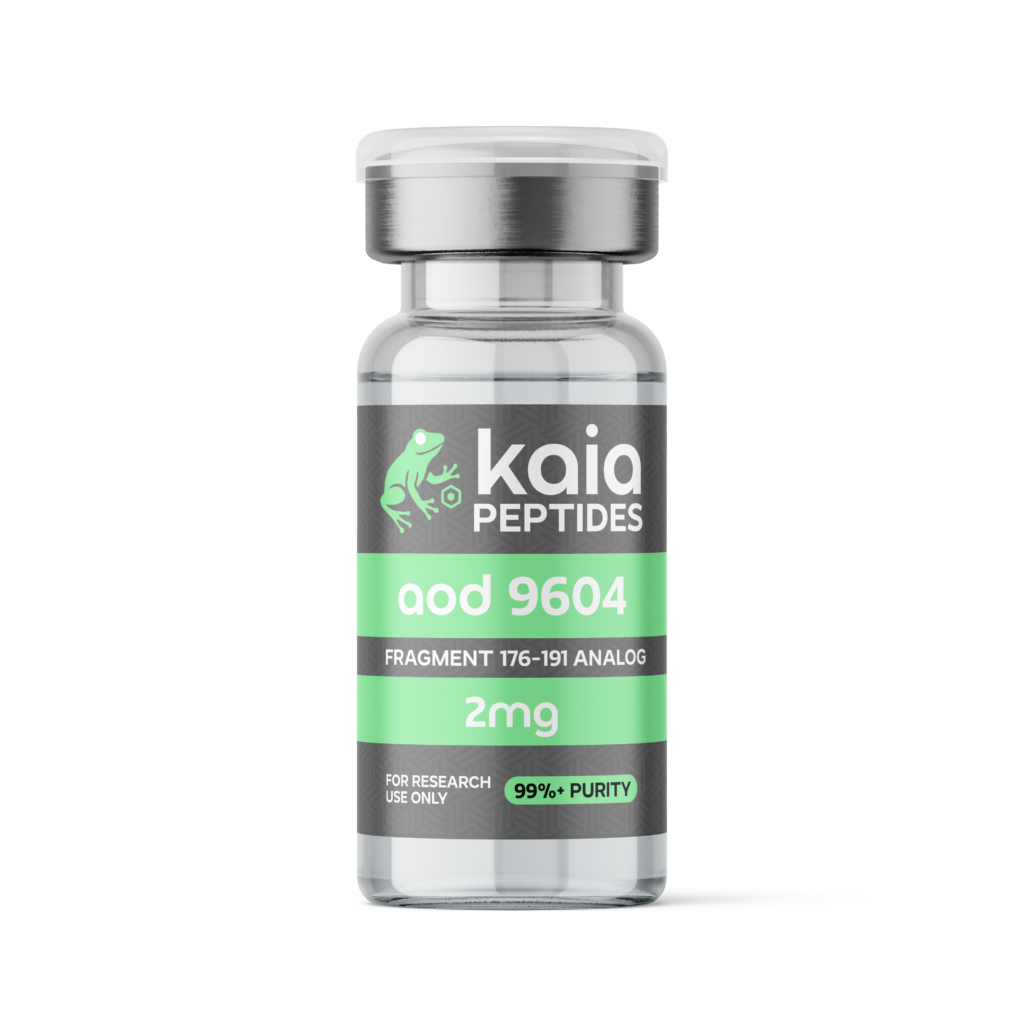
AOD 9604

OUT OF STOCK
OUT OF STOCK

$ 75

Out of stock

Product Discription

AOD-9604 (2mg)

Metabolic Fragment Peptide – Lipolysis Modeling, Joint-Pathway Studies & Metabolic-Signal Research

For laboratory research use only. Not for human or animal use. These products have not been evaluated by the U.S. Food and Drug Administration (FDA) and are not intended to diagnose, treat, cure, or prevent any disease.

What Is AOD-9604?

AOD-9604 is a modified fragment of human growth hormone (specifically the 176–191 region).
In research settings, it is commonly used to study:

  • Lipolysis-related signaling pathways

  • Fat-metabolism models

  • Oxidation-rate behavior in controlled systems

  • Joint and cartilage pathway responses

  • Inflammatory-signal modulation

  • Metabolic rhythm and regulatory modeling

Because AOD-9604 does not activate growth-hormone or IGF-1 pathways, researchers value it as a selective, non-hormonal compound focused on metabolic-specific signaling.


Understanding AOD-9604 — A Metaphorical Research Analogy

Imagine a large warehouse used as a symbolic model for storage and metabolic behavior.

This warehouse contains:

  • Storage rooms

  • Old inventory

  • Useful items

  • Pathways and floors

  • Transport equipment

Over time, experimental stressors can make this model warehouse accumulate:

  • Excess “boxes” (stored energy)

  • Disorganized stock

  • Slower movement pathways

  • Clutter that obstructs flow

Researchers use AOD-9604 to explore how a selective metabolic signal might influence these systems.


• AOD-9604 Tags the Old Boxes (Lipolysis Pathway Study)

In this analogy, AOD-9604 acts like an inventory specialist who marks outdated or unnecessary boxes so the cleanup crew can identify them.

This represents its observed relationship with lipolysis-related signaling in laboratory models.


• It Speeds Up Forklift Movement (Oxidation Research)

Once certain inventory is tagged, forklifts (representing metabolic-energy pathways) move more efficiently.

Researchers study:

  • Fat-oxidation behavior

  • Utilization-rate changes

  • Transport-pathway efficiency

This analogy helps visualize metabolic-flow observations.


• Selectivity Without Hormonal Cascade (Non-GH / Non-IGF-1 Activity)

AOD-9604 is unique because it affects fat-metabolism–related pathways only, without influencing broader hormonal systems.

This selective nature allows researchers to isolate metabolic mechanisms without confounding endocrine effects.


• Fixing Squeaky Doors & Aisles (Joint & Cartilage Models)

Some studies examine how AOD-9604 interacts with:

  • Cartilage-related pathways

  • Joint-model stress responses

  • Inflammatory signaling

In the metaphor, this is symbolized by repairing warehouse floors and pathways for smoother internal movement.


• Improving Warehouse Flow (Metabolic-Balance Modeling)

When excess inventory decreases, the warehouse operates more efficiently.

Researchers use AOD-9604 to observe:

  • Rhythm and pacing of metabolic signals

  • Overall systemic balance

  • Flow and transport dynamics

This creates a cleaner, clearer picture of metabolic-system organization within controlled environments.


Combined Research Perspective

AOD-9604 helps researchers study:

  • Lipolysis and oxidation signal pathways

  • Selective metabolic changes without GH involvement

  • Joint and cartilage-model behavior

  • Inflammatory-signal modulation

  • System-wide metabolic-flow simulations

The warehouse analogy demonstrates AOD-9604’s specificity and targeted activity in experimental models.


For Research Use Only.
Not for human consumption. Not for medical, therapeutic, or veterinary use.
Descriptions are for scientific, laboratory, and educational reference only.

Explore

Discover Our Range of Peptide Solutions

IN STOCK
IN STOCK

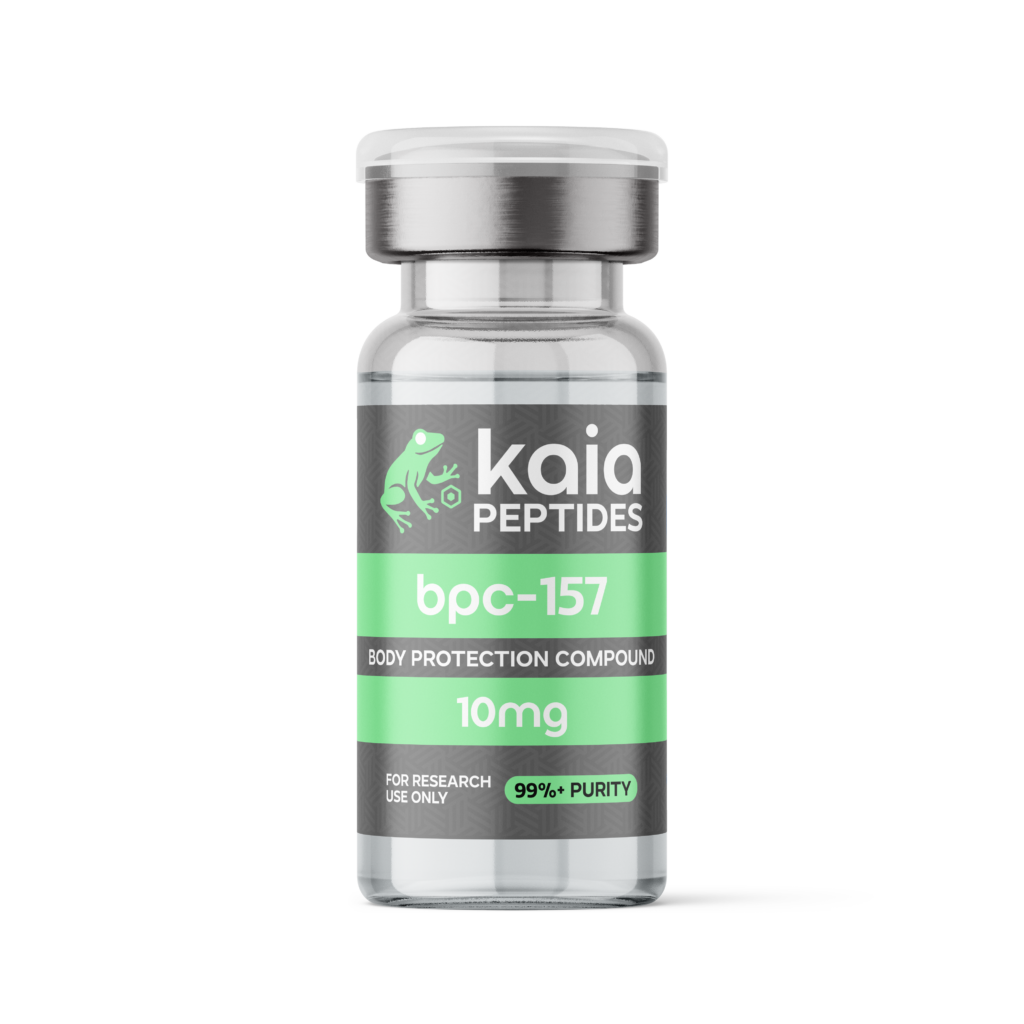
BPC-157

$ 95

Add to cart
IN STOCK
IN STOCK

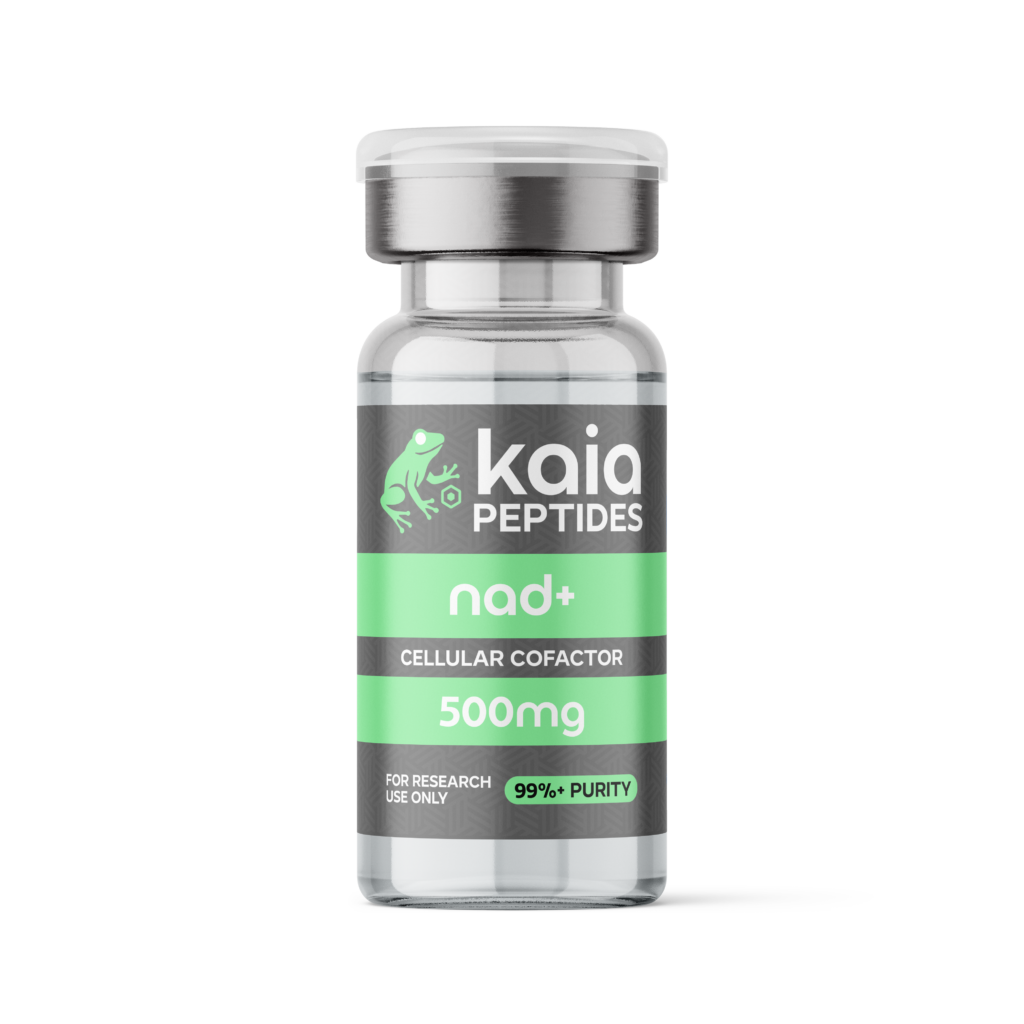
NAD+

$ 165

Add to cart
IN STOCK
IN STOCK

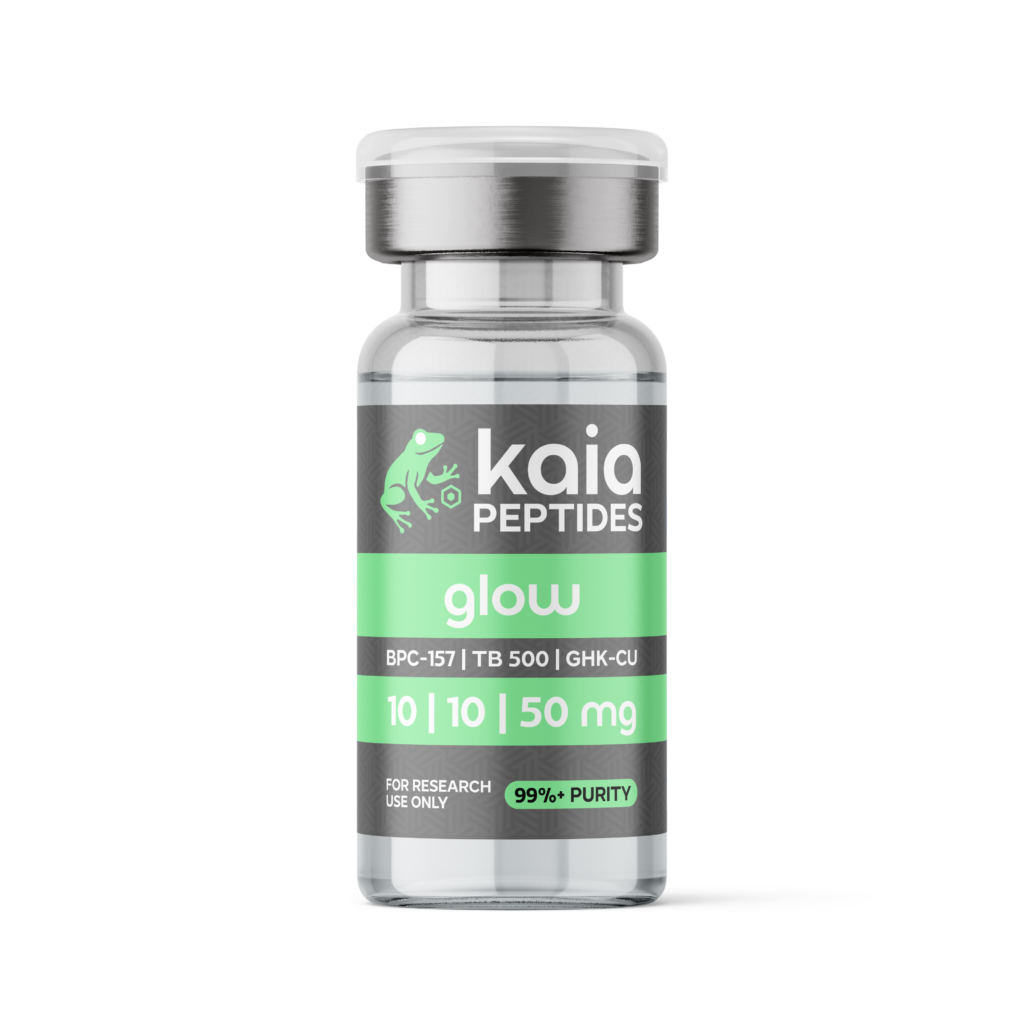
GLOW

$ 165

Add to cart
IN STOCK
IN STOCK

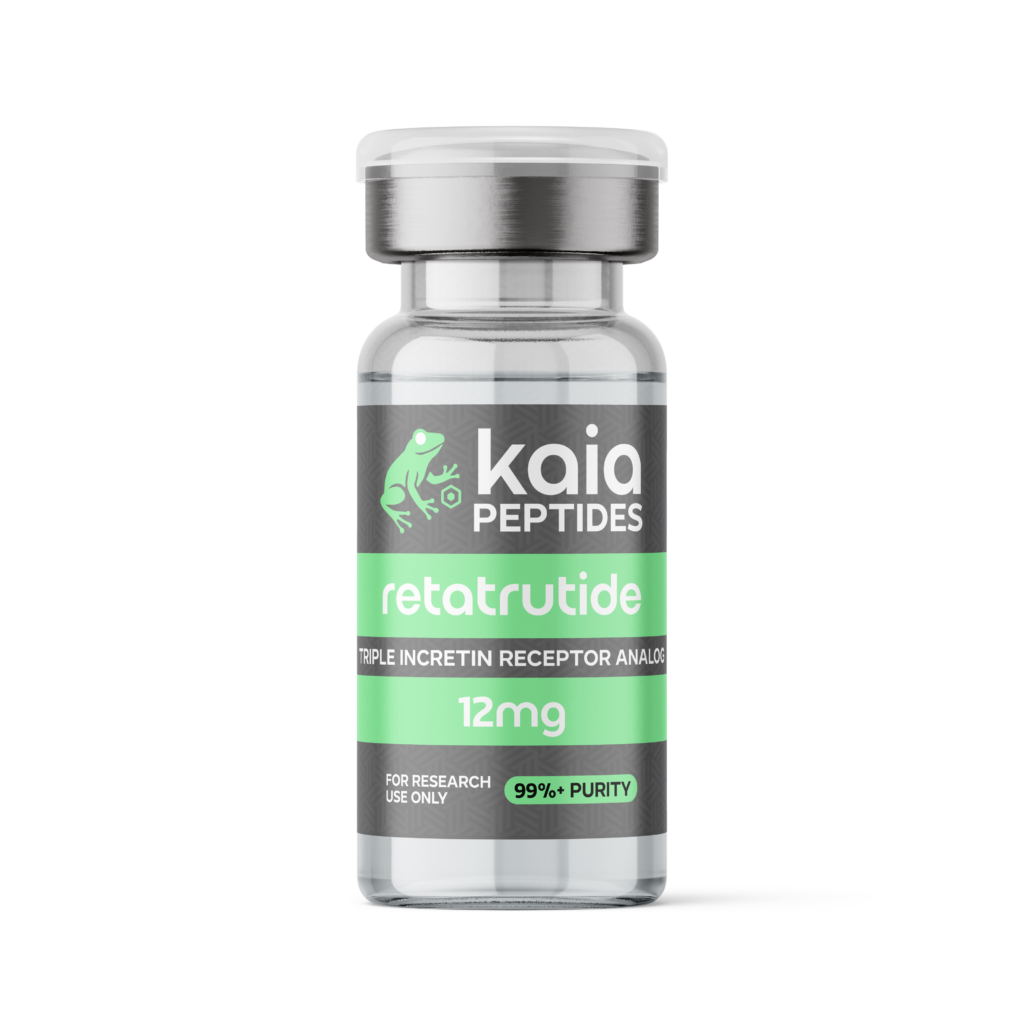
GLP-R3

$ 200

Add to cart
IN STOCK
IN STOCK

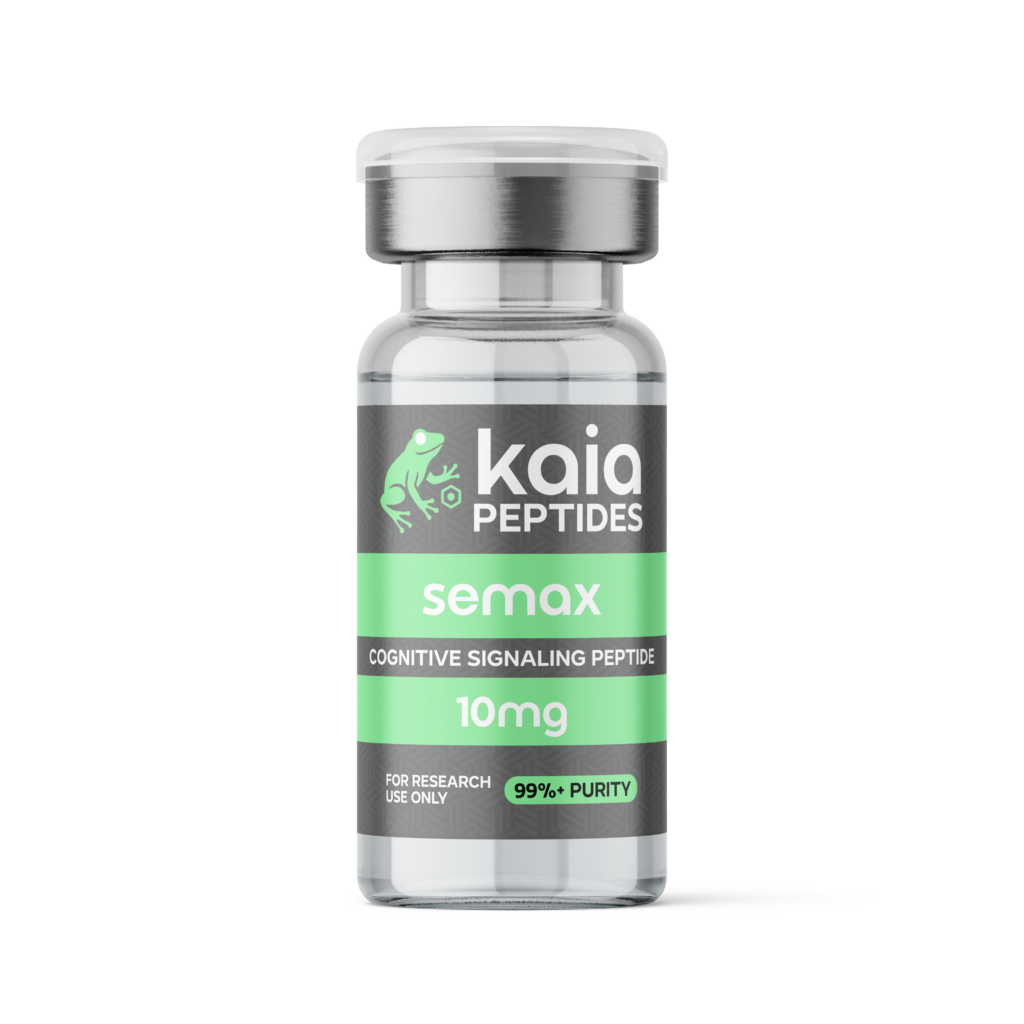
Semax

$ 100

Add to cart
IN STOCK
IN STOCK

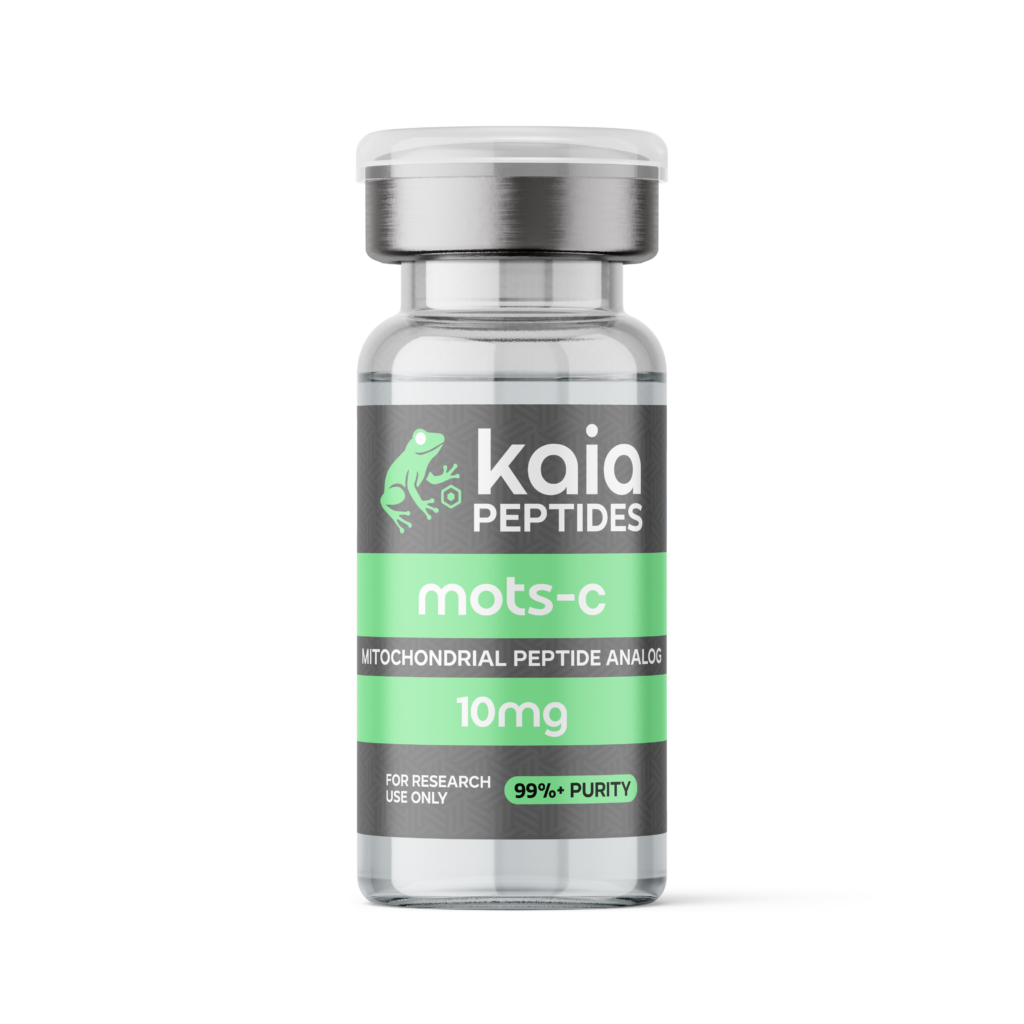
MOTS-C

$ 95

Add to cart
IN STOCK
IN STOCK

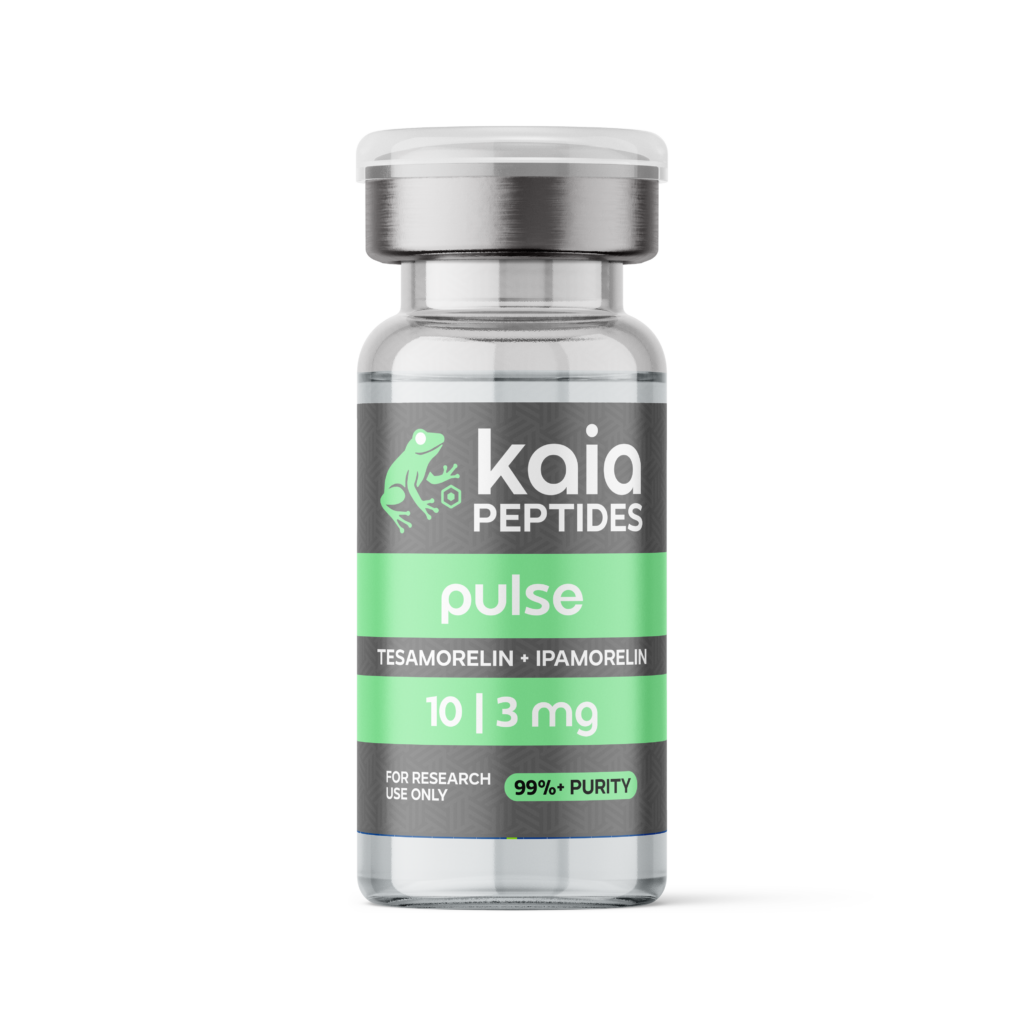
PULSE

$ 125

Add to cart
OUT OF STOCK
OUT OF STOCK

ELEVATE

$ 175

Out of stock

Read more
OUT OF STOCK
OUT OF STOCK

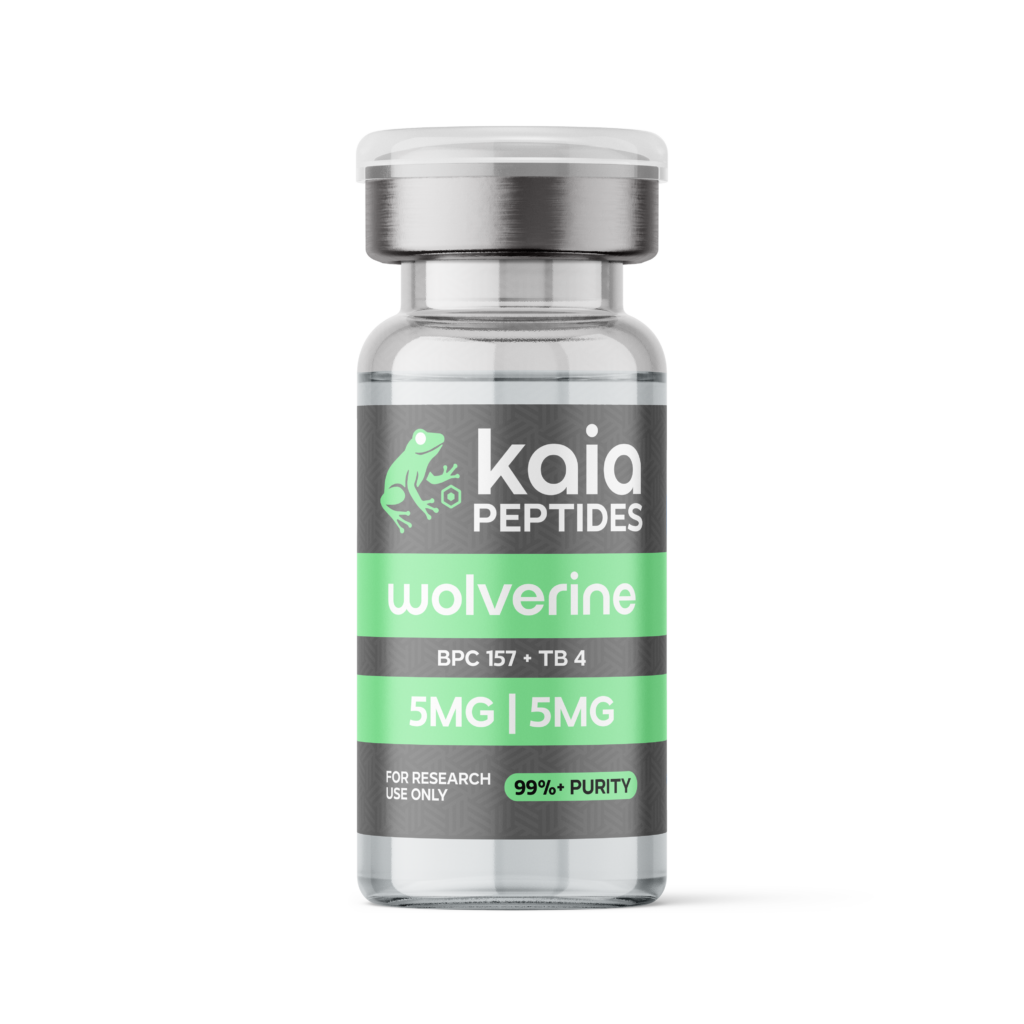
WOLVERINE

$ 115

Out of stock

Read more
OUT OF STOCK
OUT OF STOCK

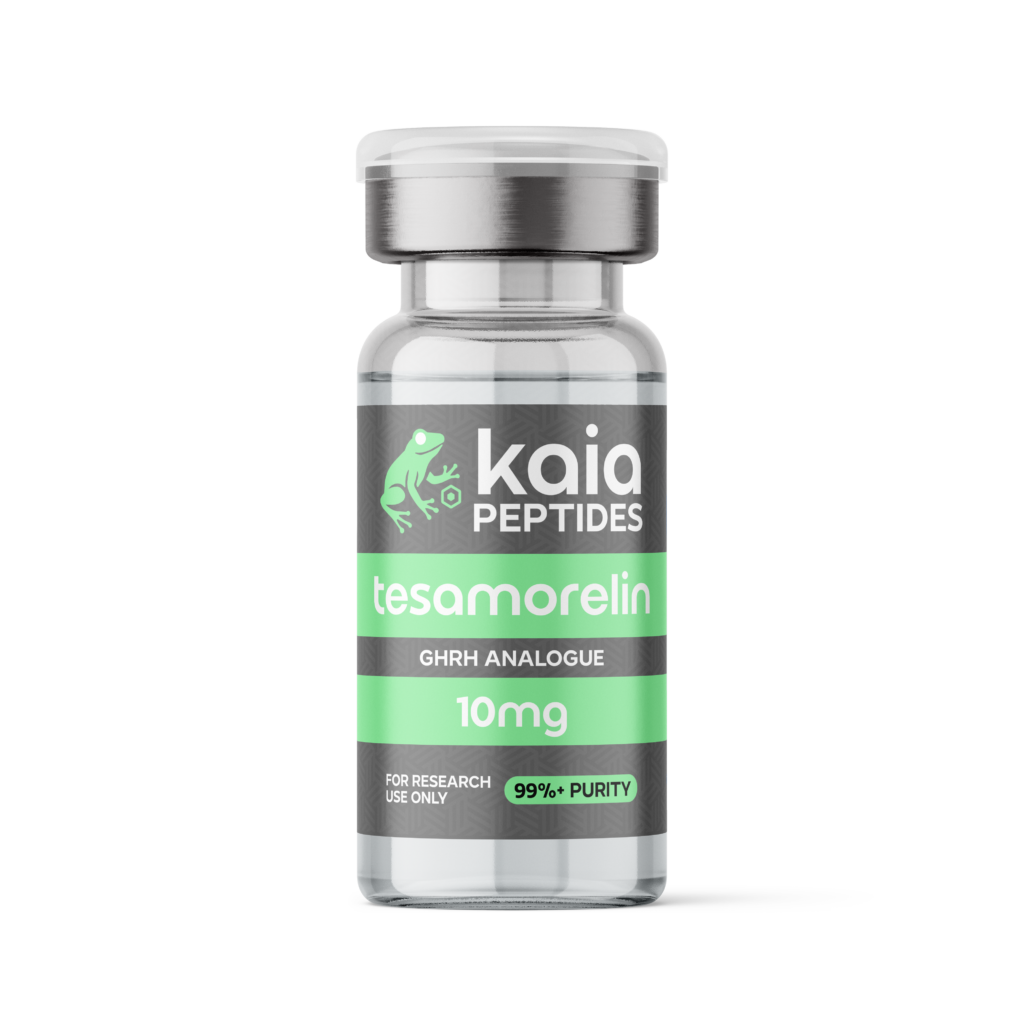
Tesamorelin

$ 135

Out of stock

Read more
OUT OF STOCK
OUT OF STOCK

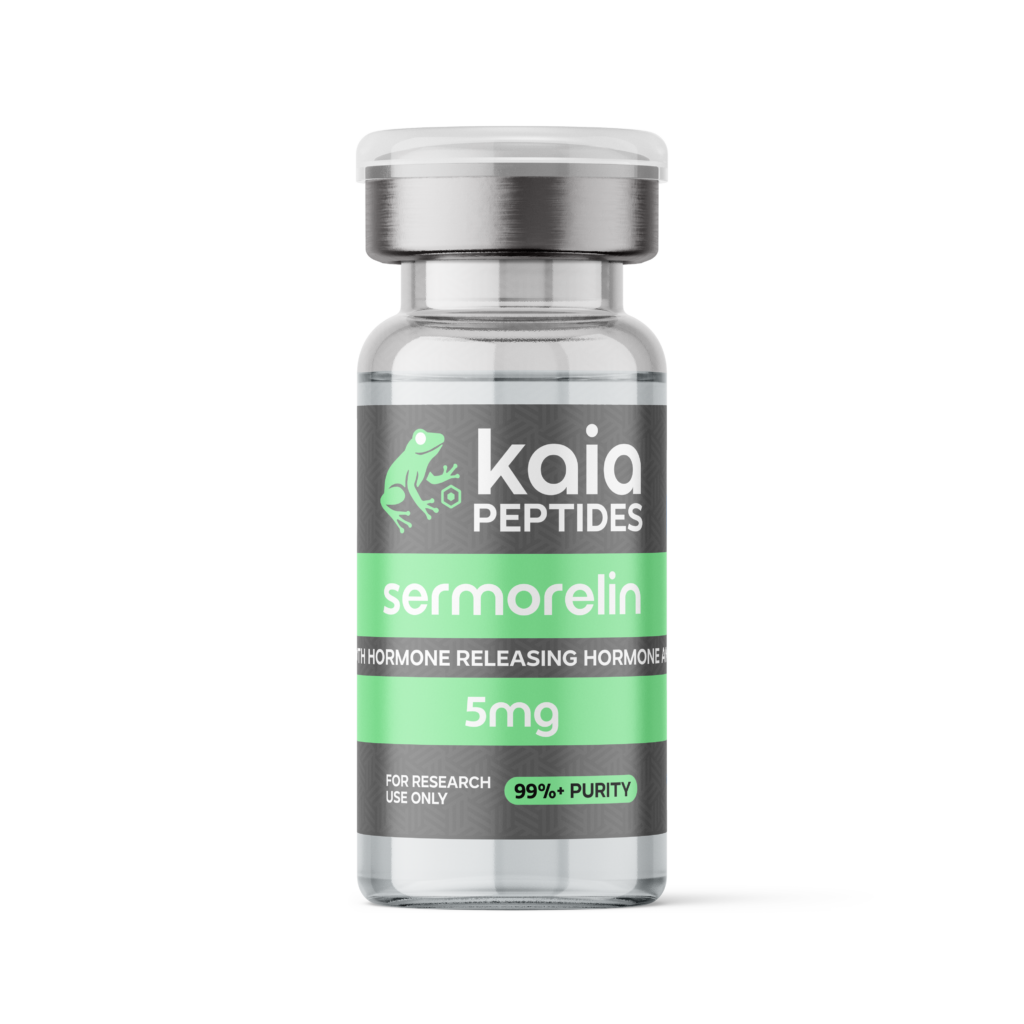
Sermorelin

$ 100

Out of stock

Read more
OUT OF STOCK
OUT OF STOCK

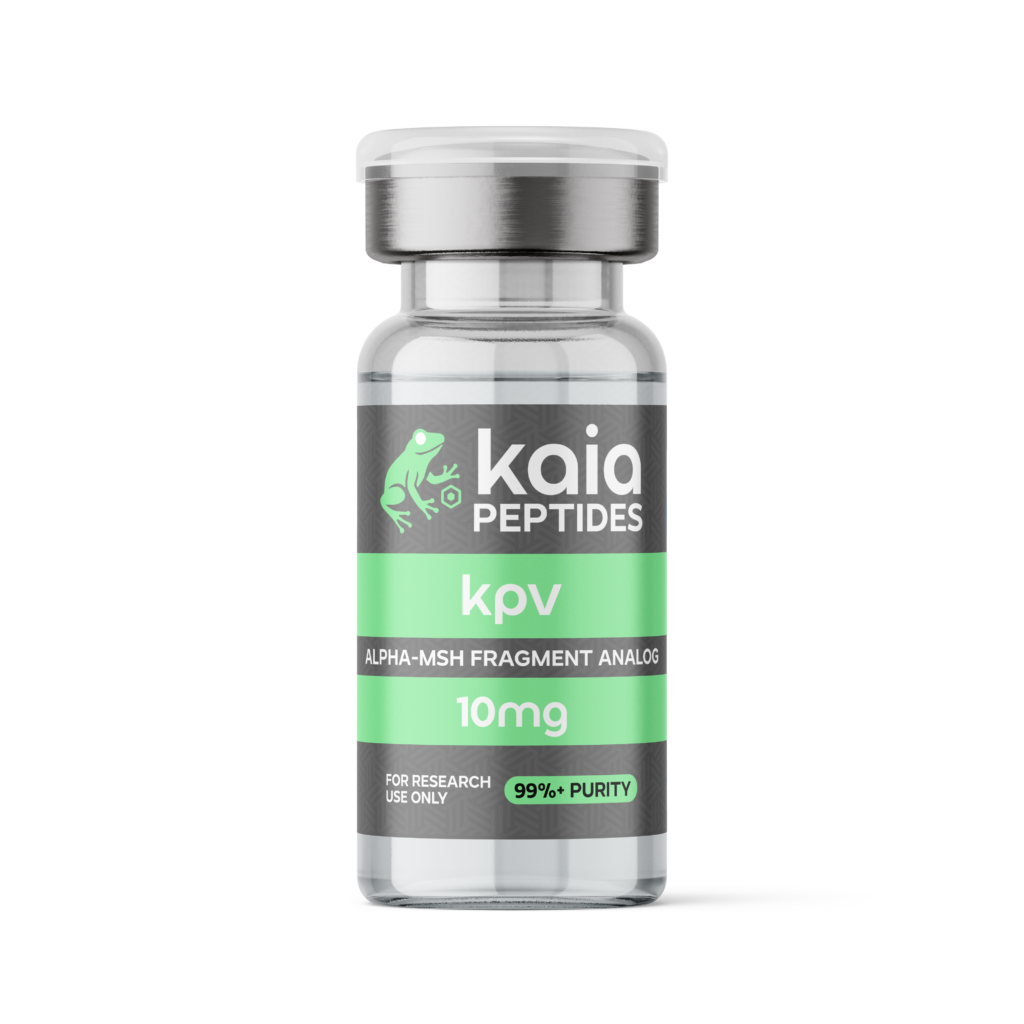
KPV

$ 55

Out of stock

Read more
OUT OF STOCK
OUT OF STOCK

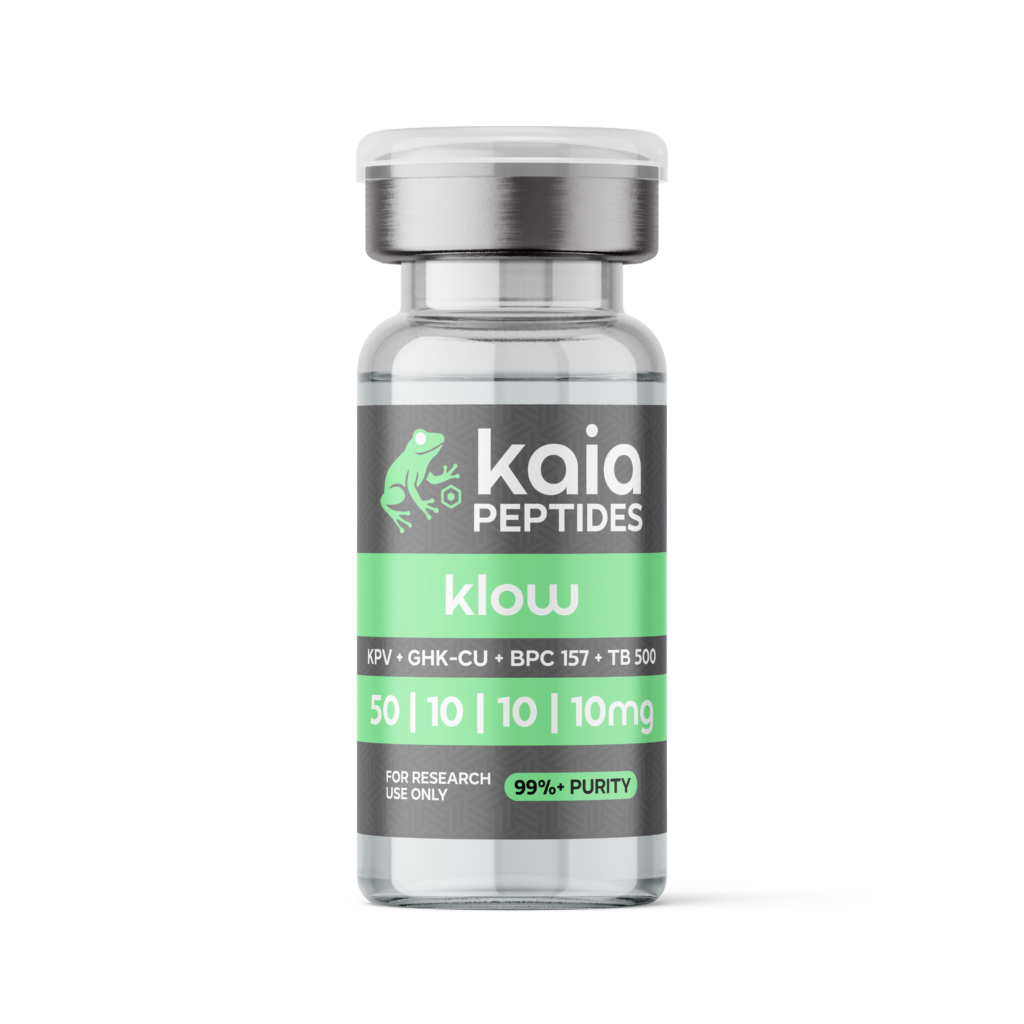
KLOW

$ 275

Out of stock

Read more
OUT OF STOCK
OUT OF STOCK

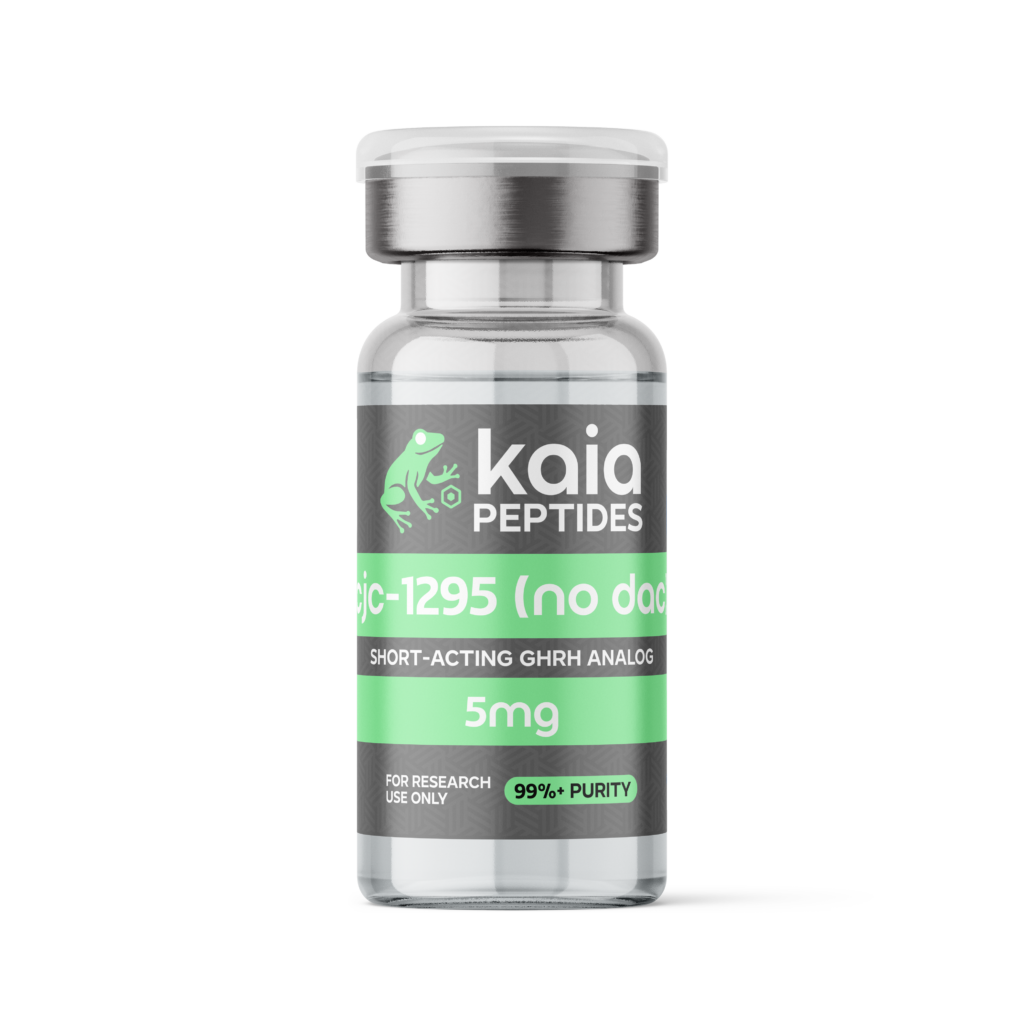
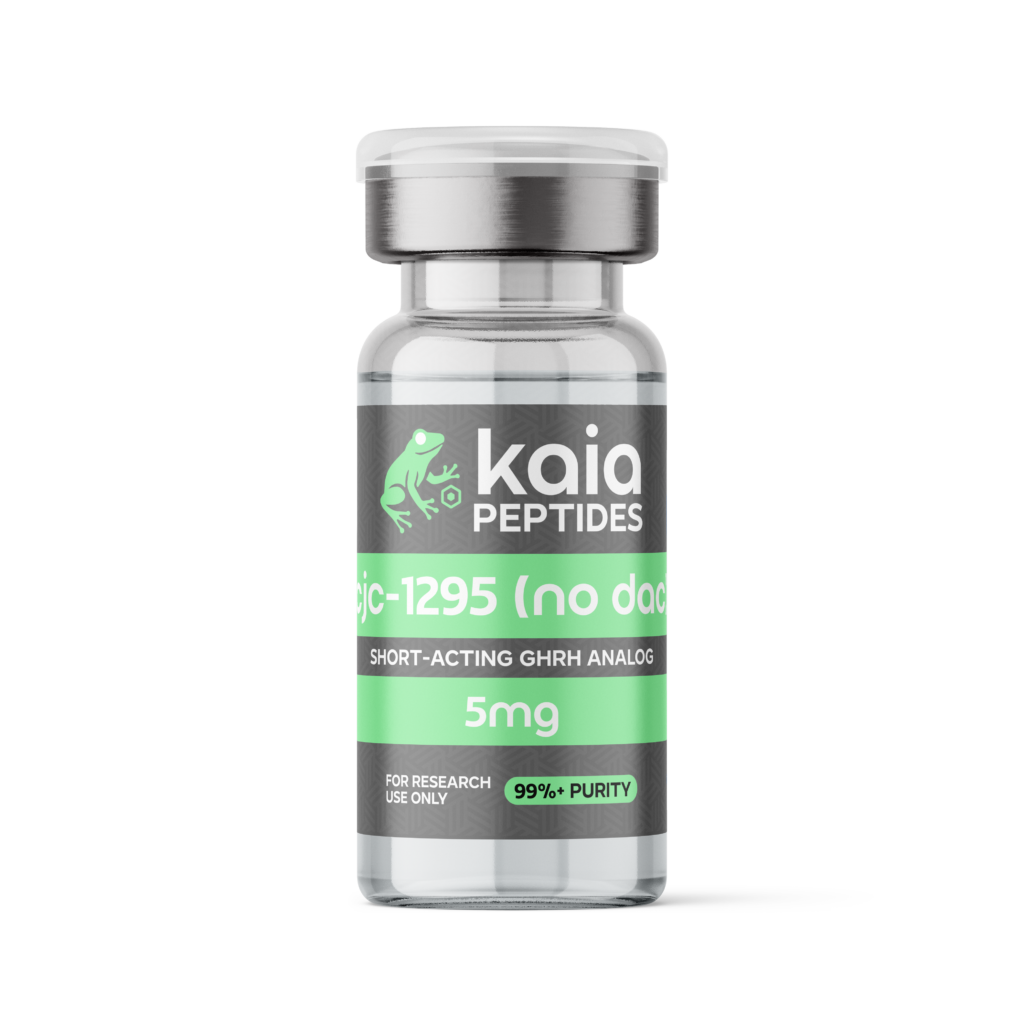
CJC-1295 (No DAC)

$ 85

Out of stock

Read more
OUT OF STOCK
OUT OF STOCK

AOD 9604

$ 75

Out of stock

Read more
OUT OF STOCK
OUT OF STOCK

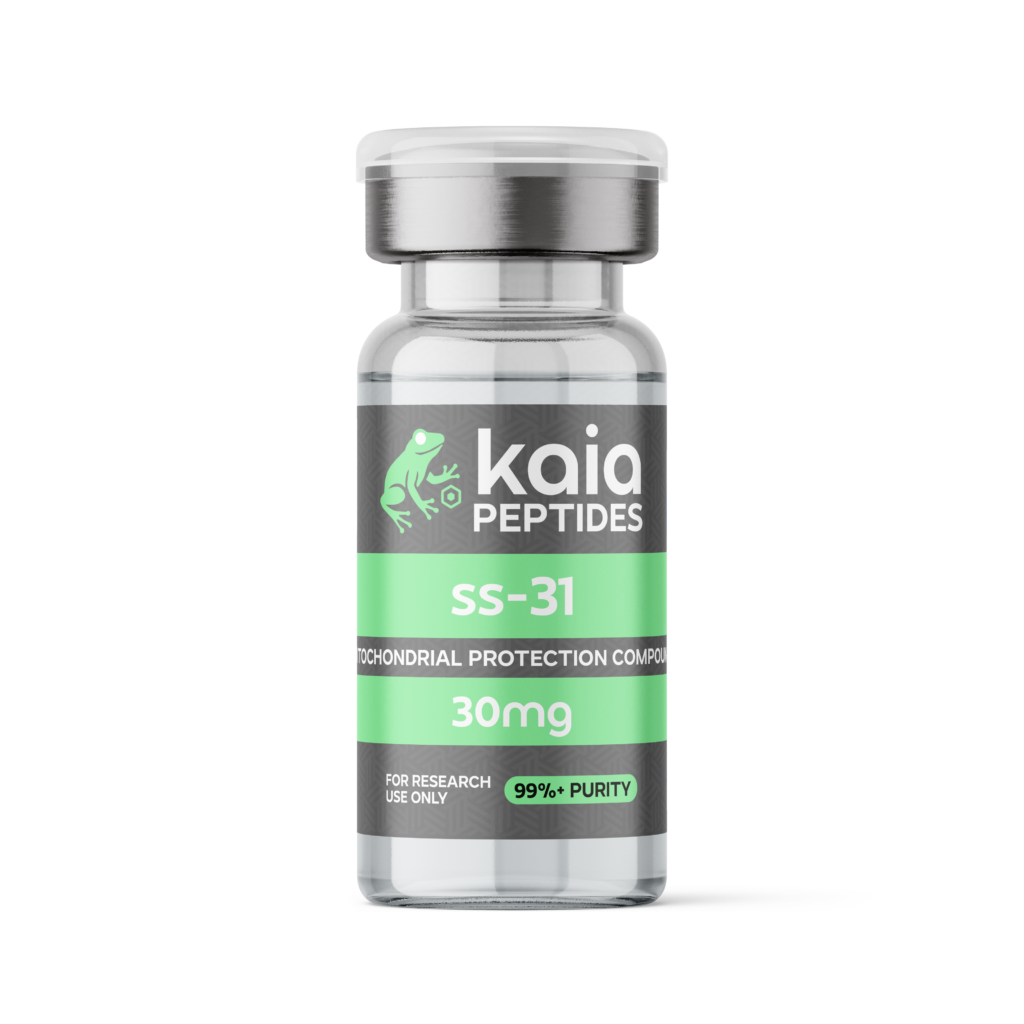
SS-31

$ 145

Out of stock

Read more

FAQs

Find answers to your most pressing questions about peptide categories and their usage.

 
What is AOD-9604? +
AOD-9604 is a modified fragment of human growth hormone (HGH), specifically amino acids 176–191. Researchers study it for its potential interaction with lipolysis-related pathways without the broad hormonal effects of full HGH. Think of it as the “fat-signal slice” of the larger hormone, isolated for controlled research.
Why is AOD-9604 studied in metabolic research? +
Preclinical models suggest AOD-9604 may influence pathways related to fat breakdown and energy regulation. Scientists examine it like studying the specific part of an engine responsible for fuel efficiency — rather than the entire engine.
How is AOD-9604 different from HGH? +
AOD-9604 is not growth hormone. It is a small fragment that does not activate HGH’s growth-related pathways in preclinical research. If HGH is a full symphony, AOD-9604 is a single instrument playing one specific melody.
Does AOD-9604 affect IGF-1 signaling? +
Animal and in-vitro studies indicate that AOD-9604 does not significantly stimulate IGF-1 levels. Researchers view it as a “metabolic-only signal” rather than a systemic growth signal.
Why is AOD-9604 often mentioned in fat metabolism studies? +
Early research showed that this peptide fragment may support: ● increased lipolysis (fat breakdown) ● decreased lipogenesis (fat creation) ● enhanced metabolic activity In metaphor: AOD-9604 is studied like a thermostat adjustment that influences how the body uses stored fuel.
How is AOD-9604 used in comparison to GLP-1 analogs like Semaglutide? +
GLP-1s work through appetite and glucose pathways. AOD-9604 works through fat metabolism pathways. They are different “control knobs” on the metabolic dashboard, and not interchangeable.
Why is AOD-9604 popular in sports performance research? +
Because it may influence fat utilization without affecting muscle growth or IGF-1 in animal models. Research interest comes from studying “lean fuel usage” rather than mass-building pathways.
How does AOD-9604 compare to CJC-1295 + Ipamorelin? +
● AOD-9604 = studied for lipolysis/signaling ● CJC + Ipamorelin = studied for GH/IGF-1 pathways One is fuel usage. The other is engine output. Researchers use them for completely different categories of study.
Is AOD-9604 safe in preclinical research? +
Animal studies show a strong safety profile at typical research doses. However, AOD-9604 is: ● Not FDA-approved ● Not for human consumption ● For laboratory research only Kaia operates strictly within these guidelines.
How should AOD-9604 be stored for research stability? +
Store sealed, cool, and away from direct light. Refrigerate short-term; freeze for long-term stability. Peptides are like rare biological reagents — best preserved cold and undisturbed.
Why is AOD-9604 called “the fat-burn fragment”? +
This nickname emerged from research showing its interaction with lipolytic pathways. Kaia makes no claims for human fat loss — it’s simply the focus of published preclinical literature.
Is AOD-9604 legal to purchase for research? +
Yes — when purchased for laboratory research only. Kaia Peptides follows all legal and compliance standards for non-therapeutic peptide distribution.