TB-500
Thymosin Beta-4 Fragment – Cellular Migration Research, Angiogenesis Modeling & Systemic Tissue-Response Studies
For laboratory research use only. Not for human or animal use. These products have not been evaluated by the U.S. Food and Drug Administration (FDA) and are not intended to diagnose, treat, cure, or prevent any disease.
What It Is TB-500?
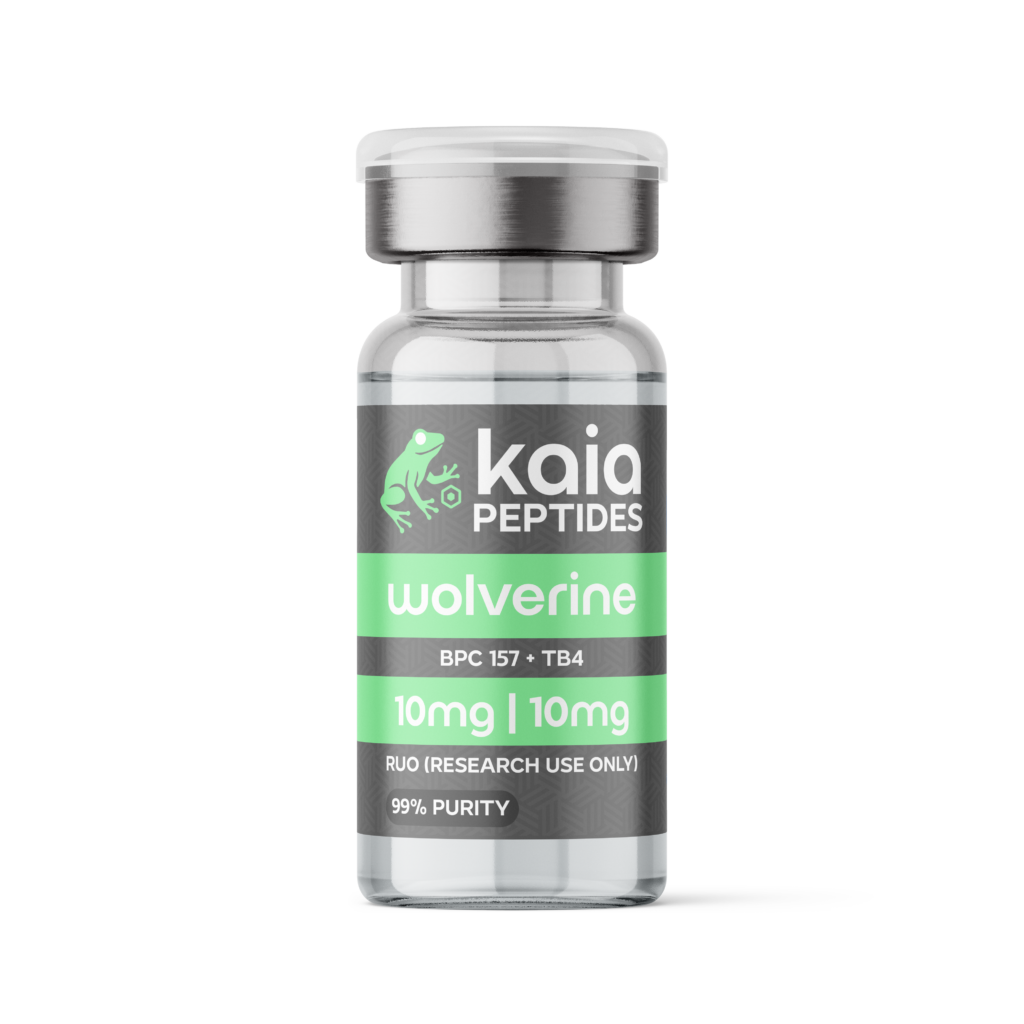
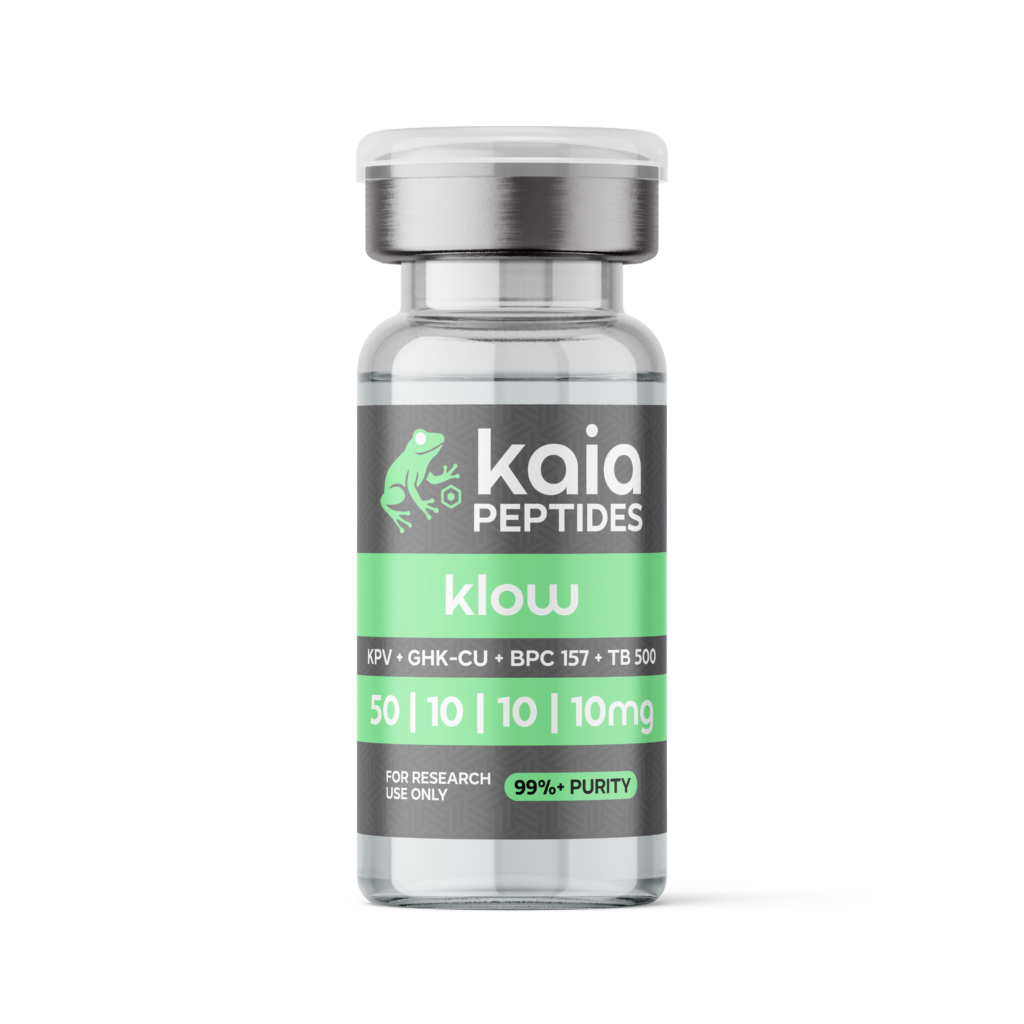
TB-500 is a synthetic peptide fragment of Thymosin Beta-4, a naturally occurring protein present in many cell types.
It is widely used in scientific and laboratory settings to study:
-
Cellular migration pathways
-
Tissue-regeneration models
-
Angiogenesis (blood-vessel formation)
-
Inflammation-response signaling
-
Musculoskeletal-repair mechanisms
-
System-wide tissue-response behavior
Because TB-500 exhibits broad distribution characteristics in research models, it is often explored for its ability to influence multiple tissues simultaneously rather than acting solely at a localized site.
Understanding TB-500 — A Metaphorical Research Analogy
Imagine a large country representing the biological system.
Across the country are:
-
Roads (muscle fibers)
-
Bridges (tendons and ligaments)
-
Highways (vascular pathways)
-
Repair stations (cellular-repair mechanisms)
Daily wear in experimental models may cause:
-
Road cracks (microtears)
-
Bridge strain (connective-tissue stress)
-
Traffic congestion (inflammation)
-
Blocked delivery routes (restricted blood flow)
Most repair crews stick to small regions.
TB-500 behaves differently — it functions like a nationwide repair commander capable of working across many regions at once.
• Building New Highways (Angiogenesis Research)
Researchers study TB-500 extensively for its influence on angiogenesis pathways, including:
In the metaphor, TB-500 constructs new roads and highways, allowing better transportation throughout the entire country.
• Deploying Repair Crews Across the Map (Cellular Migration Studies)
One of TB-500’s most notable research features is its ability to support cellular-migration mechanisms.
Scientists explore how TB-500 may influence:
-
Directed movement of repair cells
-
Faster arrival of cells at targeted tissue sites
-
Coordinated migration behavior
In the story, TB-500 sends repair teams quickly and efficiently to damaged locations — not waiting for slow, natural wandering.
• Clearing Traffic Jams (Inflammation-Response Models)
TB-500 is used to study inflammation-related pathways such as:
-
Cytokine-response modulation
-
Reduction of inflammatory congestion
-
Creation of an environment favorable for tissue modeling
This is like clearing gridlock so repair vehicles can reach their destinations sooner.
• Supporting Large-Scale Restoration (Systemic Action Profiles)
Researchers value TB-500 for its system-wide distribution characteristics, allowing them to study effects across:
-
Muscle tissue
-
Tendons and ligaments
-
Vascular structures
-
Dermal and skin models
-
Organ and nerve tissues
In the analogy, TB-500 improves repair logistics across the entire country — not just one city.
The Result: A Coordinated, Efficient Tissue-Response System (In Research Models)
When studied in controlled environments, TB-500 allows researchers to explore:
-
Accelerated cellular migration
-
Enhanced angiogenesis pathways
-
More efficient tissue-response cycles
-
System-wide coordination in repair signaling
-
Reduced inflammatory load in models
-
Regenerative mechanisms across multiple tissue types
In metaphor form:
TB-500 provides a robust platform for studying broad regenerative and repair-related biological processes.
For Research Use Only.
Not for human consumption. Not for medical, therapeutic, or veterinary use.
Descriptions are for scientific, laboratory, and educational reference only.