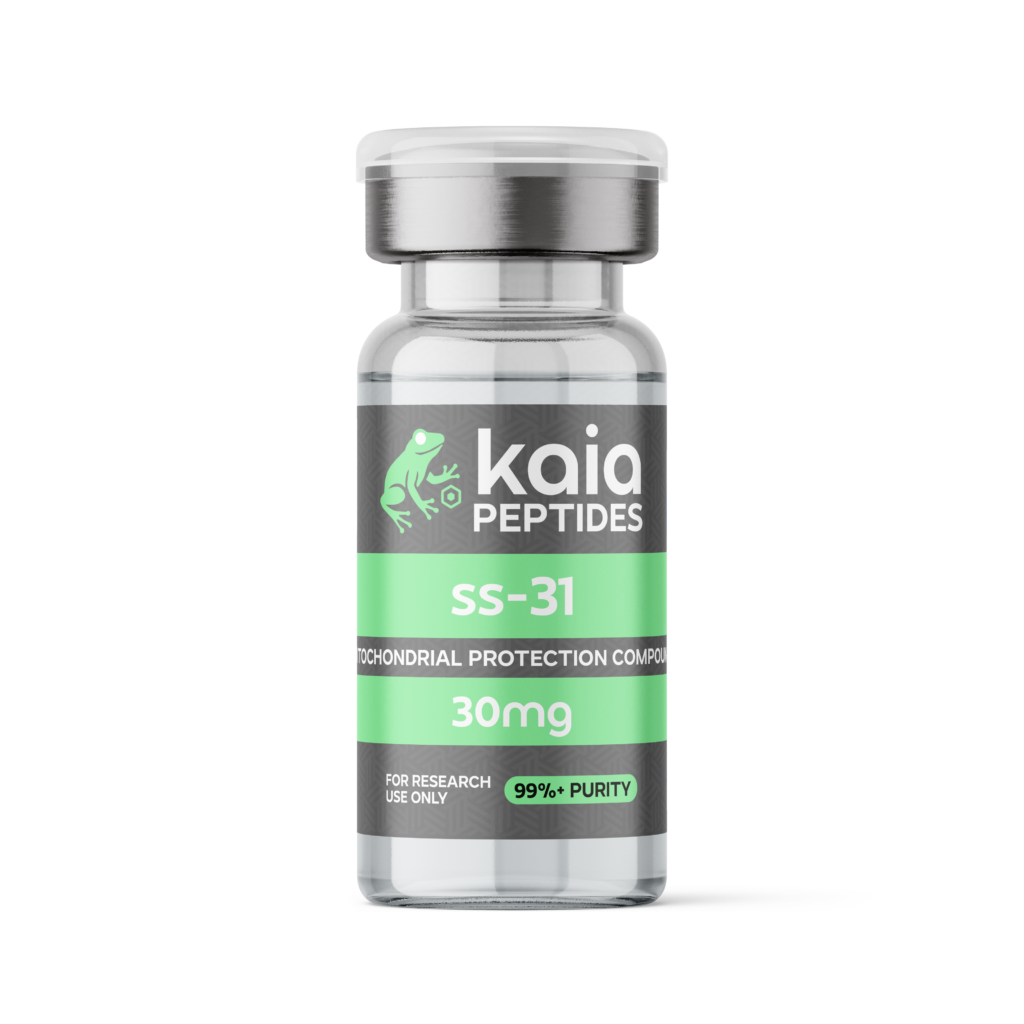
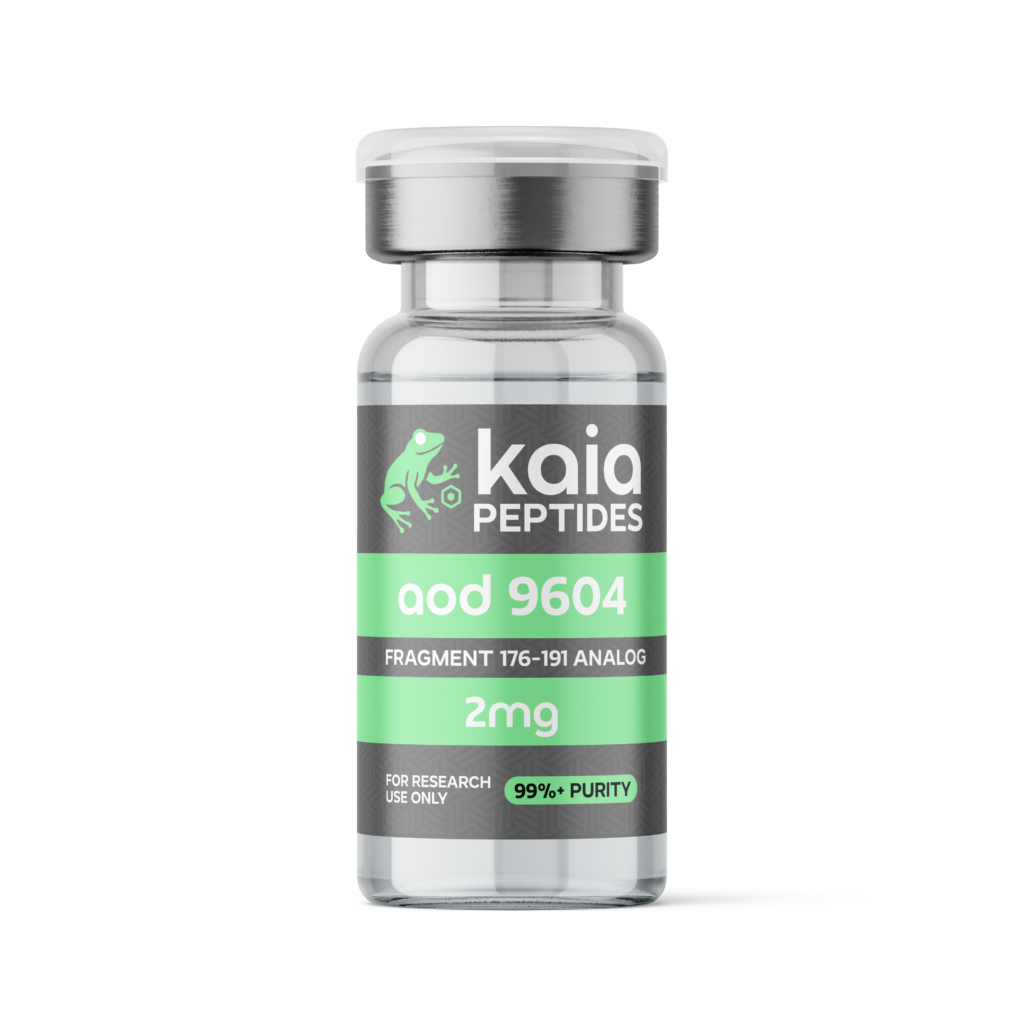
SS-31 (30mg)
Mitochondria-Targeting Tetrapeptide – Cardiolipin Stabilization Research, ATP Pathway Studies & Cellular-Stress Modeling
For laboratory research use only. Not for human or animal use. These products have not been evaluated by the U.S. Food and Drug Administration (FDA) and are not intended to diagnose, treat, cure, or prevent any disease.
What Is SS-31?
SS-31 (also known as Elamipretide) is a mitochondria-targeting tetrapeptide widely used in scientific research for studying:
-
Mitochondrial-membrane protection
-
Cardiolipin interaction and stabilization
-
ATP-production signaling pathways
-
Oxidative-stress modulation
-
Cellular-resilience responses under stress conditions
-
Energy-efficiency behavior in mitochondrial models
A unique feature of SS-31 is its ability to accumulate within mitochondria, where researchers can examine how it interacts with cardiolipin — a key phospholipid responsible for maintaining mitochondrial structure and function.
Understanding SS-31 — A Metaphorical Research Analogy
To visualize how SS-31 is studied, imagine each cell as a complex city.
Within every city sits a power plant — the mitochondrion.
The power plant supplies electricity (ATP) that runs:
-
Lights (metabolic processes)
-
Machines (muscle-model systems)
-
Data centers (neural-model activity)
-
Infrastructure (cellular-integrity systems)
As the experimental model ages or undergoes stress, the power plants begin to show wear:
Researchers use SS-31 to study how a targeted peptide might influence these failing mitochondrial “power plants.”
• SS-31 Repairs the Wiring (Cardiolipin Stabilization Research)
Cardiolipin is a specialized lipid that maintains mitochondrial-membrane structure.
When this lipid destabilizes, the entire power-generation system suffers.
SS-31 is studied for how it:
In the analogy, SS-31 acts like an electrical engineer rewiring damaged circuits.
• Boosting Output (ATP-Production Modeling)
With stabilized wiring, turbines in the model power plant begin operating more consistently.
Researchers analyze whether this leads to:
-
Improved ATP-signaling pathways
-
Enhanced energy-production behavior
-
Reduced inefficiency under stress
This corresponds to brighter lights throughout the “city.”
• Reducing Sparks (Oxidative-Stress Modulation)
Aging or stressed mitochondria often produce large amounts of reactive oxygen species (ROS).
SS-31 is evaluated for:
In the metaphor, this is the fire-suppression team preventing equipment damage.
• Stabilizing Under Pressure (Stress-Response Modeling)
When energy demand increases, most power plants struggle.
Researchers observe SS-31 to study:
This represents power plants staying functional even during peak strain.
• Reviving Failing Plants (Aging-Model Research)
In older or damaged models, mitochondria may produce very little energy.
Scientists use SS-31 to explore:
-
Revitalization of low-functioning mitochondria
-
Restoration of membrane potential
-
Improved cellular-energy dynamics
In the analogy, entire districts of the “city” regain power.
Combined Research Perspective
SS-31 is a valuable research peptide for scientists studying:
-
Mitochondrial function and resilience
-
Cardiolipin-targeting interactions
-
ATP-production pathways
-
Oxidative-stress behavior
-
Cellular aging models
-
Energetic efficiency under load
The city-power-plant metaphor helps conceptualize these complex mitochondrial processes in controlled laboratory environments.
For Research Use Only.
Not for human consumption. Not for medical, therapeutic, or veterinary use.
Descriptions are for scientific, laboratory, and educational reference only.