99%+ Purity • American Lab Tested • Free shipping $250+ • For Research Use Only Dismiss

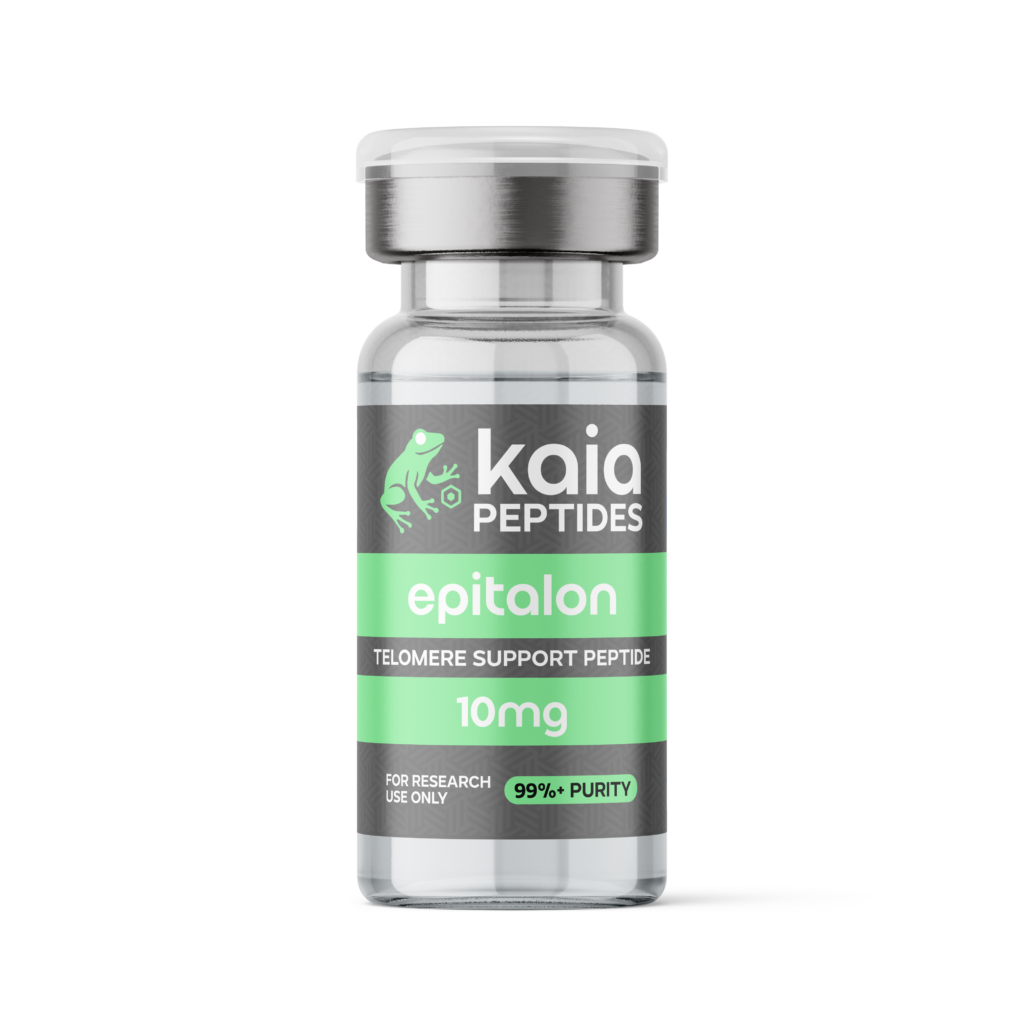
Epitalone

OUT OF STOCK
OUT OF STOCK

$ 65

Out of stock

Product Discription

Epitalone (10mg)

Telomere-Pathway Research Peptide – Cellular-Aging Models, Circadian Signaling & Stress-Response Studies

For laboratory research use only. Not for human or animal use. These products have not been evaluated by the U.S. Food and Drug Administration (FDA) and are not intended to diagnose, treat, cure, or prevent any disease.

What Is Epitalone?

Epitalone (Epitalon) is a synthetic peptide modeled after a naturally occurring compound associated with the pineal gland. In scientific and laboratory research, it is frequently used to explore:

  • Telomere-maintenance pathway behavior

  • Cellular aging and senescence models

  • Antioxidant-related signaling

  • Circadian-rhythm regulation mechanisms

  • Stress-response and adaptation patterns

Researchers study Epitalone for its ability to interact with telomere biology, gene-expression frameworks, and time-regulated cellular processes in controlled environments.


Understanding Epitalone — A Metaphorical Research Analogy

Imagine a massive library used by researchers as a symbolic representation of genome and cell-aging models.

Each book in this library represents a cell’s DNA.

At the end of every book is a bookmark, symbolizing the telomere that protects the integrity of each “chapter.”

Every time a book is checked out (cell division), a tiny amount of wear occurs on the bookmark.
As this process repeats, bookmarks may shorten, leading to:

  • Damaged chapters

  • Torn pages

  • Reduced readability

  • Library-wide aging

Researchers use Epitalone to explore how telomere-related pathways behave when a “specialized librarian” enters the environment.


• Epitalone Strengthens the Bookmarks (Telomere-Pathway Study)

In this analogy, Epitalone represents a signal that:

  • Helps maintain bookmark stability

  • Supports telomere-related pathway activity

  • Preserves chapter integrity in experimental models

This helps researchers observe how telomere maintenance correlates with cellular-aging processes.


• Slowing Wear-and-Tear (Aging-Model Regulation)

As books are repeatedly handled, their structure weakens.

Epitalone is studied for:

  • Regulating cell-cycle timing

  • Influencing senescence-related markers

  • Maintaining genomic stability

This metaphorically keeps the books stronger for longer within the research library.


• Improving the Lighting System (Antioxidant-Signaling Research)

Strong, stable lighting in a library represents:

  • Lower oxidative-stress environments

  • Cleaner internal cellular conditions

  • Reduced ROS-related damage

Epitalone is researched for its relationship to antioxidant pathways and oxidative-stress modulation.


• Resetting the Opening Hours (Circadian-Rhythm Models)

When a library keeps unpredictable hours, disorganization grows.

Epitalone is examined for:

  • Circadian rhythm regulation

  • Pineal-related signaling

  • Time-dependent cellular processes

Researchers evaluate how these rhythms influence aging and repair models.


• Supporting an Organized Library (Stress-Adaptation Studies)

A calm, well-managed library ages more gracefully.

In stress-response experiments, researchers study Epitalone for:

  • Homeostasis-supporting signals

  • Cellular resilience behavior

  • System-wide stability under stress

This analogy represents maintaining an orderly, adaptive experimental environment.


Combined Research Perspective

In laboratory studies, Epitalone helps scientists explore:

  • Telomere-maintenance mechanisms

  • Cellular-aging and senescence pathways

  • Antioxidant-signaling effects

  • Circadian timing regulation

  • Stress-response and adaptation models

  • Multi-layer interactions affecting longevity research

The library analogy illustrates these mechanisms without implying any medical or human-use outcome.


For Research Use Only.
Not for human consumption. Not for medical, therapeutic, or veterinary use.
Descriptions are for scientific, laboratory, and educational reference only.

Explore

Discover Our Range of Peptide Solutions

IN STOCK
IN STOCK

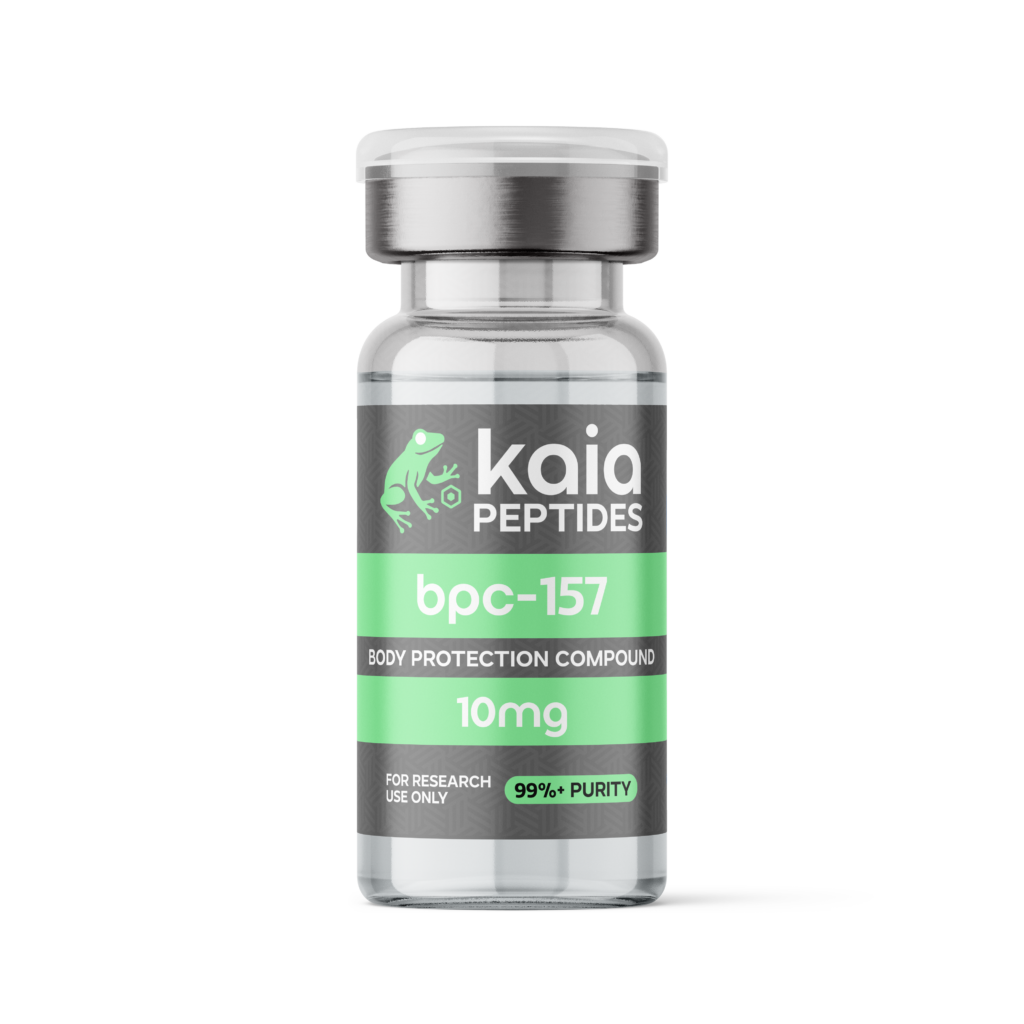
BPC-157

$ 95

Add to cart
IN STOCK
IN STOCK

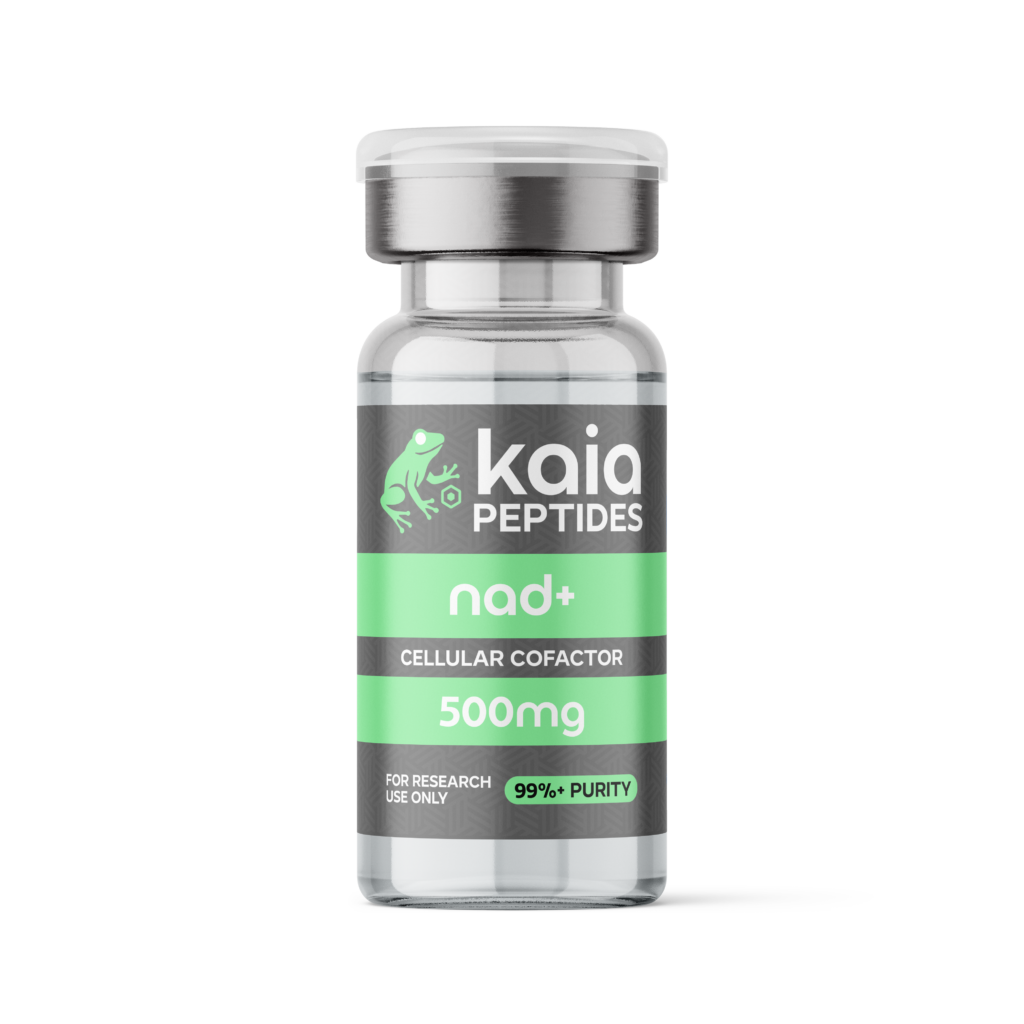
NAD+

$ 165

Add to cart
IN STOCK
IN STOCK

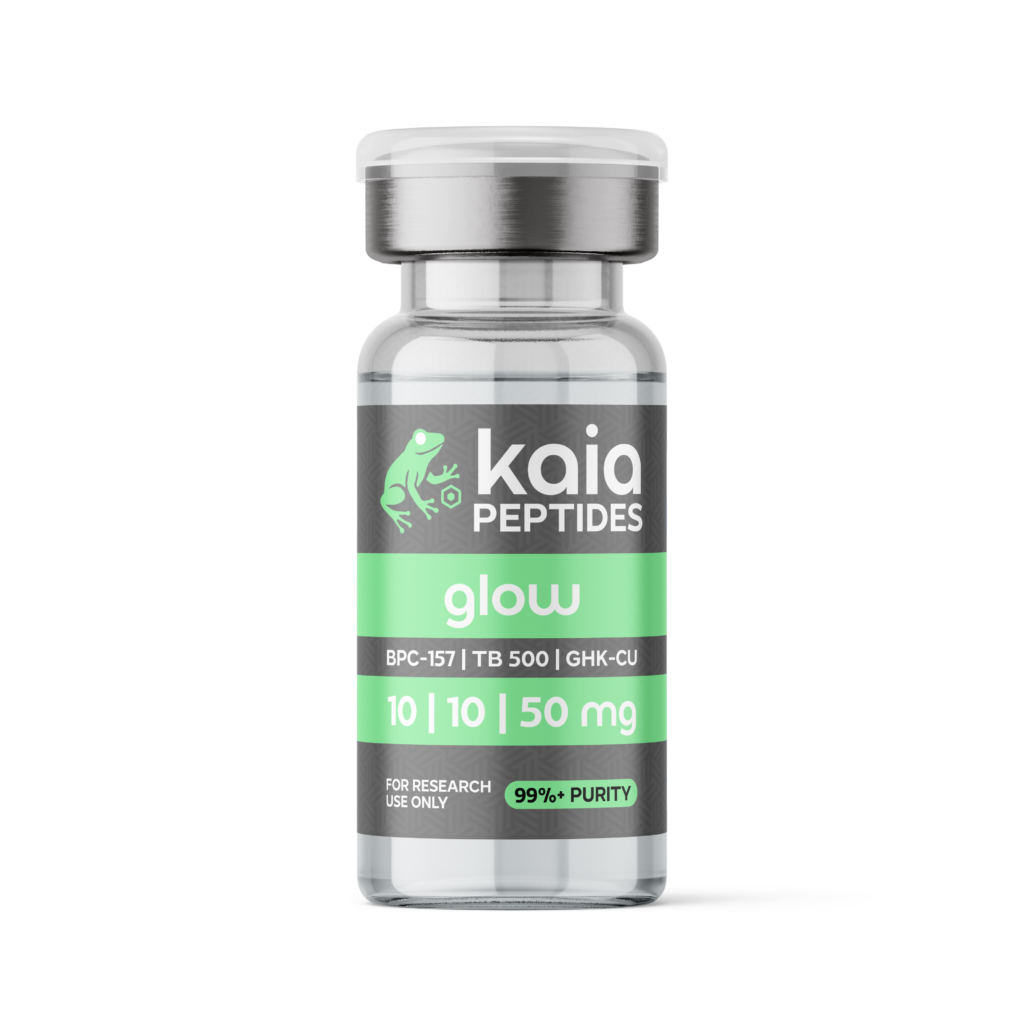
GLOW

$ 165

Add to cart
IN STOCK
IN STOCK

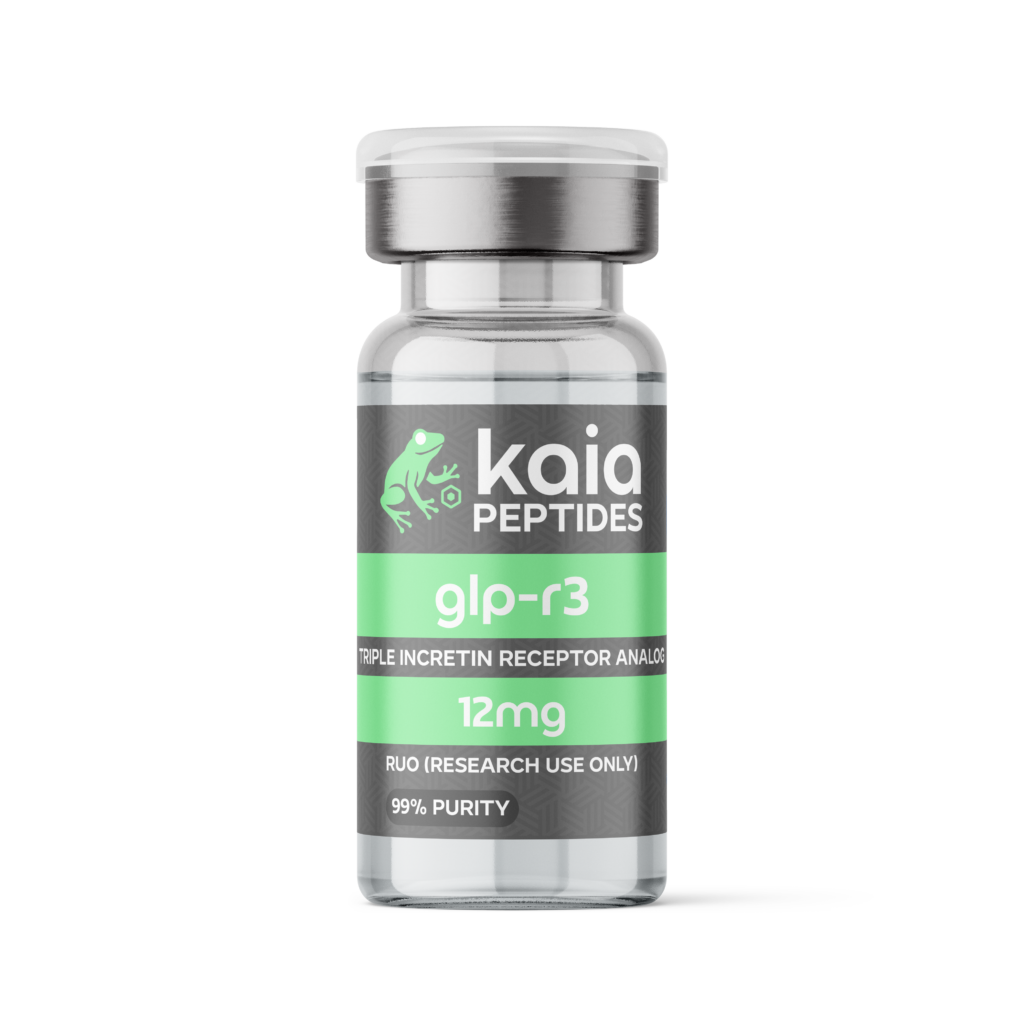
GLP-R3

$ 200

Add to cart
IN STOCK
IN STOCK

Semax

$ 100

Add to cart
IN STOCK
IN STOCK

MOTS-C

$ 95

Add to cart
IN STOCK
IN STOCK

PULSE

$ 125

Add to cart
OUT OF STOCK
OUT OF STOCK

ELEVATE

$ 175

Out of stock

Read more
OUT OF STOCK
OUT OF STOCK

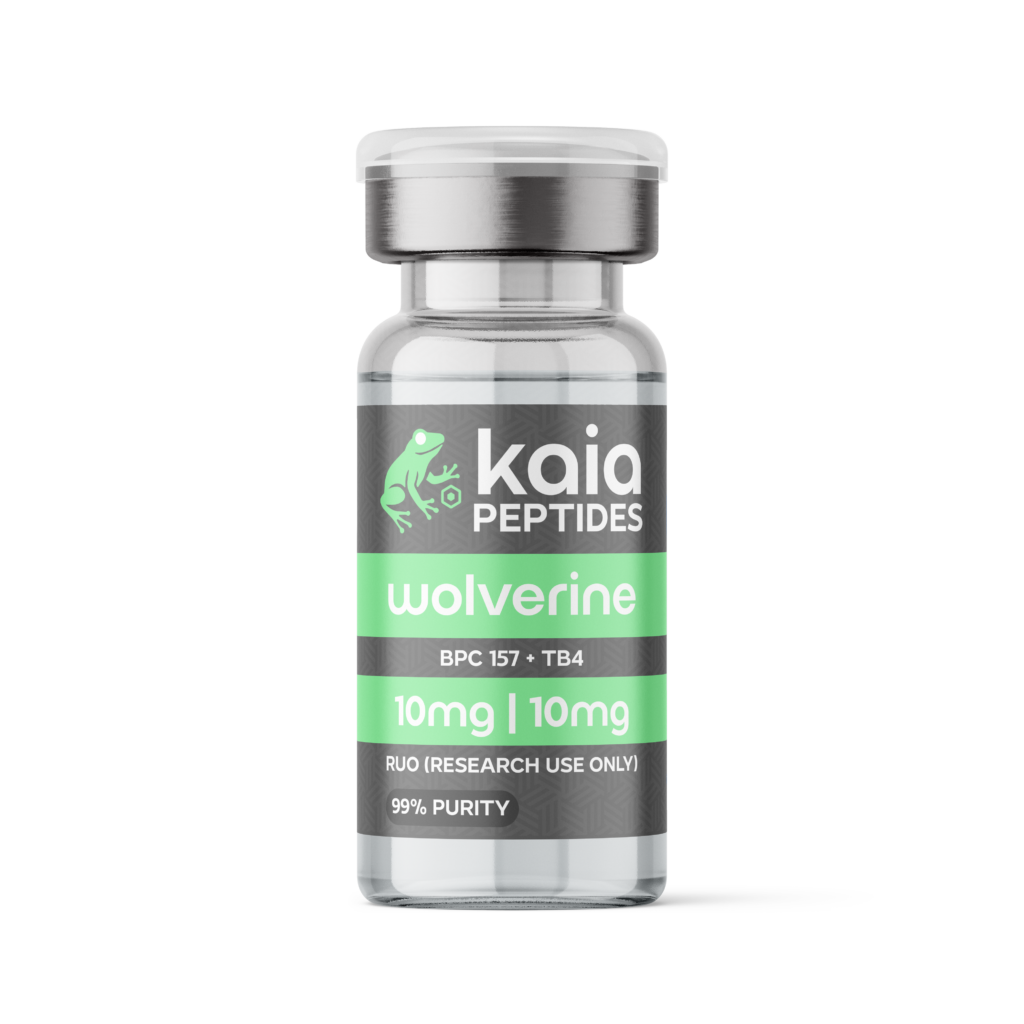
WOLVERINE

$ 115

Out of stock

Read more
OUT OF STOCK
OUT OF STOCK

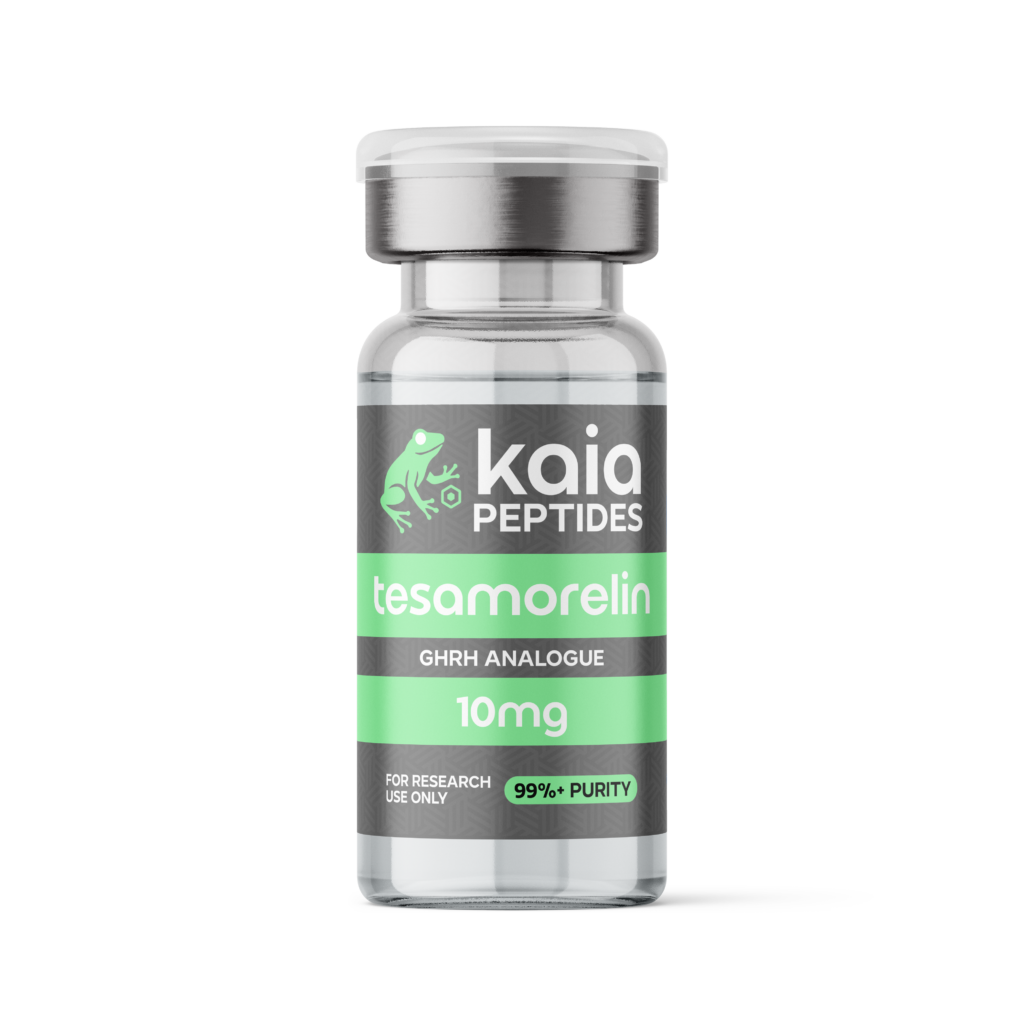
Tesamorelin

$ 135

Out of stock

Read more
OUT OF STOCK
OUT OF STOCK

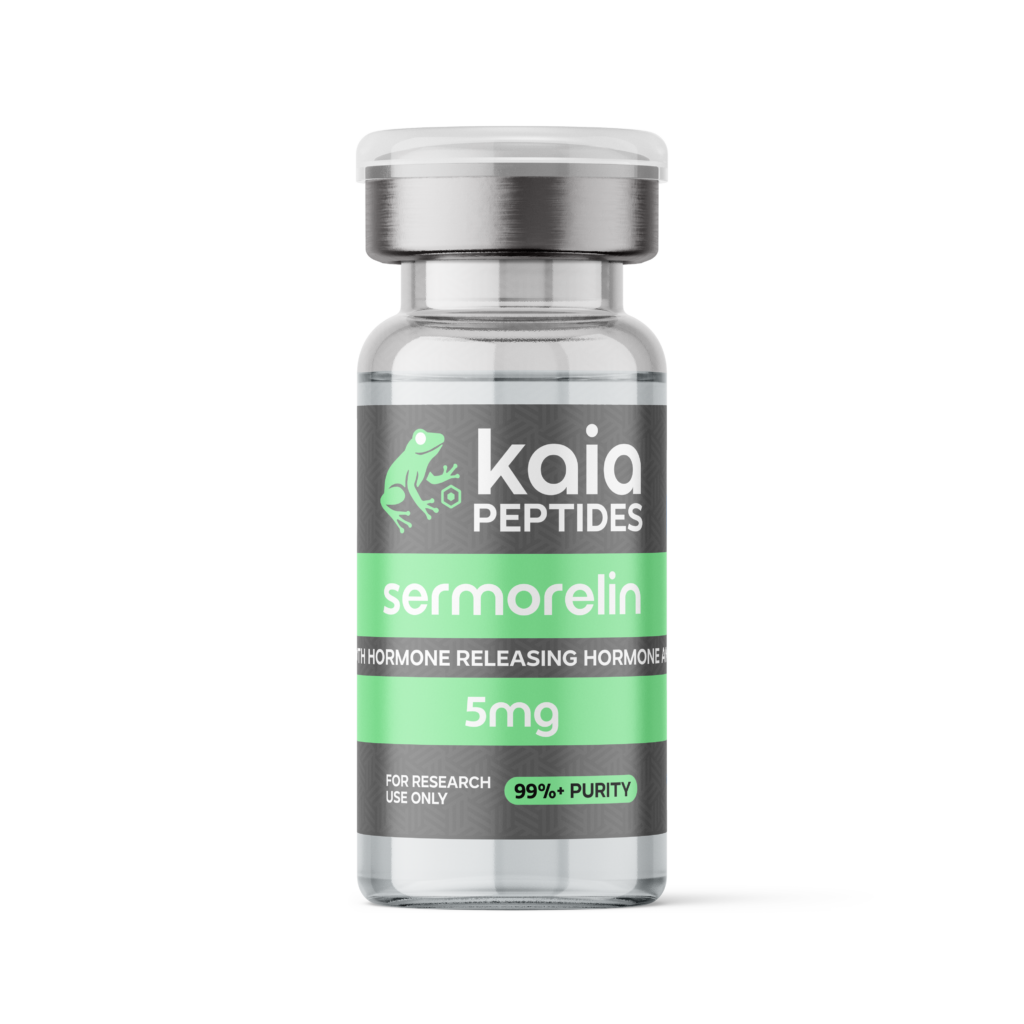
Sermorelin

$ 100

Out of stock

Read more
OUT OF STOCK
OUT OF STOCK

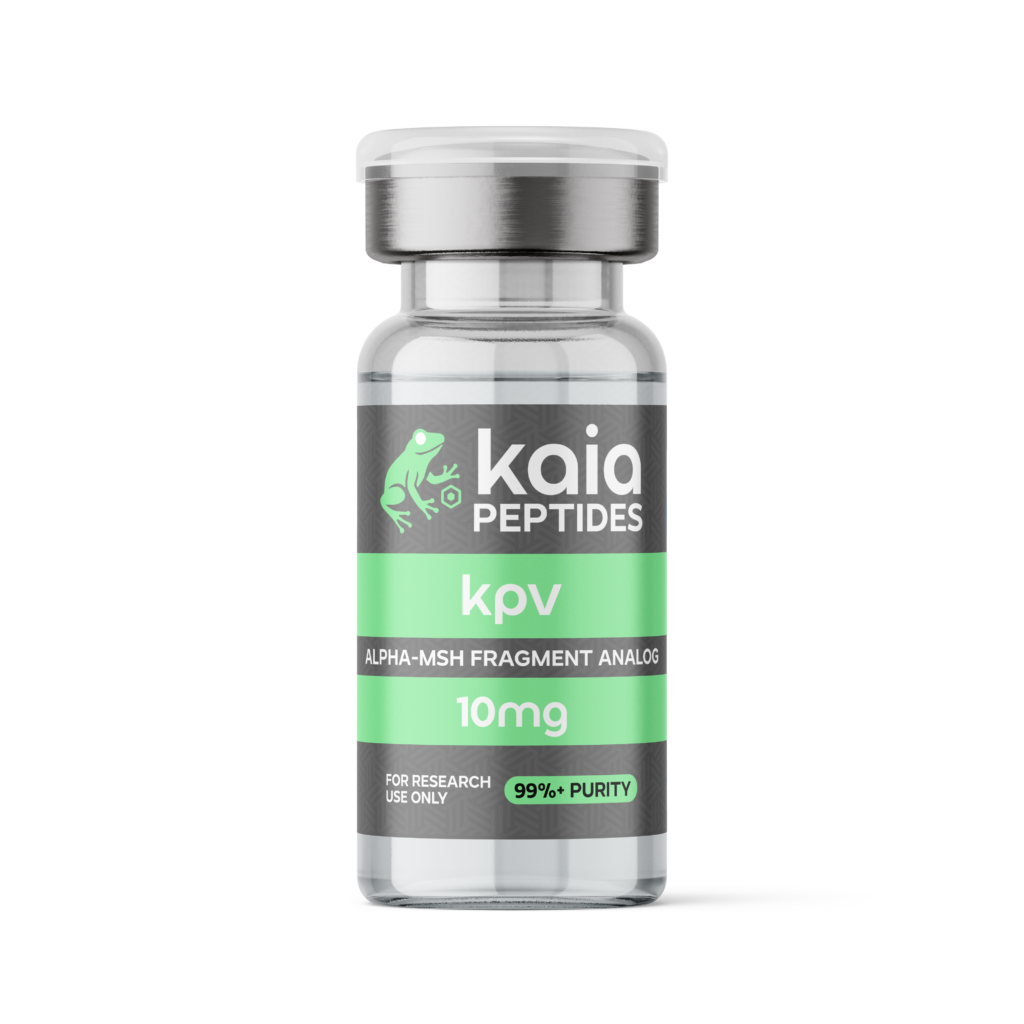
KPV

$ 55

Out of stock

Read more
OUT OF STOCK
OUT OF STOCK

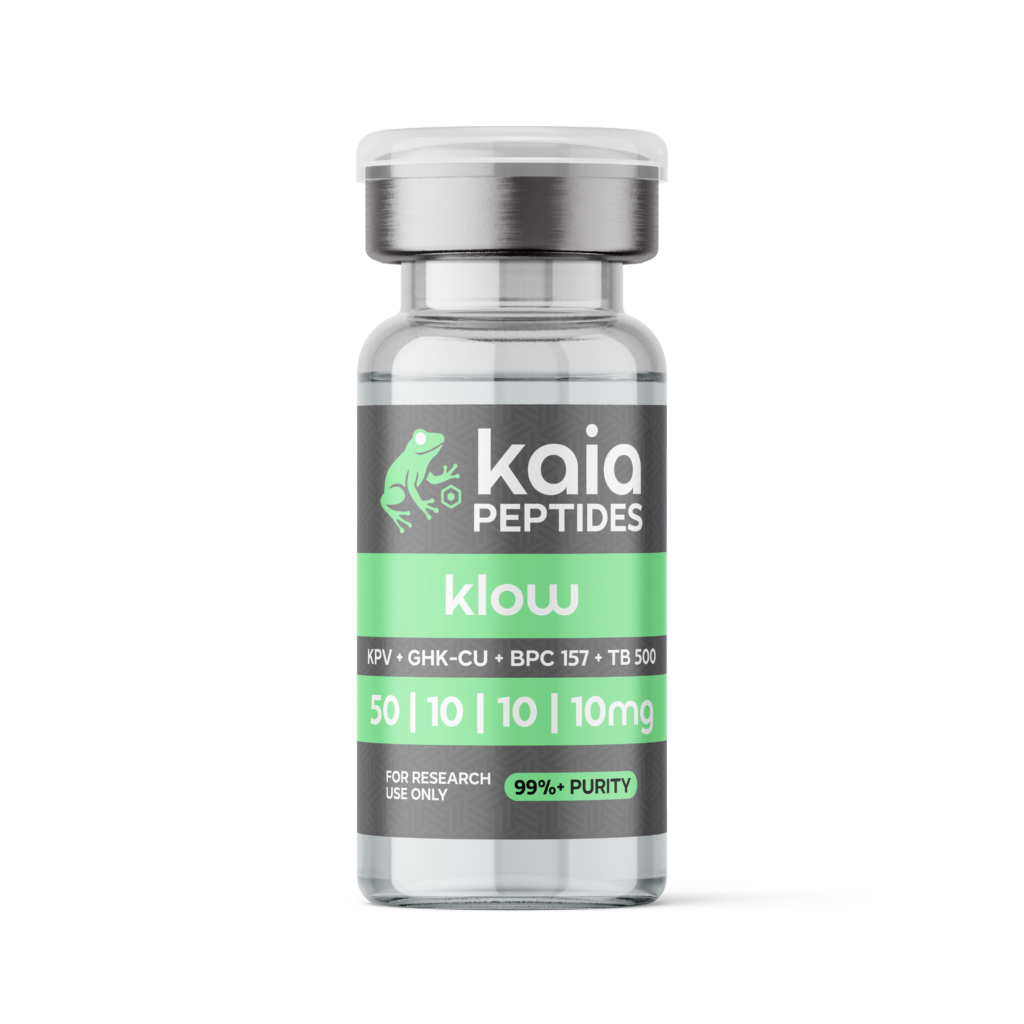
KLOW

$ 275

Out of stock

Read more
OUT OF STOCK
OUT OF STOCK

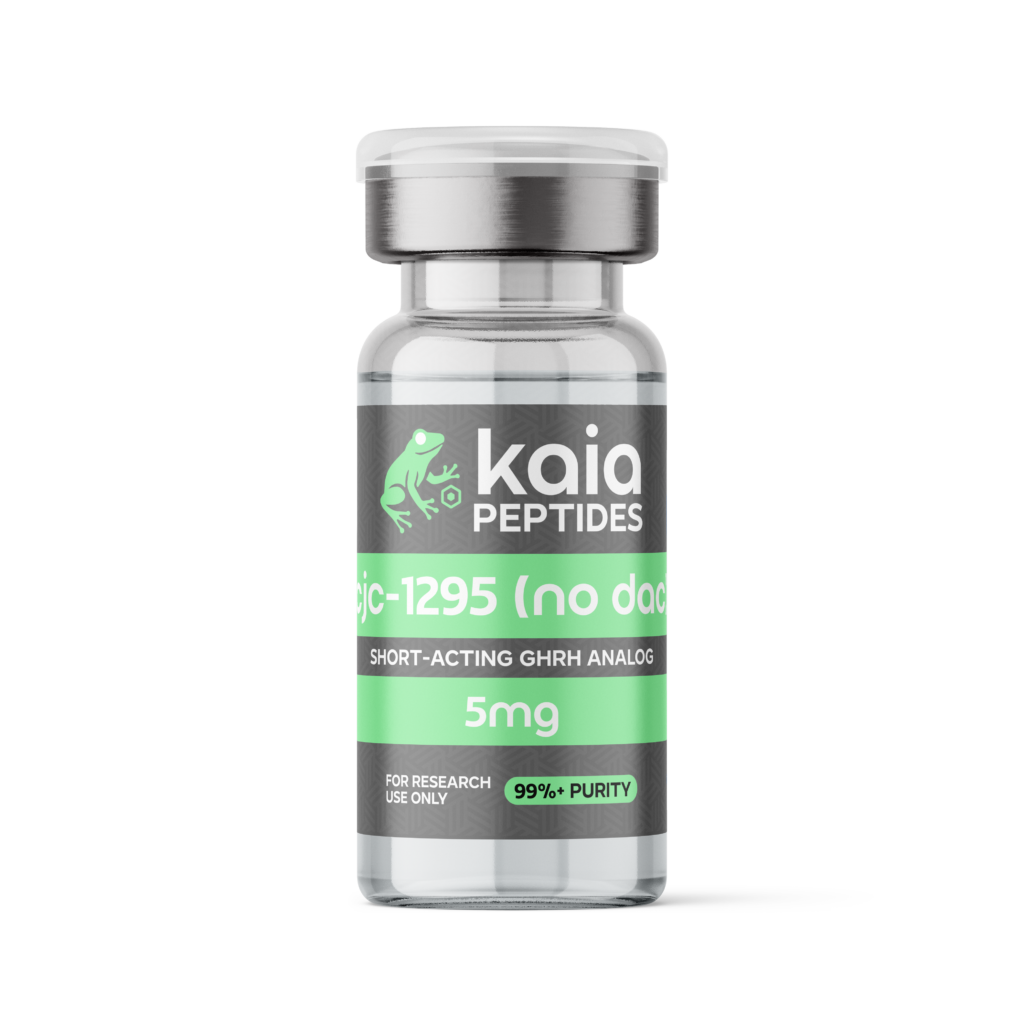
CJC-1295 (No DAC)

$ 85

Out of stock

Read more
OUT OF STOCK
OUT OF STOCK

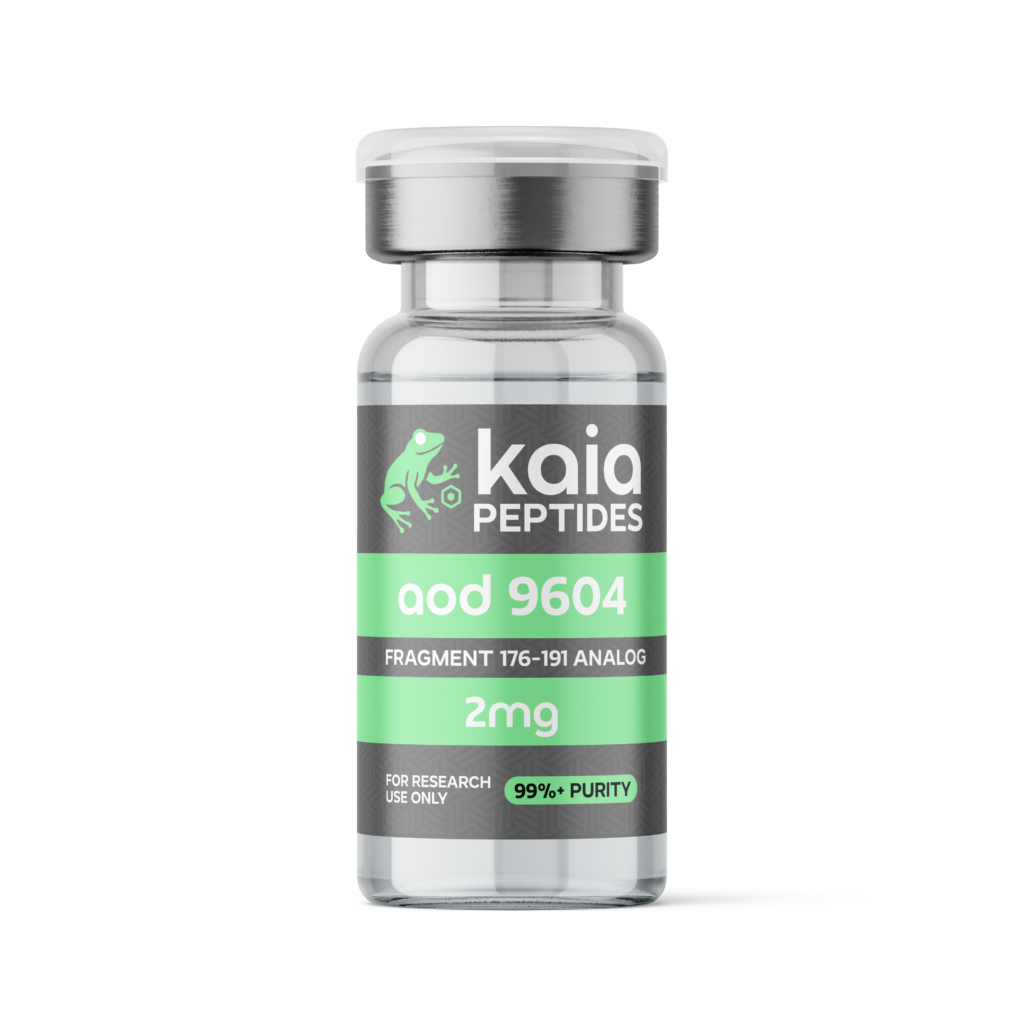
AOD 9604

$ 75

Out of stock

Read more
OUT OF STOCK
OUT OF STOCK

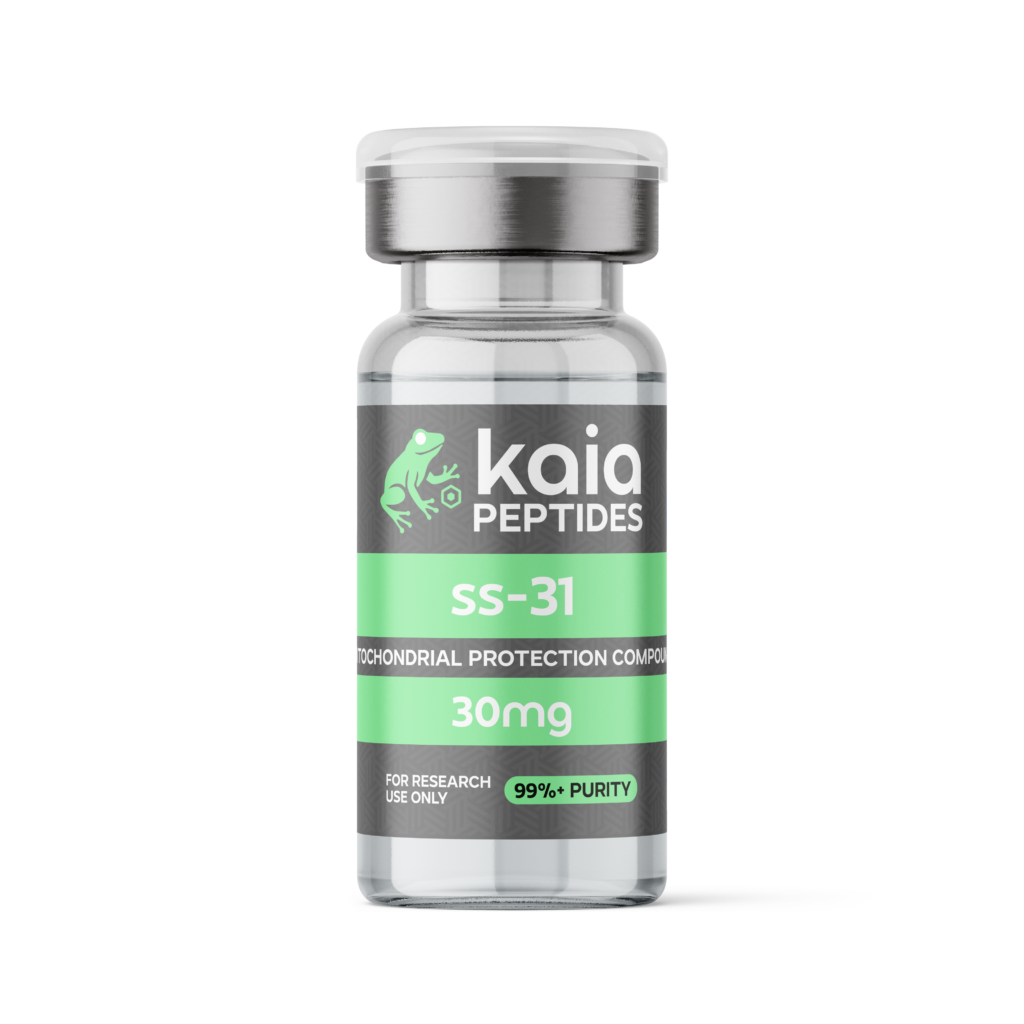
SS-31

$ 145

Out of stock

Read more

FAQs

Find answers to your most pressing questions about peptide categories and their usage.

 
What is Epitalone? +
Epitalone (also called Epitalon) is a synthetic tetrapeptide derived from the natural pineal peptide epithalamin. Researchers study it for its possible interactions with cellular aging mechanisms, particularly telomere-related pathways. Think of it as a “cellular timekeeper” being observed to understand how biological clocks behave.
Why is Epitalone associated with longevity research? +
Preclinical studies and early scientific literature explore Epitalone in the context of: ● telomerase activation ● oxidative stress ● circadian rhythm support Researchers assess it like studying how a watchmaker maintains delicate gears inside a clock
What does the research say about Epitalone and telomeres? +
Some animal and cell studies suggest Epitalone may influence telomerase enzyme activity, which helps maintain telomere length. In metaphor: telomeres are the plastic tips of shoelaces, and Epitalone is studied to see if it affects how those tips wear down over time. All findings refer to preclinical and in-vitro data
How does Epitalone differ from other peptides like Epithalamin? +
Epithalamin is a natural extract from the pineal gland. Epitalone is its precise synthetic analog, allowing researchers to study a pure, defined sequence without biological variability. It’s the difference between studying a whole orchestra vs. one exact instrument.
What biological systems does Epitalone interact with in research? +
Studies examine Epitalone in relation to: ● DNA repair pathways ● circadian rhythm regulation ● melatonin secretion ● telomere dynamics Researchers treat it as a “multi-switch panel” touching several cellular systems
Why is Epitalone often mentioned in aging research papers? +
Because many aging-related processes (oxidative stress, telomere shortening, mitochondrial decline) overlap with pathways that Epitalone has been studied for. Scientifically, it’s like investigating a potential “maintenance signal” for cell stability.
Does Epitalone influence sleep or circadian rhythms? +
Some rodent studies show possible effects on melatonin production and circadian function. Think of it as researching how the body’s internal clock responds to a new timing cue — not making any claims for human benefit.
Is Epitalone studied for immune-related functions? +
Yes. Certain preclinical models explore relationships between Epitalone and immune markers, particularly thymus-related processes in aging animals. Scientists look at it like checking the wiring in an older electrical panel — assessing function, stability, and signal flow.
How is Epitalone different from peptides like BPC-157 or TB-500? +
● BPC and TB are researched mainly for tissue repair pathways. ● Epitalone is researched for cellular aging and regulatory pathways. One is about rebuilding structures (construction crew), the other is about maintaining theblueprint (architect).
What is known about the safety of Epitalone in research? +
Animal studies report a favorable profile, but Epitalone is: ● Not FDA-approved ● Not for human consumption ● For laboratory research only Kaia strictly follows research-use compliance.
How should Epitalone be stored for stability in a lab? +
Store it sealed, cool, and protected from light. Freezing is ideal for long-term stability. Epitalone behaves like a fragile manuscript — preserved best in cold, low-light environments
Is Epitalone legal to purchase for research purposes? +
Yes. Epitalone is legal for laboratory research, provided it is not sold or used for therapeutic, medical, or human purposes. Kaia offers it under strict research labeling and handling guidelines.