MOTS-C

$ 110

Quantity

Product Discription

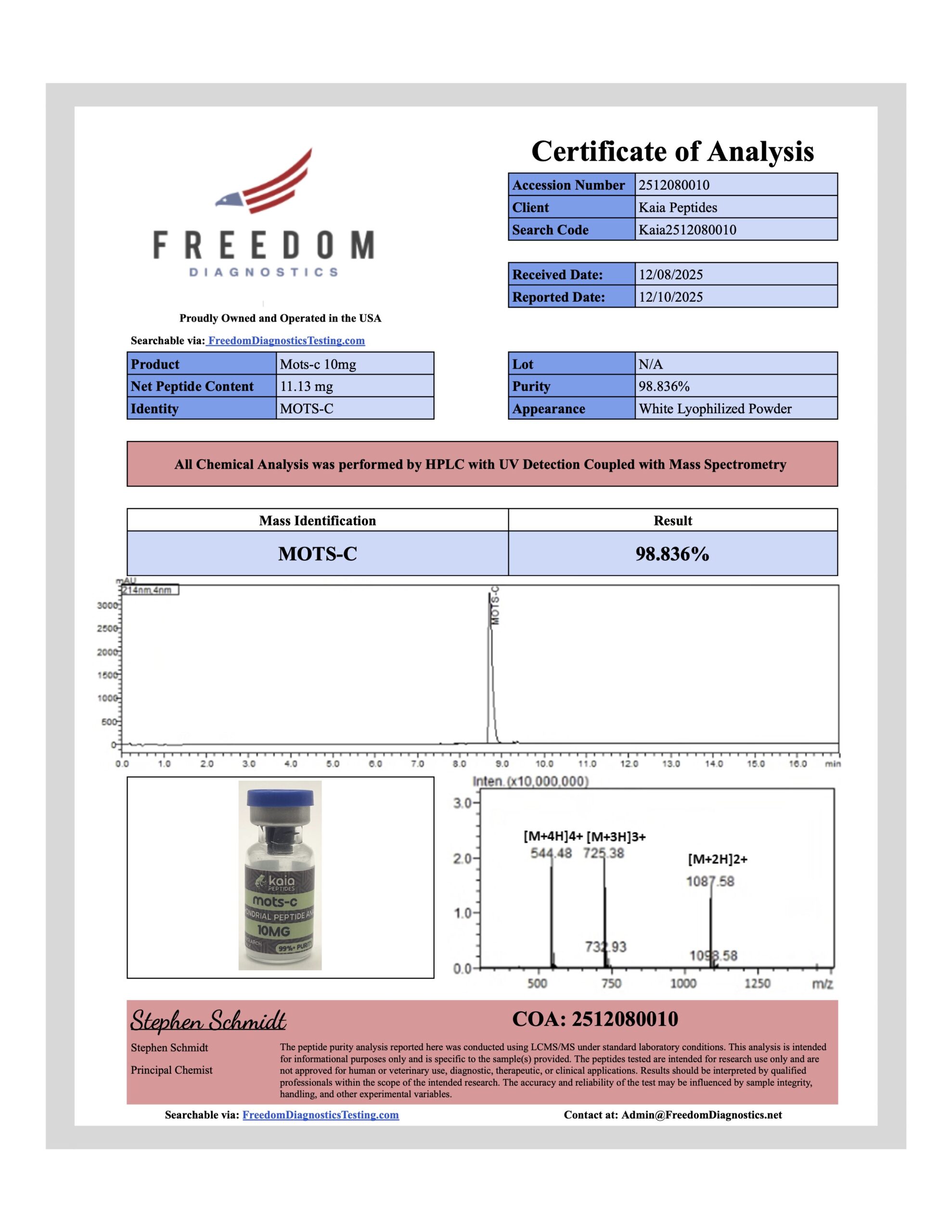
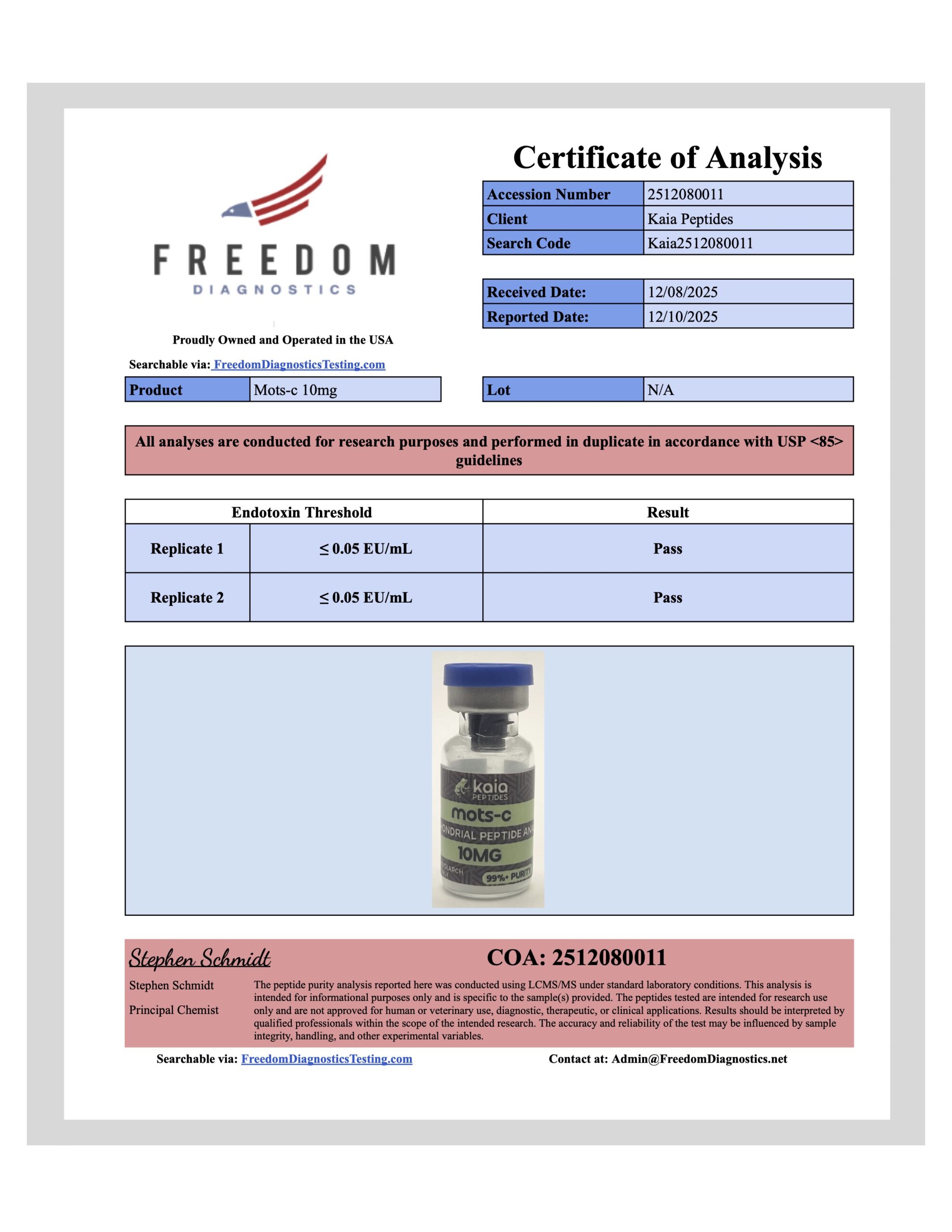
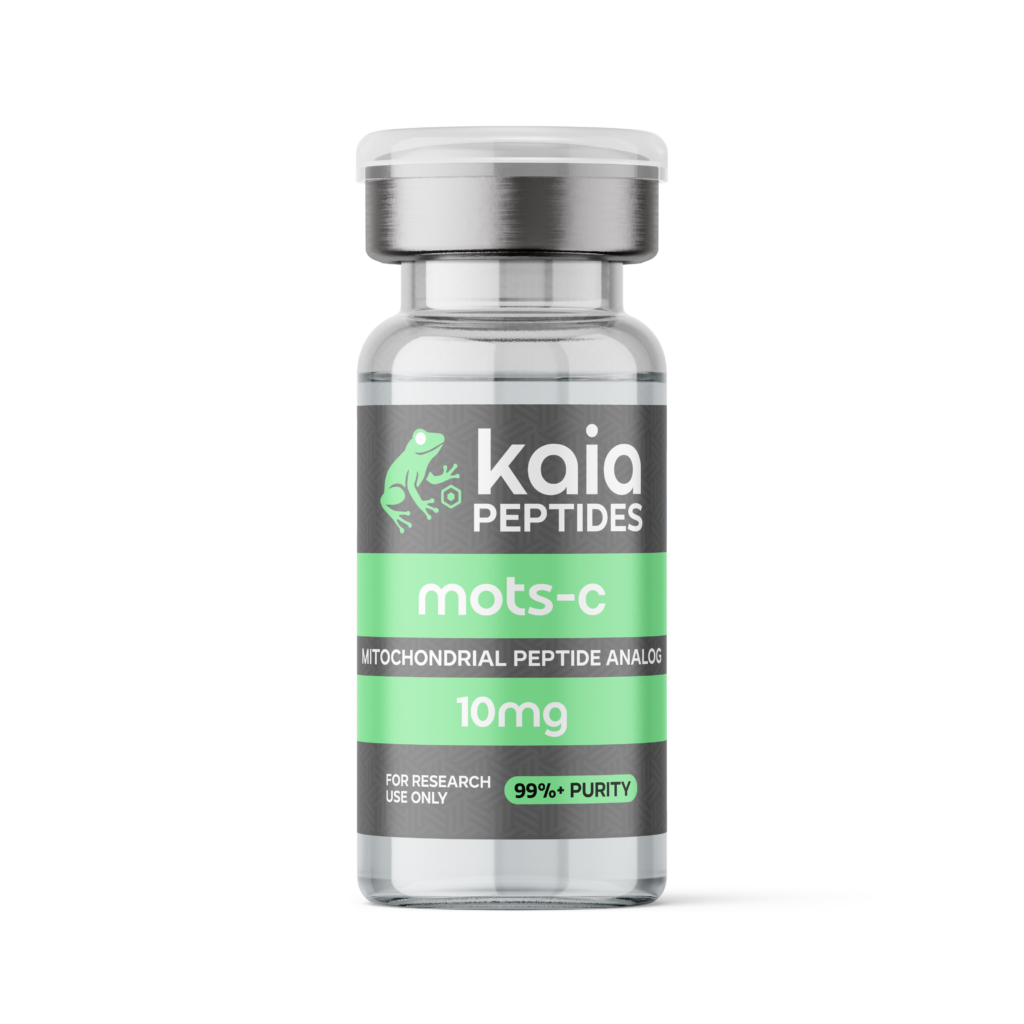
MOTS-C (10mg)

Mitochondrial-Derived Peptide – Energy, Metabolism & CellularPerformance

What It Is

MOTS-C is a naturally occurring peptide encoded within mitochondrial DNA. It helps regulate
metabolic balance, cellular energy production, and stress adaptation. Research shows MOTS-C
enhances the body’s ability to convert fuel into usable energy by activating AMPK — the master
switch for cellular metabolism.

Understanding MOTS-C — A Metaphorical Story
Imagine your body as a giant city.
Every cell is a house. Every house has a power plant in the basement — the mitochondria.That’s where the lights stay on, the heat works, and everything in the house runs smoothly.
But sometimes the city hits problems:
● The lights flicker during stress
● The power plants run low on fuel
● The workers get tired
● The streets get blocked with “metabolic traffic”
● Some houses can’t keep up

Now imagine a special emergency worker that lives inside the power plants — a tiny firefighter-engineer hybrid who only comes out when the city is struggling.

That worker is MOTS-C.

When things slow down, MOTS-C rushes out into the city and starts:

• Turning on backup generators (AMPK activation)
It flips the main switch that says:
“We’re low on energy — let’s start burning fuel efficiently and cleanly.”

• Clearing the streets (improving glucose use)
Traffic jams (inefficient fuel usage) disappear.

• Delivering fresh supplies (supporting metabolic flexibility)
Houses get the exact fuel they need so the lights stay bright.

• Motivating the workers (reducing fatigue & improving stress resilience)
The entire city feels more energized and coordinated.

• Strengthening the power plants (supporting mitochondrial function)
Repairs are made from the inside out — not just patchwork, but real upgrades.

The result:
The whole city runs smoother, cleaner, and with more energy — no matter the stress, weather,
or demands placed on it.
This is the simplest way to imagine how MOTS-C helps the body adapt, energize, and recover.

Primary Research Benefits
(Summarized from published scientific literature)
• Metabolic Health & Blood Sugar Support
● Helps regulate glucose utilization
● Shown to improve insulin sensitivity in research models
● Supports metabolic flexibility
● May aid healthy body composition in stress conditions

• Enhanced Cellular Energy
● Improves mitochondrial efficiency
● Supports ATP production
● May increase endurance, stamina, and exercise output

• Stress & Fatigue Resistance
● Boosts cellular resilience during metabolic stress
● Supports post-exercise recovery
● May reduce fatigue in oxidative stress models

• Longevity Pathway Activation
● Activates AMPK, a key longevity and metabolic enzyme
● Supports healthy aging processes
● Helps maintain cellular balance and homeostasis

Explore

Discover Our Range of Peptide Solutions

ELEVATE

$ 135

Add to cart

WOLVERINE

$ 125

Add to cart

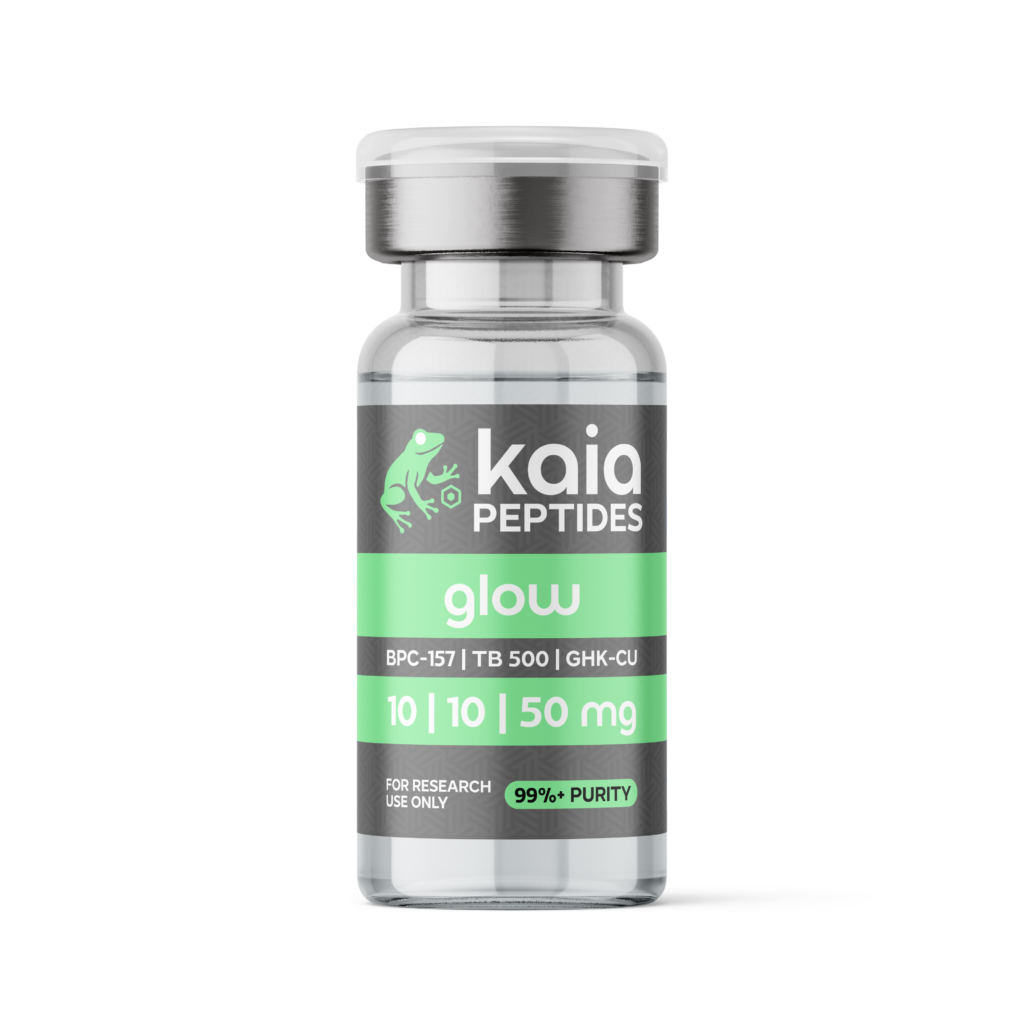
GLOW

$ 175

Add to cart

Tesamorelin

$ 155

Add to cart

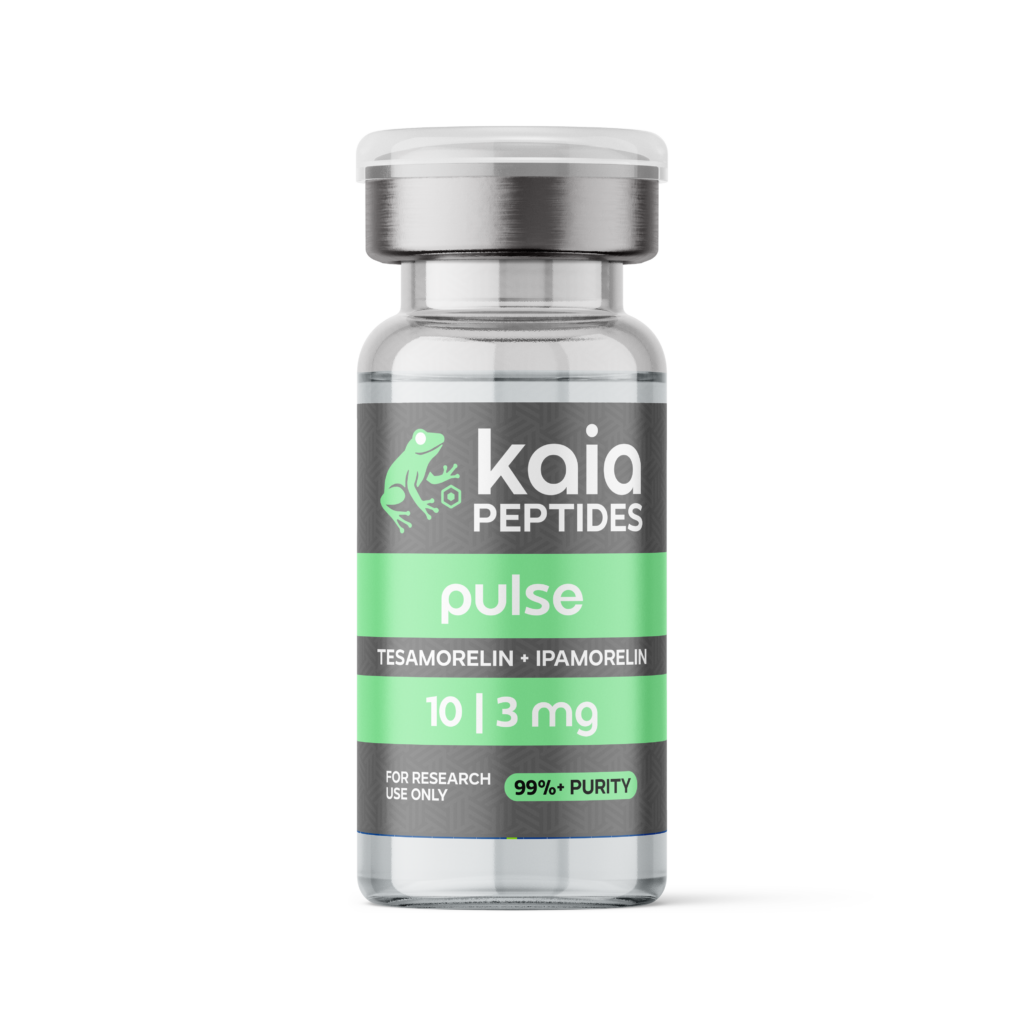
PULSE

$ 175

Add to cart

Sermorelin Acetate

$ 110

Add to cart

KPV

$ 100

Add to cart

Cagrilintide

$ 125

Select options This product has multiple variants. The options may be chosen on the product page

KLOW

$ 185

Add to cart

CJC-1295 (No DAC)

$ 100

Add to cart

AOD 9604

$ 105

Add to cart

SS-31

$ 250

Add to cart

Epitalone

$ 95

Add to cart

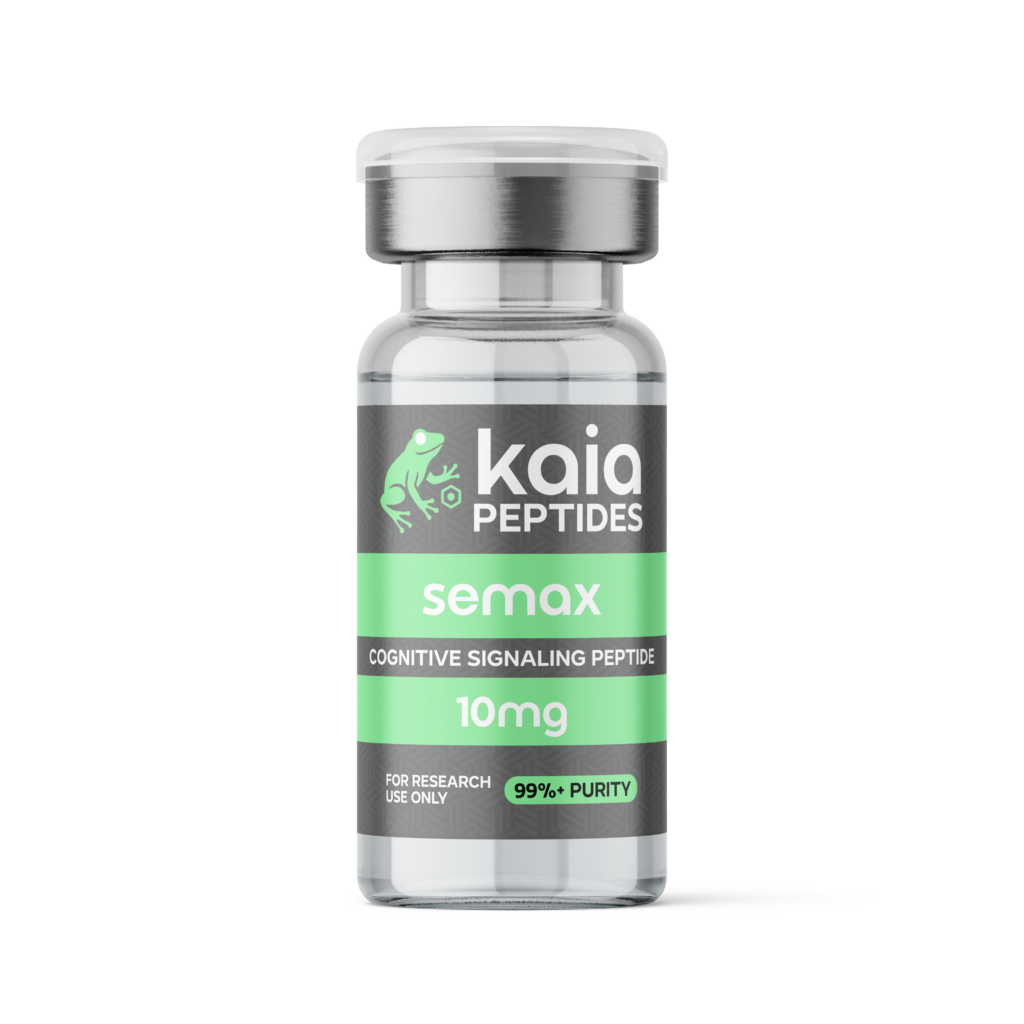
Semax

$ 175

Add to cart

Retatrutide

Price range: $ 200 through $ 700

Select options This product has multiple variants. The options may be chosen on the product page

NAD+

Price range: $ 100 through $ 200

Select options This product has multiple variants. The options may be chosen on the product page

FAQs

Find answers to your most pressing questions about peptide categories and their usage.

 
What is MOTS-C? +
MOTS-C is a 16-amino-acid peptide encoded in the mitochondrial genome—a rare feature compared to most peptides, which come from the nuclear genome. Researchers often describe it as a “mitochondrial messenger,” helping cells adapt to stress and regulate energy processes.
Why do scientists study MOTS-C? +
MOTS-C is studied because of its potential involvement in metabolic regulation, cellular energy production, and stress responses. Think of it like a biochemical coach that helps cells stay efficient when the game gets tough.
How does MOTS-C relate to mitochondria? +
Mitochondria are the cell’s power plants, and MOTS-C is one of the few peptides made from mitochondrial DNA, not nuclear DNA. Researchers see it as a “courier” that delivers instructions to help maintain energy balance.
. What does the research say about MOTS-C and metabolism? +
Animal studies suggest MOTS-C may activate pathways tied to AMPK, a major cellular energy sensor. If AMPK is the thermostat for energy usage, MOTS-C could be the message that tells the thermostat when to turn on. (All findings refer to preclinical research models.)
Why is MOTS-C associated with exercise performance in research? +
Some rodent studies show improved endurance and metabolic efficiency, leading researchers to study whether MOTS-C behaves like a “metabolic tune-up”— optimizing how cells produce and burn energy during physical stress.
Is MOTS-C being studied for longevity research? +
Yes. Since mitochondrial health is a major theme in aging science, MOTS-C is researched as a type of internal “maintenance signal” that may help cells respond to metabolic strain. No claims are made for human longevity.
Does MOTS-C influence weight-related pathways? +
Preclinical research links MOTS-C to pathways that regulate glucose and fat metabolism. The best analogy: MOTS-C acts like a traffic light system that helps route fuel to the right places at the right time.
How does MOTS-C differ from other metabolic peptides like GLP-1 analogs? +
GLP-1 analogs work through hormonal pathways. MOTS-C interacts with cellular energy sensors. It’s the difference between adjusting the ingredients (hormones) vs tuning the engine (mitochondria) in a car.
What makes MOTS-C unique compared to peptides like BPC-157 or TB-500? +
BPC and TB are often studied for structural and tissue-related pathways. MOTS-C is studied for metabolic and mitochondrial processes. It’s like comparing construction tools to power tools—they serve different purposes in the lab.
What do we know about MOTS-C safety in research environments? +
Animal studies show a favorable safety profile at typical research dosages, but MOTS-C is not FDA-approved and not for human consumption. Research use only
How should MOTS-C be stored for lab use? +
Like most peptides, MOTS-C should be kept in a cool, dry, stable environment. Many researchers prefer freezing for long-term storage. Think of it like storing a rare blueprint—you keep it preserved so the details stay intact.
Is MOTS-C legal to purchase for research? +
Yes. MOTS-C is legal for laboratory research when sourced from reputable suppliers. Kaia offers MOTS-C strictly under research-use-only compliance with no claims of human use