BPC-157

$ 125

Quantity

Product Discription

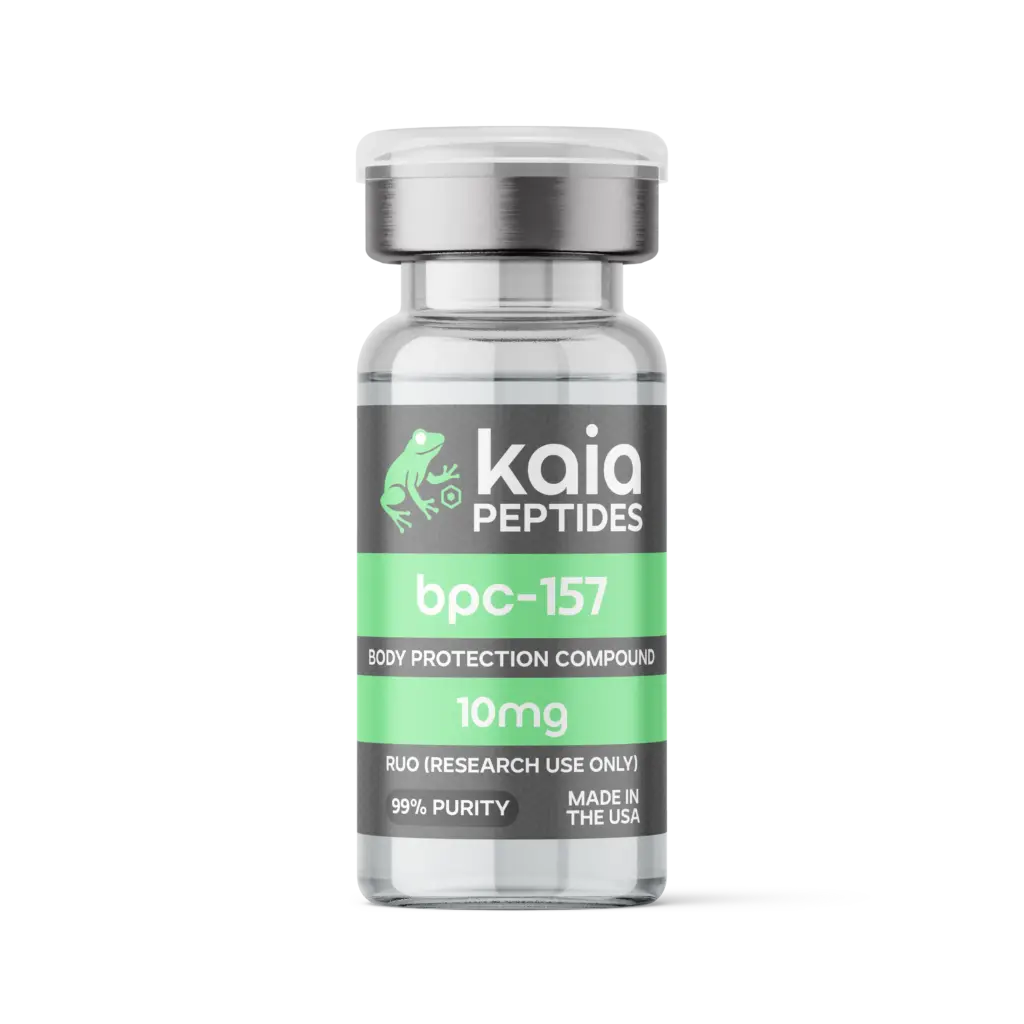
BPC-157 (10mg)

Body Protection Compound – Tissue Restoration & Cellular Repair

What It Is

BPC-157 is a naturally occurring peptide fragment derived from a protective protein found in the human stomach. It has been widely researched for its ability to support tissue regeneration, reduce inflammation, and accelerate recovery at the cellular level.


Understanding BPC-157 — A Metaphorical Story

Imagine your body as a massive construction zone — a city made of muscles, joints, nerves, and tissues.


Every day, wear and tear happens:

● Roads crack (tendon strain)
● Bridges weaken (ligaments)
● Buildings get damaged (muscles + soft tissue)
● Pipes leak (gut lining irritation)

Most construction crews take a long time to show up, work slowly, or only patch things temporarily. But there’s one special crew in the entire city.

A crew that doesn’t wait for permission.

A crew that shows up instantly when something breaks.

That crew is BPC-157.

Here’s what it does:

• Activates “Emergency Repair Mode”

The moment damage happens — a tear, strain, irritation, or inflammation — BPC-157 dispatches repair units to the exact location.

These units don’t wander or guess.

They go right where they’re needed.


• Rebuilds Everything Faster

This crew works fast:

● Filling cracks in the roads (tendons)
● Reinforcing bridges (ligaments)
● Rebuilding damaged structures (muscles)
● Restoring protective barriers (gut lining)
It doesn’t just patch the problem — it rebuilds it properly.

• Clears the Debris (reduces inflammation)

Like a cleanup crew after a storm, BPC-157 removes excess inflammation so new construction can happen cleanly and smoothly.

• Creates New Roads (angiogenesis)

If a part of the city needs more blood flow, BPC-157 builds new “roads” — new blood vessels — to deliver nutrients, oxygen, and repair materials.

• Boosts Communication Between Workers

It improves cellular “walkie-talkie signals,” helping all repair crews coordinate better and fix issues faster.

The result:

A city that heals faster, stays stronger, and recovers more efficiently — no matter how muchdaily wear and tear it goes through.

That’s the simplest way to visualize how BPC-157 supports recovery, gut health, inflammation balance, and tissue repair.

Explore

Discover Our Range of Peptide Solutions

ELEVATE

$ 135

Add to cart

WOLVERINE

$ 125

Add to cart

GLOW

$ 175

Add to cart

Tesamorelin

$ 155

Add to cart

PULSE

$ 175

Add to cart

Sermorelin Acetate

$ 110

Add to cart

KPV

$ 100

Add to cart

Cagrilintide

$ 125

Select options This product has multiple variants. The options may be chosen on the product page

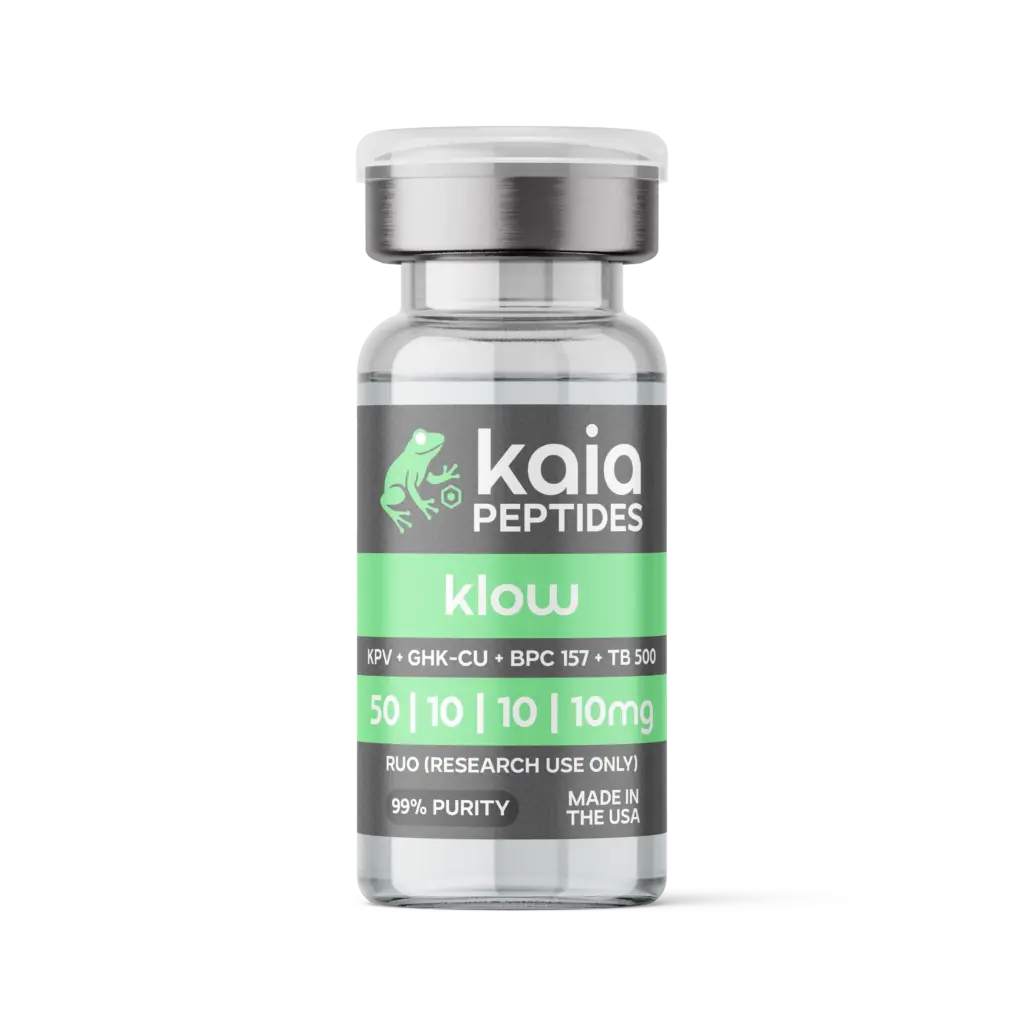
KLOW

$ 185

Add to cart

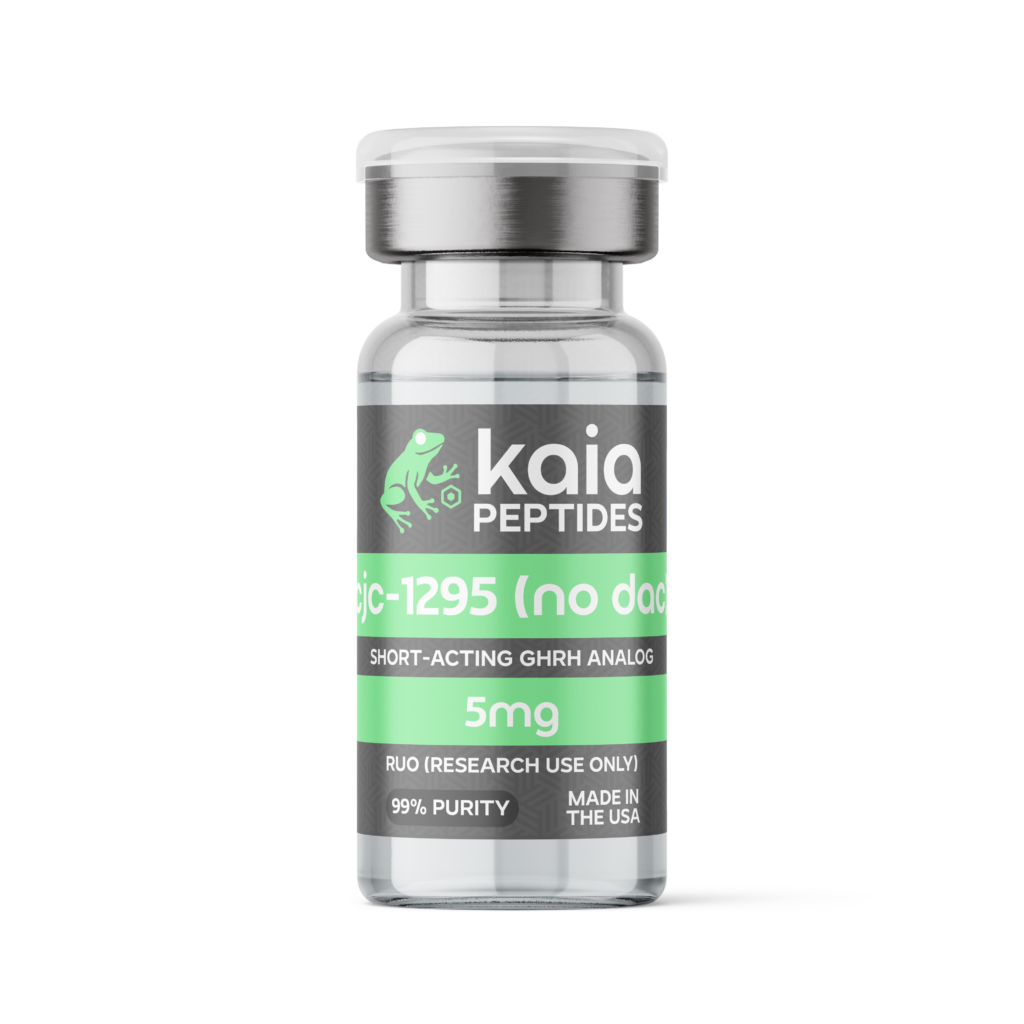
CJC-1295 (No DAC)

$ 100

Add to cart

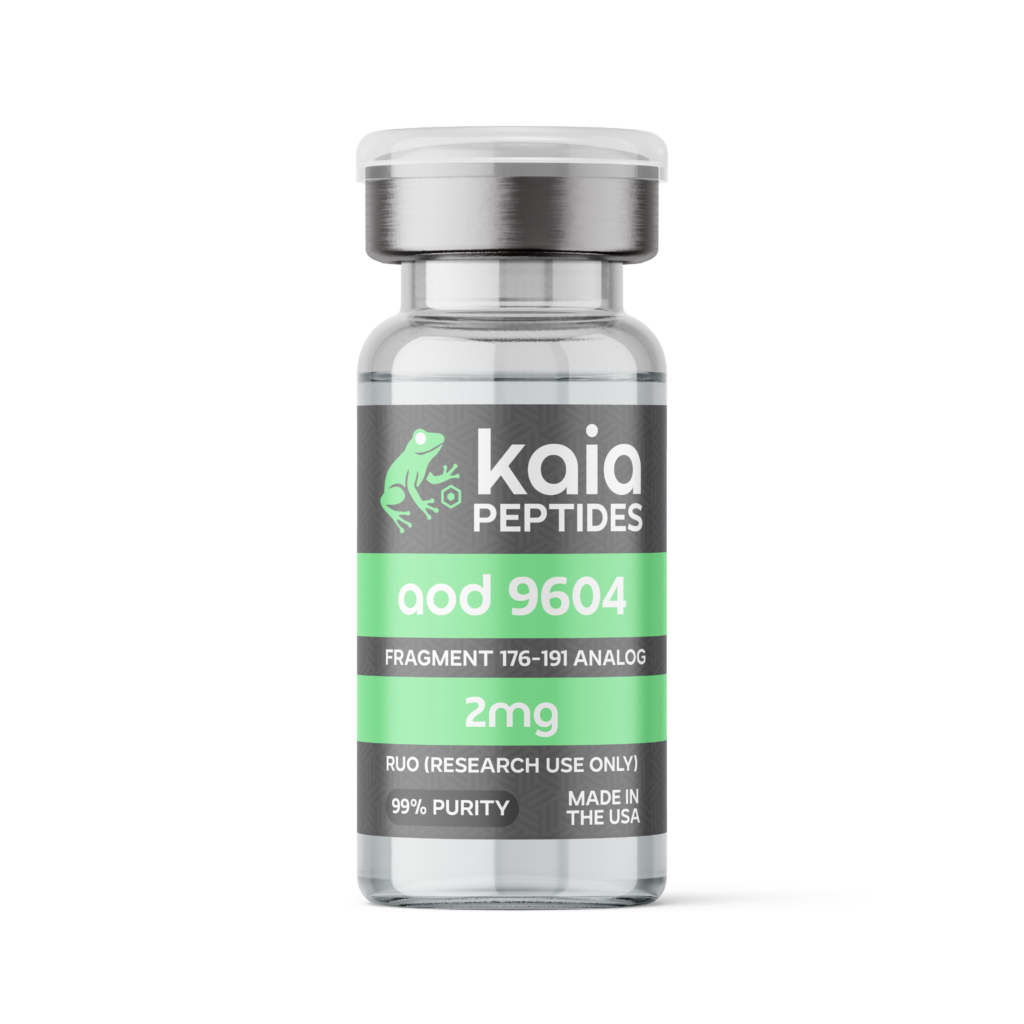
AOD 9604

$ 105

Add to cart

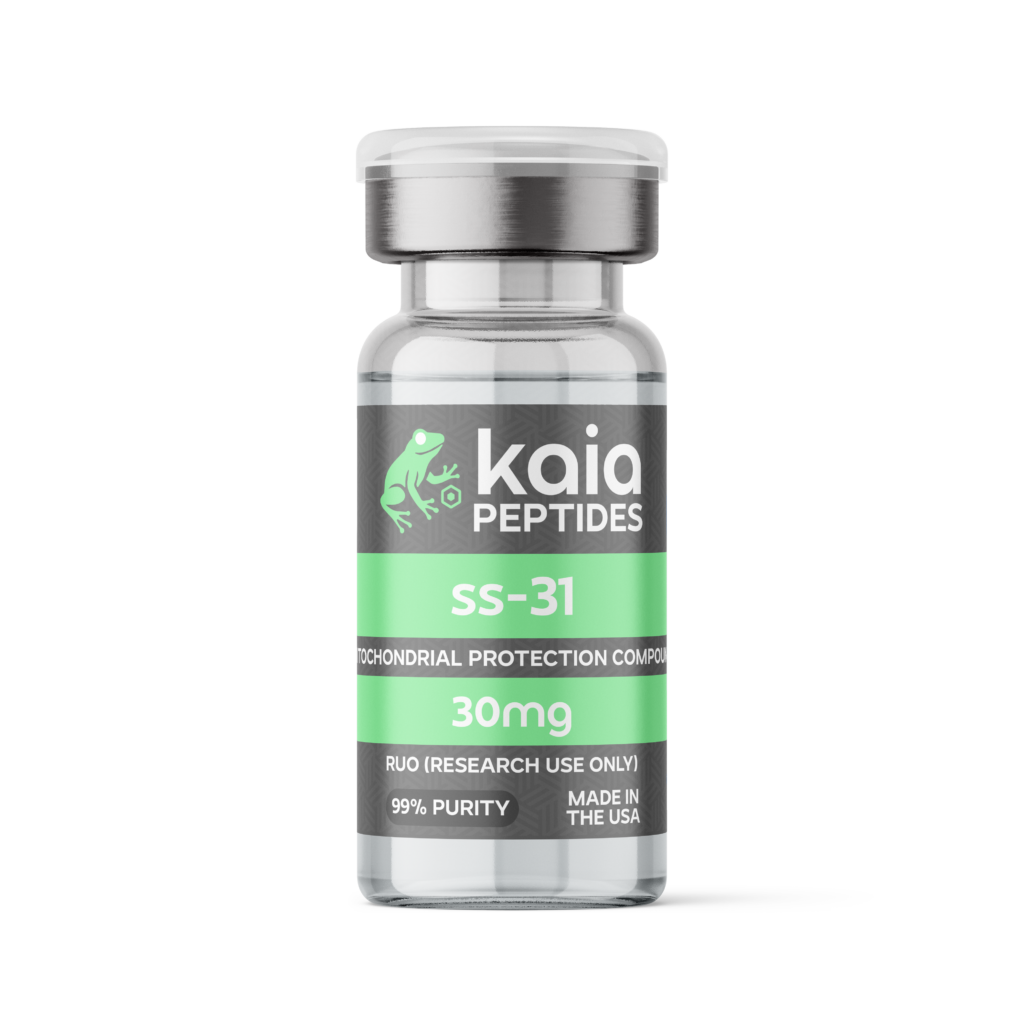
SS-31

$ 250

Add to cart

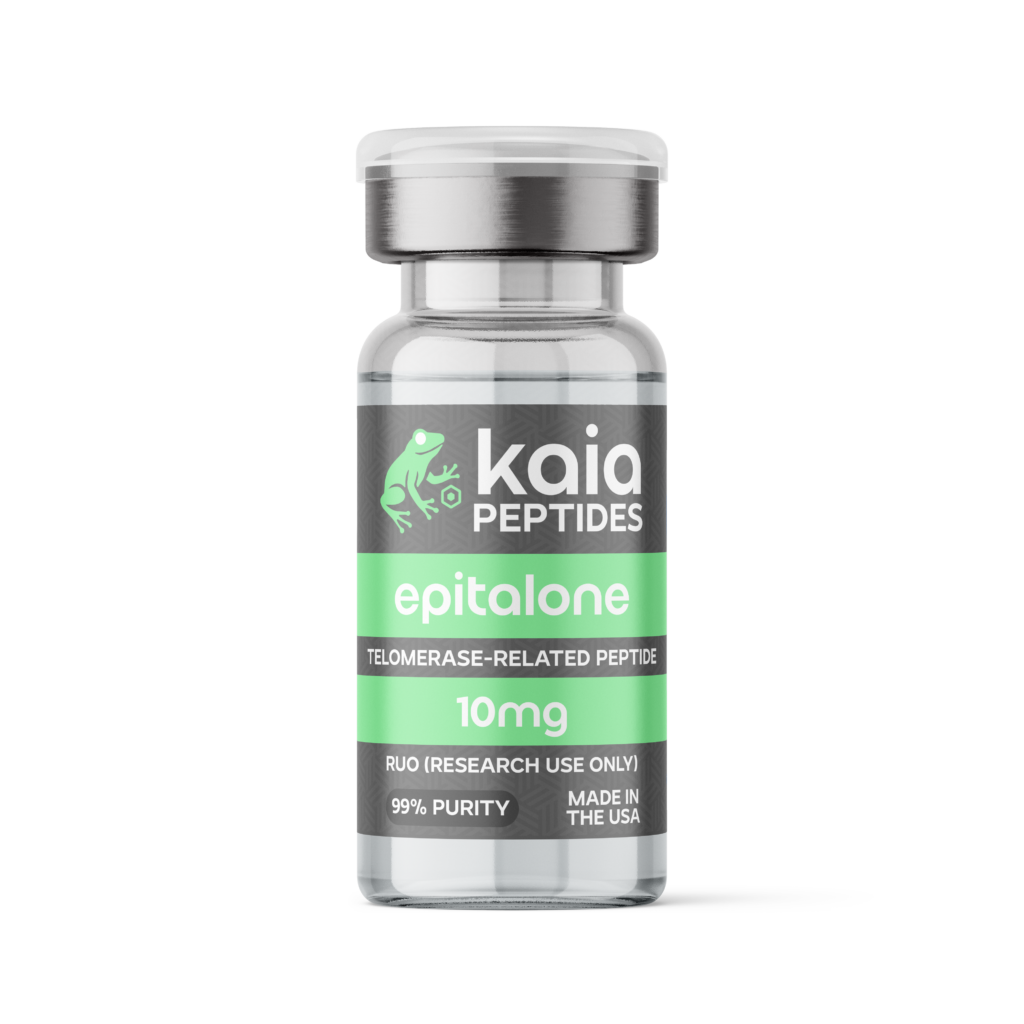
Epitalone

$ 95

Add to cart

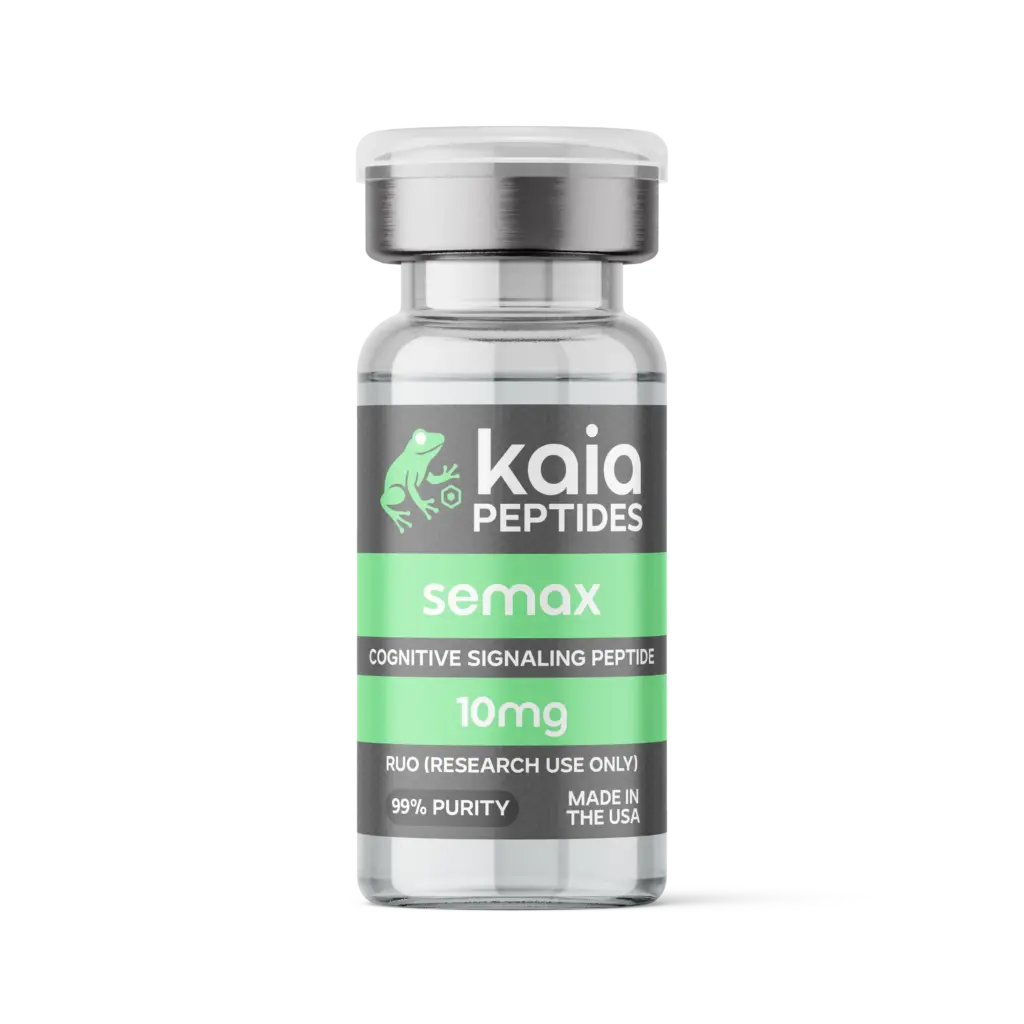
Semax

$ 175

Add to cart

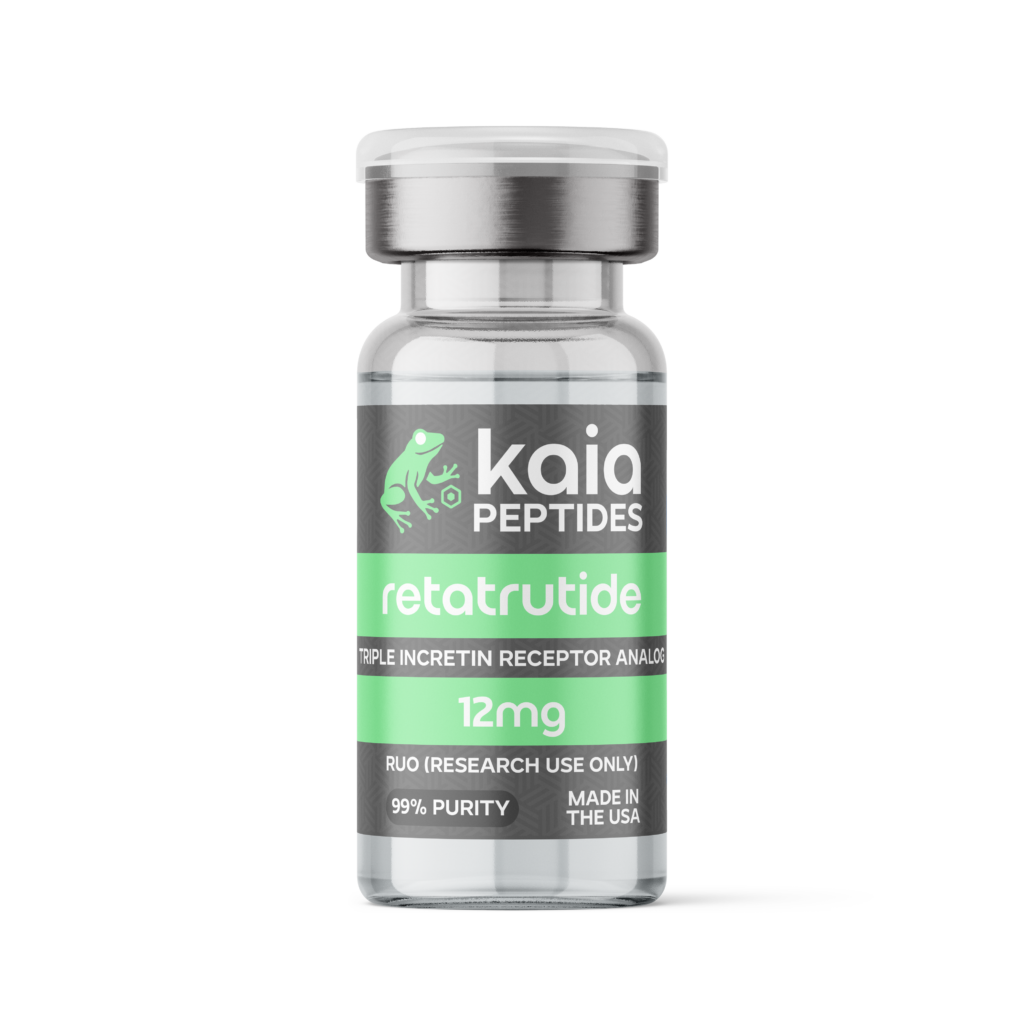
Retatrutide

Price range: $ 200 through $ 700

Select options This product has multiple variants. The options may be chosen on the product page

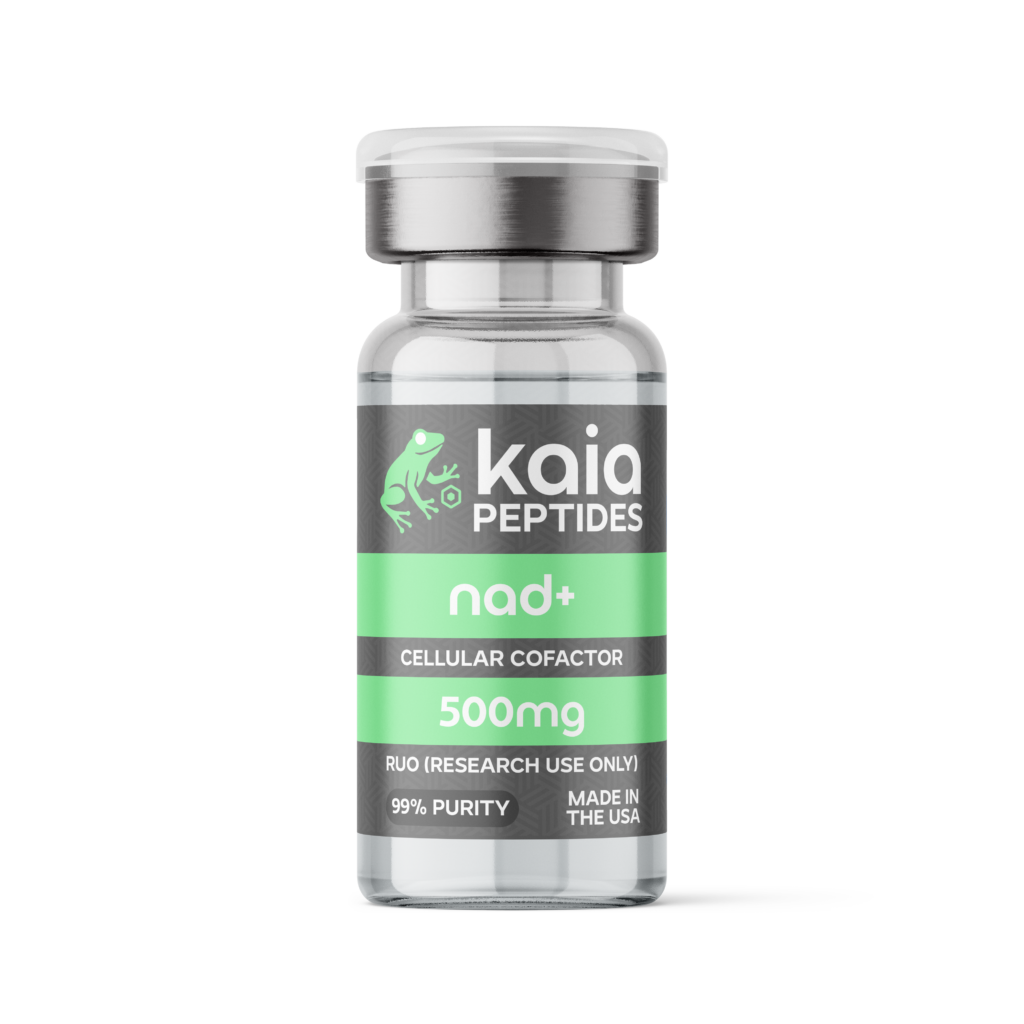
NAD+

Price range: $ 100 through $ 200

Select options This product has multiple variants. The options may be chosen on the product page

FAQs

Find answers to your most pressing questions about peptide categories and their usage.

 
What is BPC-157? +
BPC-157 is a synthetic fragment of a naturally occurring protein found in the stomach. In research environments, it’s often described as a “signal peptide” — like a construction foreman directing biological repair crews where to go.
Why is BPC-157 studied in scientific research? +
Researchers explore BPC-157 because animal and in-vitro studies suggest it may support cellular repair pathways, angiogenesis (new blood vessel formation), and tissue remodeling. Think of it as studying how a blueprint helps workers rebuild structures more efficiently.
Is BPC-157 the same as body protection compound? +
BPC-157 is a short peptide sequence derived from the larger protein known as Body Protection Compound. It’s like taking one powerful paragraph out of a long book and studying how that single paragraph influences the rest of the story.
What makes BPC-157 unique compared to other peptides? +
Many researchers describe BPC-157 as “system-wide” because studies often examine its effects on gut tissue, muscle, tendons, and the nervous system. This gives it a reputation similar to a universal repair toolkit rather than a single-purpose instrument.
What does the research say about BPC-157 and gut health? +
Preclinical studies show BPC-157 may help maintain the integrity of the GI lining and support natural protective pathways. Imagine a shield that helps keep the walls of a fortress stronger and more resilient during stress. (All statements refer to animal and in-vitro studies only.)
What does science say about BPC-157 and tissue repair? +
Rodent studies have explored its potential role in tendon, ligament, muscle, and skin recovery.Researchers often compare it to giving the body a more organized “repair manual” that helps coordinate biological restoration.
Does BPC-157 affect inflammation pathways? +
Some research suggests BPC-157 may interact with nitric oxide and other regulatory systems that influence inflammation. Think of it as tuning the volume knob — not shutting the music off, but helping it play at a balanced level.
Is BPC-157 considered safe in research? +
Studies in animal models show a favorable safety profile at typical research doses. However, BPC-157 is not FDA-approved, not intended for human consumption, and should only be handled in controlled research settings per Kaia’s policies.
What’s the difference between BPC-157 5mg and 10mg vials? +
The difference is simply concentration. A 10mg vial contains twice the amount of raw peptide, giving researchers more flexibility with solution strength and experiment design — similar to choosing between standard and concentrate formulations in a lab.
How should BPC-157 be stored for research purposes? +
Peptides are typically stored in cool, dry environments, and many researchers prefer refrigeration or freezing for long-term stability. Think of peptides like delicate flowers — the cooler you keep them, the longer they maintain structure. (Kaia recommends following standard laboratory peptide storage protocols.)
Why do people often combine BPC-157 with TB-500 in research? +
Scientific literature shows TB-500 and BPC-157 influence different biological pathways involved in tissue remodeling. Researchers pair them to observe whether their mechanisms complement one another — like studying how two tools from the same toolbox interact when used together.
Is BPC-157 legal to purchase for research? +
Yes — BPC-157 is legal when sold strictly for laboratory research, not for human or veterinary use. Kaia operates under this exact framework, offering peptides for controlled research environments only.